

The Meaning of Sign and Symbol in Poetry: Unlocking Language's Deeper Resonances
The essence of Poetry, as a profound Art form, lies in its masterful manipulation of Language. At its heart, this manipulation involves the careful deployment and interplay of Sign and Symbol. Far from being mere interchangeable terms, signs provide the concrete anchors of meaning, while symbols unlock vast, often ineffable realms of human experience and understanding. To truly appreciate poetry, one must embark on a philosophical journey to discern how these distinct linguistic tools construct the intricate tapestries of meaning that define poetic expression.
The Intricate Dance of Meaning: Signs, Symbols, and the Poetic Canvas
In the vast landscape of human communication, language serves as our primary vehicle for conveying thought, emotion, and information. Yet, within the structured confines of grammar and vocabulary, a more nuanced system of meaning operates, particularly evident in the elevated realm of poetry. Here, words are not merely labels but potent instruments, capable of both direct reference and profound evocation. This distinction is precisely where the philosophical inquiry into sign and symbol begins, offering a lens through which to appreciate poetry's unique power.
Drawing from the foundational insights often explored in the Great Books of the Western World, we understand that language itself is a system of signs. However, poetry elevates this system, transforming mere signs into symbols that resonate with multiple layers of significance. It is this transformation that allows poetry to transcend simple communication, becoming a vehicle for deeper truths and universal experiences.
Signs: The Anchors of Poetic Reality
A sign in poetry functions much as it does in everyday language: it points directly to a specific object, idea, or action. It is largely denotative, offering a clear, unambiguous reference. When a poet writes "the tree stood tall," the word "tree" is a sign referring to a woody perennial plant. When "the sun rose," "sun" denotes the celestial body. These signs establish the concrete reality of the poem, grounding it in a shared understanding of the world.
- Clarity and Foundation: Signs provide the poem's literal framework, ensuring that a basic level of comprehension is achieved. Without them, the poem would lose its connection to tangible experience.
- Direct Reference: They are the building blocks that allow the reader to visualize settings, identify characters, and follow narrative threads.
- Shared Understanding: The meaning of a sign is largely conventional and agreed upon within a linguistic community, facilitating common ground between poet and reader.
The philosophical significance of signs lies in their ability to establish a shared reality, a common starting point for communication. They are the initial spark of recognition, the foundation upon which more complex layers of meaning can be built.
Symbols: The Wellsprings of Evocative Depth
Where signs denote, symbols connote. A symbol takes on a meaning beyond its literal interpretation, acquiring a richness and depth that allows it to evoke multiple ideas, emotions, and associations. It is here that poetry truly flexes its muscles as an art form, transforming the ordinary into the extraordinary.
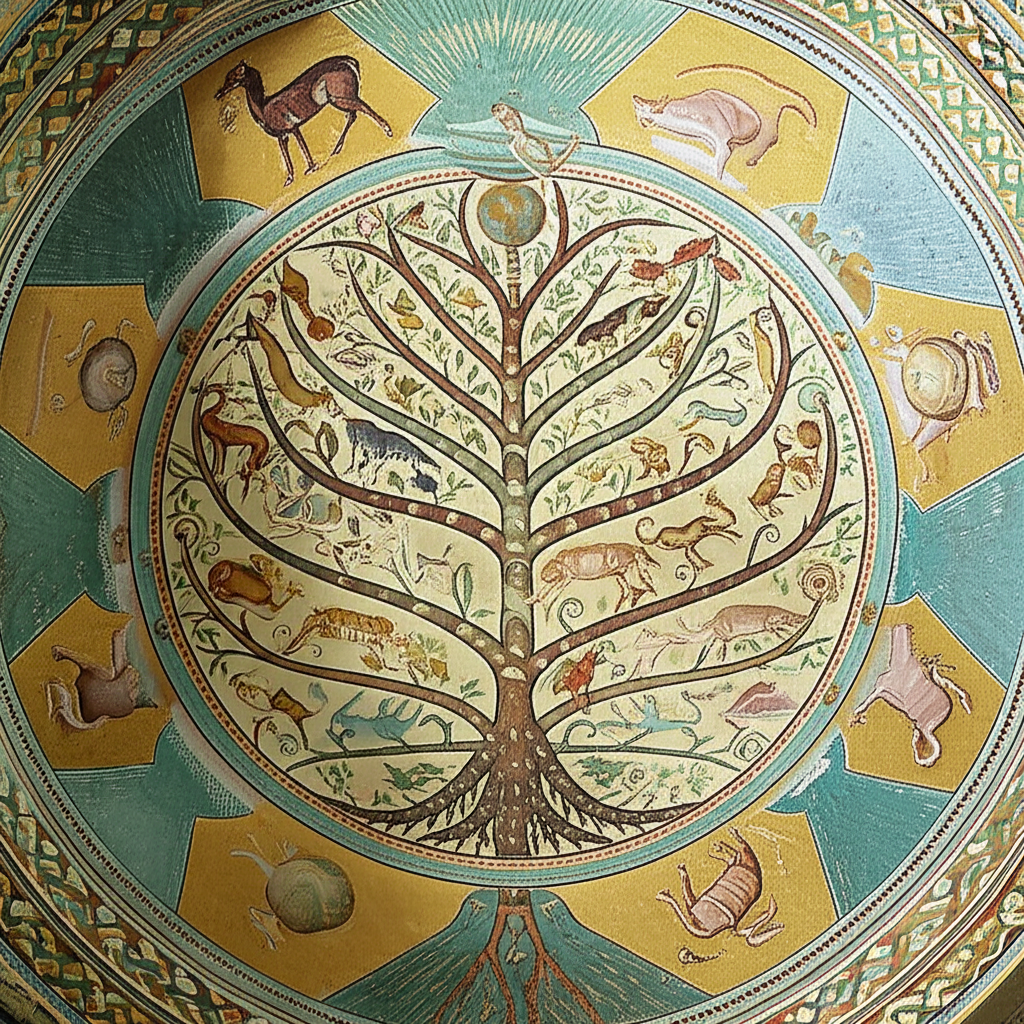
Consider the "tree" again. While it is a sign for a plant, in poetry, a "tree" might symbolize life, growth, rootedness, wisdom, or even death, depending on its context. The "sun" might symbolize hope, enlightenment, new beginnings, or the inexorable passage of time. The power of a symbol lies in its ability to be both specific and universal, concrete and abstract, simultaneously.
- Polysemy and Ambiguity: Symbols are inherently multi-faceted, inviting diverse interpretations and enriching the reader's engagement with the text. This ambiguity is not a flaw but a feature, fostering deeper thought.
- Emotional Resonance: Symbols tap into collective human experiences, archetypes, and subconscious associations, eliciting powerful emotional responses.
- Transcendence of the Literal: They allow a poem to communicate complex philosophical ideas, spiritual truths, or profound human feelings that might be difficult to express through direct, literal language alone.
- Artistic Depth: The judicious use of symbols elevates poetry from mere description to a profound exploration of existence, making it a truly transformative art.
The Symbiotic Relationship: Poetry, Art, and Language
The brilliance of poetry lies not in choosing between signs and symbols, but in orchestrating their intricate dance. A poet uses signs to build a recognizable world, and then imbues elements of that world with symbolic weight, transforming the literal into the metaphorical, the seen into the felt. This interplay is fundamental to poetry as an art form, allowing it to communicate on multiple levels simultaneously.
The philosophical implications are profound: poetry, through its handling of sign and symbol, demonstrates how language can both reflect and shape reality. It shows us that meaning is not always fixed but can be fluid, expansive, and deeply personal. It also highlights the active role of the reader in co-creating meaning, interpreting the symbolic resonances that the poet has carefully woven into the fabric of the poem.
| Feature | Sign (in Poetry) | Symbol (in Poetry) |
|---|---|---|
| Function | Denotes, refers directly | Connotes, evokes, suggests, represents |
| Meaning | Literal, singular, generally unambiguous | Figurative, multiple, often ambiguous |
| Impact | Establishes concrete reality, sets scene | Creates emotional resonance, deeper insight |
| Relationship | Direct, one-to-one correspondence | Indirect, one-to-many associations |
| Primary Goal | To inform, to specify | To evoke, to inspire, to deepen understanding |
| Example | "Rose" (the flower) | "Rose" (love, beauty, transience of life) |
The Reader's Journey: Unpacking Poetic Meaning
For the reader, engaging with sign and symbol in poetry is an act of interpretation, a philosophical exercise in itself. It requires not just understanding the literal language, but also opening oneself to the potential layers of meaning, the echoes and reverberations that symbols create. This active participation transforms reading from a passive reception of information into a dynamic dialogue with the art.
The Great Books of the Western World frequently explore the nature of interpretation, from hermeneutics to the Socratic method of questioning. In poetry, this translates to asking: What does this literal image also suggest? What universal human experience is being tapped into? How does this symbol contribute to the poem's overall philosophical or emotional argument?
Conclusion: The Enduring Power of Poetic Language
The distinction and interplay between sign and symbol are not merely academic curiosities; they are the very engine of poetry's power. They allow this unique art form to transcend the limitations of ordinary language, to speak to the deepest parts of our being, and to articulate truths that might otherwise remain unspoken. By understanding how poets wield these fundamental tools, we unlock a richer, more profound appreciation for the enduring magic of poetic expression – a magic that continues to illuminate the complexities of the human condition and the mysteries of existence itself.
YouTube Video Suggestions:
-
📹 Related Video: ARISTOTLE ON: The Nicomachean Ethics
Video by: The School of Life
💡 Want different videos? Search YouTube for: ""Semiotics explained: signs, symbols, and icons in literature""
2. ## 📹 Related Video: KANT ON: What is Enlightenment?
Video by: The School of Life
💡 Want different videos? Search YouTube for: ""Symbolism in Romantic Poetry: The deeper meanings""