

The Silent Language of Sleep: Decoding Signs and Symbols in Dreams
Dreams are not merely random firings of neurons; they are a profound, often enigmatic, language through which our inner world communicates. This article explores how our mind processes daily experience and deep-seated truths through the intricate interplay of sign and symbol in dreams, a process heavily influenced by our memory and imagination. Understanding this nocturnal lexicon offers a unique window into our subconscious, reflecting the philosophical inquiries into the nature of reality and self that have captivated thinkers for millennia.
Decoding the Dreamscape: Signs vs. Symbols
To truly grasp the meaning embedded in our dreams, we must first distinguish between a sign and a symbol. While often used interchangeably, their philosophical implications, especially in the context of dreams, differ significantly.
-
Signs in dreams often function as direct indicators or representations. They point to something specific, much like a road sign indicates a turn.
- Example: Dreaming of a fire alarm ringing might be a sign of waking anxiety about an impending deadline.
- They are generally more literal, their meaning tied closely to conscious experience.
-
Symbols, conversely, transcend the literal. They are richer, more layered, and open to broader interpretation. A symbol can represent an idea, an emotion, a complex concept, or even an archetypal force.
- Example: Dreaming of a flowing river might be a symbol for the passage of time, the flow of life, emotional currents, or spiritual journey, drawing from universal human experience and imagination.
- They tap into deeper subconscious layers, often connecting personal memory with universal patterns.
This distinction is crucial, as the mind employs both to construct the narratives of our sleep.
| Feature | Sign in Dreams | Symbol in Dreams |
|---|---|---|
| Function | Direct indicator, literal representation | Richer meaning, metaphorical, open to interpretation |
| Source | Often from recent waking experience, anxieties | Deeper subconscious, collective unconscious, memory |
| Complexity | Relatively straightforward | Multilayered, often paradoxical |
| Impact | Alerts, points to immediate concerns | Reveals deeper truths, personal growth, archetypes |
The Mind's Tapestry: Weaving Memory and Imagination
Our dreams are not spun from nothingness. They are intricately woven from the threads of our daily experience, filtered through the loom of our mind. This weaving process relies heavily on two fundamental faculties: memory and imagination.
- Memory provides the raw material. Every interaction, sensation, thought, and emotion from our waking life is stored, consciously or unconsciously. In dreams, these memories can resurface, sometimes directly, sometimes fragmented and rearranged, forming the backdrop or specific elements of our nocturnal narratives. A forgotten childhood toy might reappear as a sign of nostalgia or a symbol of lost innocence.
- Imagination is the creative force that synthesizes these memories into novel forms. It allows the mind to combine disparate elements, to transform the mundane into the mythical, and to craft scenarios that defy waking logic. It is through imagination that a simple fear becomes a monster, or a mundane object becomes a powerful symbol. This imaginative faculty allows the dream world to present truths that might be too complex or confronting for our conscious mind to process directly.
Together, memory and imagination construct a unique reality each night, where the boundaries of the possible are dissolved, allowing our deepest concerns and aspirations to manifest.
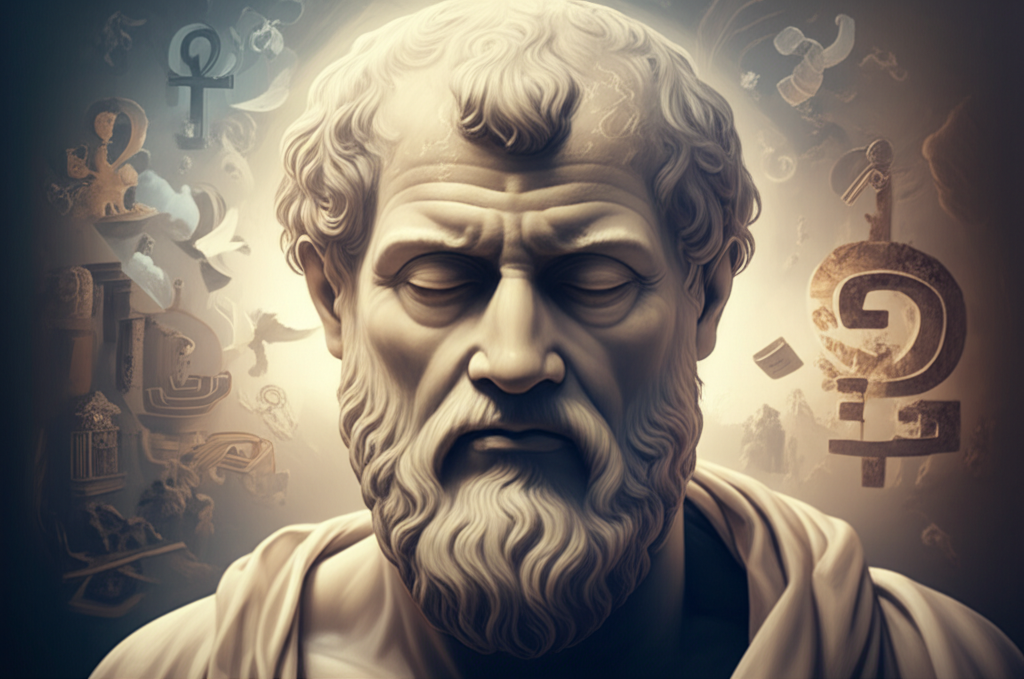
Experience as the Architect of Dreams
Ultimately, the content of our dreams is deeply rooted in our waking experience. From the mundane details of our day to the profound emotional and existential challenges we face, everything we encounter feeds into the dream-making process.
- Sensory Input: Residual sensory impressions from the day can manifest. The scent of a particular flower, the sound of a distant train, or the texture of a fabric might subtly influence dream imagery.
- Emotional Landscape: Our dominant emotions – joy, fear, anxiety, love – profoundly shape the tone and content of our dreams. Unresolved emotional conflicts often emerge as recurring symbols or unsettling signs.
- Intellectual Pursuits: The ideas, problems, and philosophical questions that occupy our waking mind can also find expression in dreams, sometimes offering unexpected insights or perspectives.
The dream world, therefore, is not an escape from reality, but rather a profound engagement with it, a continuous dialogue between our inner self and the external world as filtered through our unique experience.
Echoes of the Ancients: Dreams in Western Thought
The philosophical inquiry into dreams, and the meaning of sign and symbol within them, is as old as philosophy itself. The Great Books of the Western World offer rich insights into how ancient and classical thinkers grappled with this phenomenon.
- Plato, in works like the Republic, explored the nature of reality through allegories such as the Cave. For Plato, the world we perceive is often a shadow of a truer, ideal reality. Dreams, by extension, could be seen as further removed shadows, or perhaps, in moments of clarity, glimpses of higher truths, albeit veiled by the distortions of our lower desires. The symbols in a dream might be faint echoes of the Forms themselves, or merely reflections of our appetites.
- Aristotle, in his treatise On Dreams, took a more empirical and physiological approach. He posited that dreams are largely the result of residual sensory impressions from our waking hours, "the residue of the sense-impressions which have been made upon the organism during the day." He was skeptical of their prophetic power, viewing them more as signs of bodily states or past experience rather than divine messages. For Aristotle, the mind in sleep processes these impressions, and our imagination pieces them together, often imperfectly.
- Later thinkers, such as Augustine in his Confessions, grappled with the moral implications of dreams, questioning how involuntary thoughts and desires experienced in sleep relate to one's moral responsibility and the spiritual state of the mind. He pondered whether dreams were merely temptations or reflections of deeper, unacknowledged aspects of the self.
These foundational perspectives underscore the enduring philosophical fascination with dreams as a testament to the complex workings of the mind, and its unique way of processing experience through the universal language of sign and symbol.
The Unfolding Narrative of Self
Understanding the meaning of sign and symbol in dreams is not about finding a universal dream dictionary, but rather about cultivating a deeper relationship with our own subconscious. It is an invitation to listen to the silent language of sleep, to observe how our mind constructs meaning from memory and imagination, and to recognize the profound influence of our daily experience. By engaging with our dreams, we embark on a continuous philosophical journey of self-discovery, unraveling the unfolding narrative of who we are, one symbol, one sign, at a time.
📹 Related Video: PLATO ON: The Allegory of the Cave
Video by: The School of Life
💡 Want different videos? Search YouTube for: ""Plato's Theory of Forms explained" or "Aristotle On Dreams philosophy""