

The Matter-Form Distinction in Physical Objects: Unpacking Reality's Architecture
The distinction between matter and form offers a profound lens through which to understand the very fabric of physical existence. Originating most prominently in the works of Aristotle, particularly within his Physics and Metaphysics, this concept is not merely an ancient philosophical curio but a foundational framework for comprehending how objects are constituted, how they change, and what gives them their identity. At its core, it posits that every physical object is a composite of two fundamental principles: the raw material it's made of (matter) and the organizing structure or essence that makes it what it is (form). This distinction helps us navigate complex questions about reality, bridging the gap between the tangible stuff of the world and the intelligible patterns that define it.
Unveiling Aristotle's Hylomorphism: The Foundation
When we talk about matter and form, we are primarily delving into what Aristotle termed hylomorphism (from the Greek hyle for matter and morphe for form). This isn't just about what something looks like; it's about its fundamental constitution.
Matter (Hyle): The Principle of Potentiality
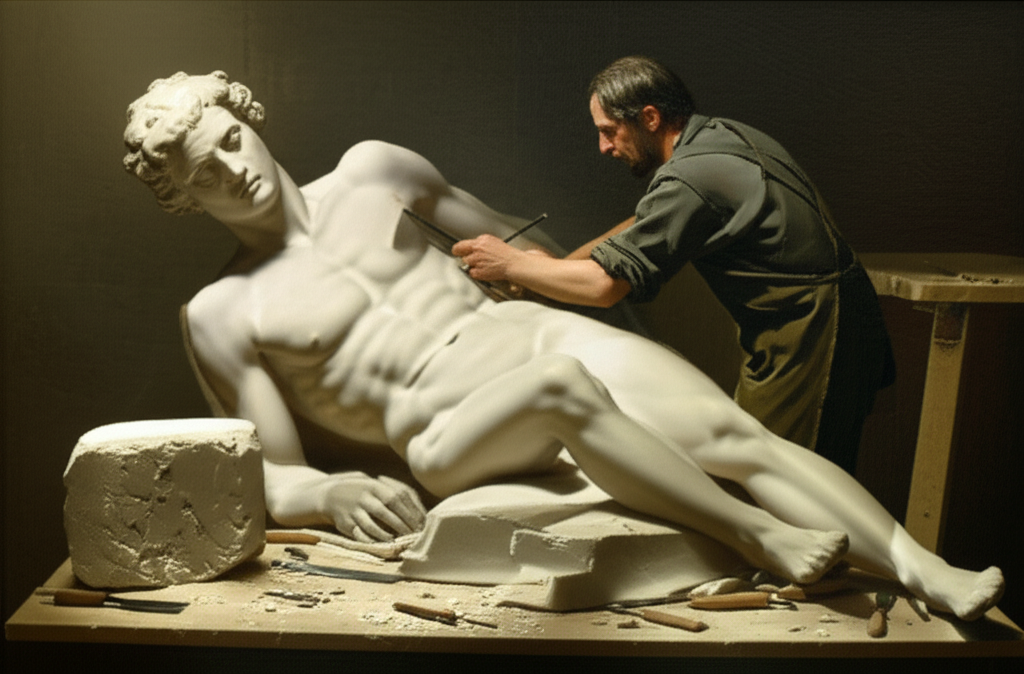
Matter is the indeterminate substratum, the "stuff" out of which something is made. It is inherently passive and possesses the potential to become many different things. In itself, matter lacks specific qualities or organization. Think of it as the bronze before it's a statue, the wood before it's a chair, or the undifferentiated prime material that underlies all physical phenomena. It's the "what-it's-made-of" without the "what-it-is."
Form (Morphe): The Principle of Actuality
Form, conversely, is the active principle that gives matter its specific nature, structure, and essence. It is what makes a thing what it is. Form is the organizing principle, the blueprint, the definition, and the actuality of a thing. It's the shape of the statue, the design of the chair, or the specific organization of elements that makes a living organism. Form actualizes the potential inherent in matter, giving it determinate existence and purpose.
Illustrative Examples: Bringing Philosophy to Life
To truly grasp this distinction, consider some everyday examples:
- A Bronze Statue:
- Matter: The bronze metal itself – a malleable material with the potential to be shaped into various forms.
- Form: The specific shape and design of the statue (e.g., a depiction of a horse, a hero, or an abstract figure). It's this form that makes it a statue rather than just a lump of bronze.
- A Wooden Chair:
- Matter: The wood (timber) – raw material capable of being cut, joined, and shaped.
- Form: The specific arrangement of the wood pieces, the design, and the function that makes it identifiable as a chair, distinct from a table or a mere pile of lumber.
- A Human Being:
- Matter: The flesh, bones, organs, and chemical elements that constitute the physical body.
- Form: The rational soul, the organizational principle that gives life, consciousness, and specific human capabilities to that matter. It's the form that makes it a living, thinking human, rather than just a collection of organic compounds.
The Dynamic Interplay: Change and Identity
The matter-form distinction is crucial for understanding change. For Aristotle, change is not the annihilation of one thing and the creation of another from nothing. Instead, it involves a substratum (the matter) that persists while losing one form and acquiring another.
Consider a piece of clay:
- It has the form of a lump of clay.
- A potter shapes it, and it loses the form of a lump, gaining the form of a pot.
- The matter (the clay) remains, but its form has changed.
This persistent matter allows for the continuity of physical objects through various transformations, while the change in form accounts for their qualitative alterations. Without this distinction, understanding how something can remain "the same" while undergoing significant modifications would be a much more perplexing philosophical puzzle. This is a profound insight into the Metaphysics of change itself, allowing us to reconcile permanence with flux in the natural world.
Matter, Form, and the Scientific Endeavor
While modern Physics doesn't explicitly use the terms "matter" and "form" in the same Aristotelian sense, the underlying philosophical impulse remains relevant. Scientists constantly seek to understand both:
- The fundamental constituents of reality (akin to matter in its most basic sense – particles, energy, fields).
- The laws, structures, and organizational principles that govern these constituents (akin to form – the patterns, symmetries, and interactions that define how things behave and what they become).
From the structure of an atom to the intricate organization of a galaxy, understanding the specific arrangement and interaction of components (form) is just as critical as knowing what those components are made of (matter). The distinction helps us appreciate that reality is not merely a collection of inert particles but an organized, structured cosmos. The ongoing quest in Physics to discover fundamental forces and particles, and then to understand how they combine to create the astonishing complexity of the universe, echoes this ancient philosophical insight.
Why This Distinction Matters
The matter-form distinction, as explored in the Great Books of the Western World, provides a powerful framework for:
- Understanding the Nature of Physical Objects: It moves beyond mere observation to a deeper conceptual analysis of what things are made of and what makes them what they are.
- Explaining Change and Persistence: It offers a coherent account of how things can change yet retain an underlying identity.
- Bridging the Concrete and the Abstract: It connects the tangible, material world with the intelligible, structural principles that define it.
- Foundational Metaphysics: It's a cornerstone for further philosophical inquiry into causality, potentiality, actuality, and the very essence of being.
In essence, the matter-form distinction invites us to look beyond the superficial appearance of things and to grasp the fundamental architectural principles that give rise to the rich and varied tapestry of the physical world. It reminds us that reality is a dynamic interplay between raw potential and actualized essence, a constant dance between what could be and what is.
📹 Related Video: ARISTOTLE ON: The Nicomachean Ethics
Video by: The School of Life
💡 Want different videos? Search YouTube for: "Aristotle Metaphysics Hylomorphism Explained"
📹 Related Video: What is Philosophy?
Video by: The School of Life
💡 Want different videos? Search YouTube for: "Matter and Form Philosophy"