

The Logic of Monarchy and Tyranny: A Descent into Despotism
Summary: The philosophical journey from monarchy to tyranny is not merely a historical accident but a logical progression rooted in the nature of concentrated power and human fallibility. While monarchy, in its ideal form, posits a single, virtuous ruler for the common good, its inherent lack of accountability and checks on power creates a fertile ground for self-interest to corrupt, transforming a legitimate government into a despotic tyranny. This article delves into the classical philosophical arguments that illuminate the perilous logic connecting these distinct, yet dangerously proximate, forms of rule.
The Ideal of Monarchy: A Foundation of Unity and Order
From the earliest philosophical inquiries into political organization, the concept of monarchy has held a powerful, often alluring, logic. In the annals of the Great Books of the Western World, thinkers frequently grappled with the question of the best form of government, and rule by one often emerged as a compelling answer.
- Unity and Decisiveness: A single ruler, unburdened by committee or faction, can act with speed and singular purpose. This appeals to the desire for stability and efficient decision-making, especially in times of crisis. Thomas Hobbes, in his Leviathan, articulates a powerful argument for an absolute sovereign as the only means to escape the "state of nature" and ensure civil peace, where the sovereign's will is law.
- The Philosopher-King: Plato, in his Republic, famously posited the ideal of the "philosopher-king" – a monarch whose rule is guided by wisdom, justice, and an understanding of the Good. This conception elevates monarchy from mere hereditary rule to a governance based on intellectual and moral superiority, suggesting a logic wherein the most capable individual leads for the benefit of all.
- Divine Right: Historically, many monarchies justified their rule through divine sanction, imbuing the sovereign with a sacred authority. This logic provided an undeniable foundation for legitimacy and stability, making challenges to the monarch's authority tantamount to challenging the divine order itself.
Yet, even in these idealized visions, the seeds of potential corruption are often implicitly, if not explicitly, present. The concentration of power, while offering unity, also presents an unparalleled opportunity for its abuse.
The Corrupting Logic: The Slide from Monarchy to Tyranny
The transition from a benevolent monarchy to a cruel tyranny is a central theme in classical political philosophy, understood not as an arbitrary shift, but as a logical consequence of unchecked power. Aristotle, in his Politics, meticulously categorized forms of government, distinguishing between their "correct" and "deviant" versions. He posited that monarchy, when corrupted, devolves into tyranny.
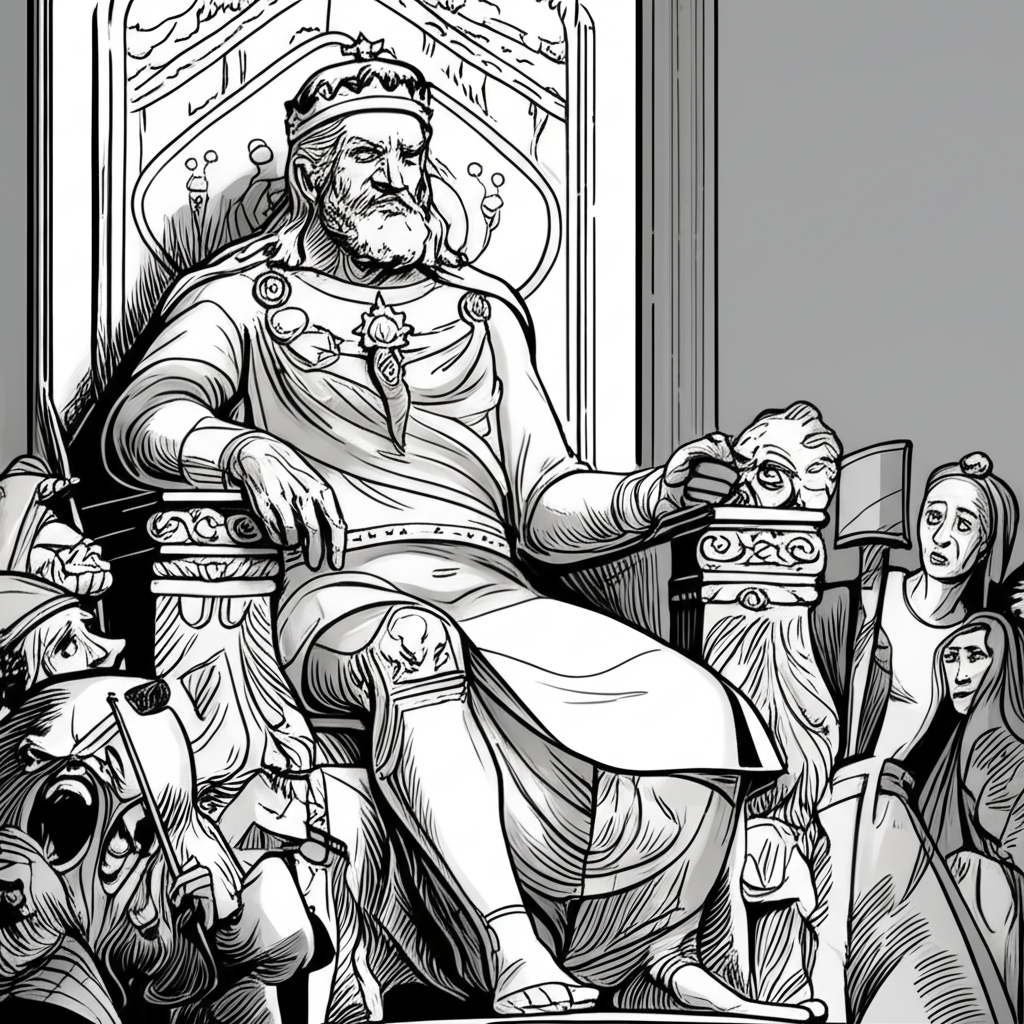
Key Distinctions in the Descent:
| Feature | Ideal Monarchy | Tyranny |
|---|---|---|
| Purpose | Rule for the common good; welfare of all subjects | Rule for the private interest of the ruler |
| Lawfulness | Governs by established laws and traditions | Governs by arbitrary will and decree |
| Legitimacy | Based on consent, tradition, or divine right | Maintained by fear, force, and suppression |
| Accountability | (Theoretically) accountable to God or moral law | Accountable to no one; absolute and arbitrary |
| Justice | Upholds justice and fairness | Dispenses arbitrary "justice" to maintain power |
The logic here is stark: when the ruler ceases to act as a guardian of the commonwealth and instead becomes a proprietor of the state, power shifts from a public trust to a private possession. Niccolò Machiavelli, in The Prince, provides a chillingly pragmatic exploration of how a ruler can acquire and maintain power, often advocating for actions that prioritize the ruler's security and dominance above all else. While not explicitly endorsing tyranny, Machiavelli's counsel on the necessity of fear, deception, and ruthlessness highlights the very mechanisms by which a monarch can become tyrannical, blurring the lines between effective governance and oppressive rule.
The Human Element: The Corruptibility of Power
At the heart of this philosophical inquiry lies the understanding of human nature itself. The logic of the descent from monarchy to tyranny is inextricably linked to the corrupting influence of absolute power. As Lord Acton famously observed (though writing much later than the Great Books era, his sentiment echoes earlier philosophical concerns), "Power tends to corrupt, and absolute power corrupts absolutely."
- Lack of Checks and Balances: Without institutional constraints, independent judiciaries, or a robust citizenry, a monarch faces no significant external force to curb their impulses. This absence of accountability is the primary logical pathway to tyranny.
- Self-Interest and Hubris: Even a well-intentioned monarch can succumb to the temptations of power – flattery, the isolation from reality, and the belief in one's own infallibility. This can lead to decisions that prioritize personal glory or security over the genuine welfare of the populace.
- Fear and Paranoia: A monarch who rules absolutely often becomes isolated and paranoid, perceiving threats everywhere. This fear can logically lead to increased repression, surveillance, and cruelty – the hallmarks of tyranny.
The government under such a ruler becomes a tool of oppression rather than a framework for collective flourishing. The initial logic of unity and order transforms into a logic of control and subjugation.
The Enduring Philosophical Question for Government
The distinction between monarchy and tyranny remains a foundational debate in political philosophy. It compels us to consider not just the structure of a government, but its ethical purpose and the mechanisms necessary to prevent the abuse of power. The Great Books of the Western World consistently return to this theme, exploring the delicate balance required to vest authority in individuals or institutions without sacrificing liberty and justice. The lessons gleaned from these texts serve as a perpetual warning: the path from concentrated power to despotism is always present, demanding constant vigilance and the establishment of robust safeguards against the corrupting logic of absolute rule.
**## 📹 Related Video: PLATO ON: The Allegory of the Cave
Video by: The School of Life
💡 Want different videos? Search YouTube for: ""Plato Aristotle Forms of Government" or "Hobbes Leviathan Summary""**