

The Interplay of Desire and Will in Choice
Navigating the Inner Landscape of Human Agency
We all experience the powerful, often conflicting, forces of desire and will within us. This article delves into how these fundamental aspects of the human mind shape our choices, exploring their intricate relationship through the lens of philosophical thought, particularly as illuminated by the Great Books of the Western World. From ancient Greek wisdom to early modern philosophy, we will examine how man grapples with his appetites and his capacity for rational determination, ultimately defining the very nature of human agency and the path of self-governance.
Unpacking the Core Concepts
To understand the dynamic interplay, we must first define its primary players: desire and will. These are not mere abstract concepts but lived experiences that constantly influence our decisions.
The Allure of Desire: What We Crave
Desire can be broadly understood as an inclination, an appetite, a longing, or a yearning towards something perceived as good or pleasurable. It is the spontaneous pull towards an object, an experience, or an outcome.
- Plato, in his Republic, famously illustrates desire through the imagery of the Chariot Allegory. The spirited horse (thymos) and the appetitive horse (epithymia) represent our passions and base desires, often pulling in different directions. These are the non-rational parts of the soul, driven by immediate gratification or emotional responses.
- Aristotle, in works like the Nicomachean Ethics, distinguishes between rational desires (wishes for the good, guided by reason) and irrational desires (appetites and passions). He recognizes that while desires are natural, their proper management is crucial for virtue.
- Thomas Aquinas, building on Aristotle, categorizes desires into concupiscible (seeking what is pleasant, avoiding what is painful) and irascible (responding to difficult goods or evils, like anger or hope). For Aquinas, these are movements of the sensitive appetite, which can be commanded by the rational will.
The Command of Will: What We Choose
Will, in contrast to desire, is typically conceived as the faculty of the mind by which we decide, choose, and act. It is the capacity for conscious, deliberate choice, the power to initiate or refrain from action.
- Saint Augustine, particularly in Confessions and On the Free Choice of the Will, places immense emphasis on the will's centrality. For Augustine, the will is the primary mover, capable of choosing good or evil, and its freedom is paramount, even in a fallen state. It is the will that directs our love and intention.
- Aquinas sees the will as a rational appetite. While intellect apprehends the good, it is the will that moves towards it. The will is not blindly free but is drawn by what the intellect presents as good, though it retains the power to choose among various goods or even to choose a lesser good over a greater one.
- John Locke, in An Essay Concerning Human Understanding, describes the will as the "power to begin or forbear, continue or end, any action of the mind, or motion of the body, by an idea or preference of the mind." Crucially, Locke highlights the "power to suspend the prosecution of any desire," suggesting a critical role for deliberation before action.
The Mind as the Arena: Where Decisions Are Forged
The complex interaction between desire and will unfolds within the individual mind. This internal landscape is where intentions are formed, temptations are battled, and character is forged.
- René Descartes, with his famous mind-body dualism, positioned the mind (or soul) as the seat of consciousness, thought, and volition, distinct from the material body with its sensory experiences and passions. For Descartes, the will is essentially infinite and the source of our errors when it assents to unclear ideas presented by the intellect or influenced by passions.
- The tension between what we feel like doing (desire) and what we choose to do (will) is a constant theme in human experience. It is within this internal theater that man exercises his freedom and responsibility.
The Dynamic Relationship: From Subjugation to Self-Mastery
The interplay between desire and will is not static but a dynamic dance, varying from overwhelming subjugation to enlightened self-mastery.
When Desire Dominates Will
This occurs when our appetites and passions override our rational judgment and our capacity for deliberate choice. This phenomenon is often termed akrasia or "weakness of will."
- Plato's spirited and appetitive horses, when unchecked by the charioteer of reason, can lead the soul astray, pursuing fleeting pleasures or irrational anger.
- Augustine deeply explored the struggle against concupiscence, where the will, weakened by sin, finds itself unable to resist sinful desires, even when it knows better.
When Will Guides Desire
This represents the ideal state of self-governance, where reason and will moderate, direct, and even transform desires towards a greater good.
- Aristotle's concept of virtue relies heavily on the will's capacity to habituate desires towards moderation and excellence. Practical wisdom (phronesis) guides the will in choosing the right means to the right ends.
- Aquinas emphasizes that while the sensitive appetites are natural, they should be ordered by reason and the rational will. The will, moved by the intellect's apprehension of universal good, can command the lower desires.
- Locke's "power to suspend" allows the man to pause, reflect, and deliberate before acting on an immediate desire, granting reason the space to intervene and guide the will towards a more considered choice.
Historical Perspectives on Desire and Will
The following table summarizes key contributions from the Great Books tradition regarding this interplay:
| Philosopher | Core Idea on Desire | Core Idea on Will | Relationship in Choice |
|---|---|---|---|
| Plato | Appetitive and Spirited parts of the soul; irrational urges. | Rational part of the soul (charioteer); capable of guidance. | Reason (will/intellect) should guide and control desires for harmony and virtue. |
| Saint Augustine | Concupiscence; a fallen nature prone to sin. | Free Will; the primary mover, capable of choosing good or evil. | The will, though free, often struggles against or succumbs to disordered desires, requiring divine grace. |
| Thomas Aquinas | Sensitive appetites (concupiscible, irascible); moved by perceived good/evil. | Rational appetite; follows the intellect's apprehension of the good. | Intellect presents the good, and the will freely chooses to move towards it, moderating lower desires through reason. |
| John Locke | "Uneasiness" or lack of pleasure; source of motivation. | The power to begin, continue, or suspend action; liberty. | The will has the crucial "power to suspend" the execution of desires, allowing for rational deliberation and informed choice. |
Implications for Human Choice and Moral Responsibility
The interplay of desire and will is not merely an academic exercise; it has profound implications for how we understand human choice, moral responsibility, and personal development.
- Moral Responsibility: If man possesses a free will capable of choosing against his immediate desires, then he is accountable for his actions. The quality of our choices reflects the degree to which our will is aligned with reason and virtue, or swayed by unexamined desires.
- Personal Growth: The journey of self-mastery involves cultivating a strong will that can direct, rather than be enslaved by, desires. This often requires discipline, reflection, and the development of virtues that harmonize our inner landscape.
- Freedom: True freedom is not merely the absence of external constraints, but the internal capacity for self-determination – the ability of the will to act in accordance with reason, even in the face of powerful desires.
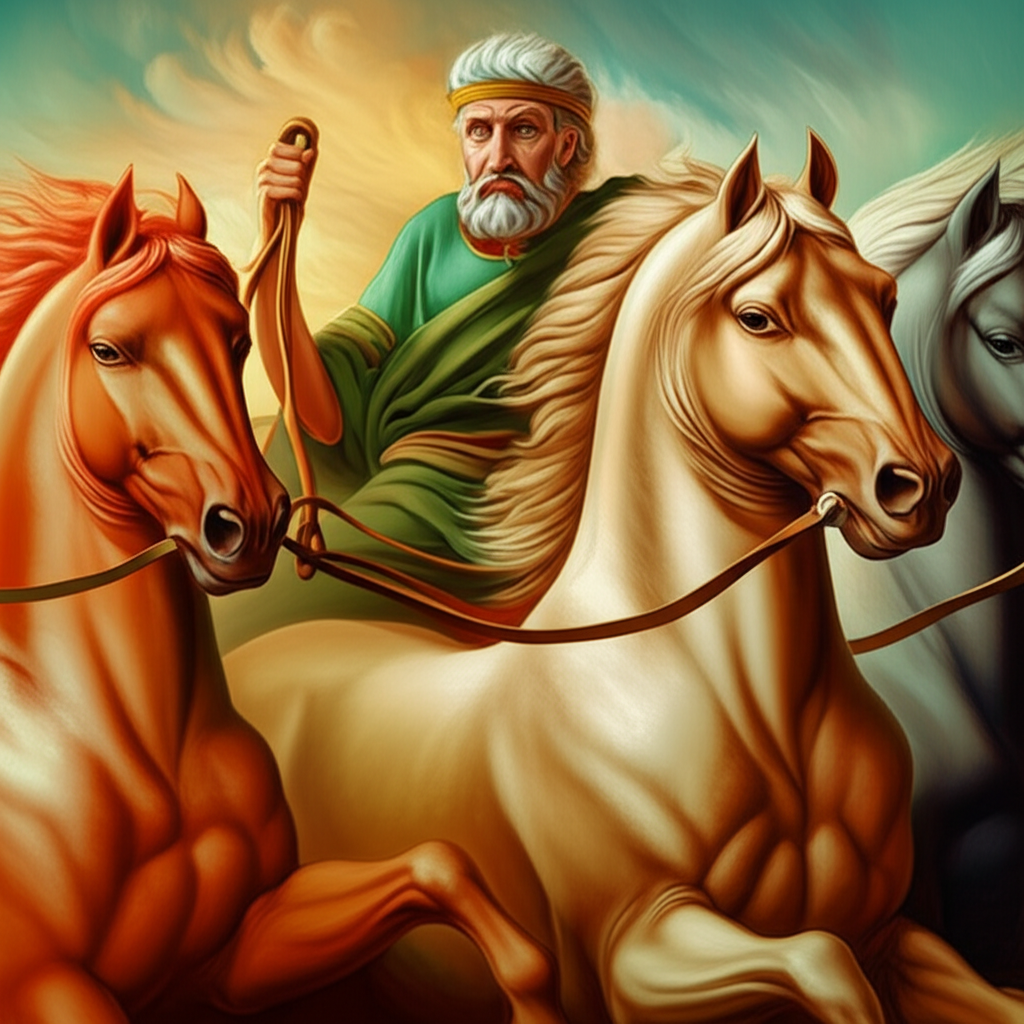 , the other spirited and courageous (Emotion). The charioteer gazes forward with determination, guiding the chariot along a winding path towards a distant, serene city under a clear sky, symbolizing the journey of the human mind towards virtue and self-mastery.)
Conclusion: The Enduring Challenge
The interplay of desire and will remains a central, enduring challenge for every man. It is a constant negotiation within the mind, a dynamic tension that shapes our character and defines our humanity. Understanding this intricate relationship, as illuminated by centuries of philosophical inquiry in the Great Books of the Western World, empowers us to engage more consciously with our choices, striving for a life where our will is not merely a slave to desire, but a guiding force towards a thoughtfully chosen good.
**## 📹 Related Video: PLATO ON: The Allegory of the Cave
Video by: The School of Life
💡 Want different videos? Search YouTube for: ""Plato's Chariot Allegory Explained - Philosophy Tube""**
**## 📹 Related Video: What is Philosophy?
Video by: The School of Life
💡 Want different videos? Search YouTube for: ""Augustine on Free Will and Evil - The Philosophy of Saint Augustine""**