

The Inner Tug-of-War: Unpacking the Interplay of Desire and Will in Choice
Summary: Human choice is rarely a simple act; it’s a complex dance between what we want and what we decide. This article delves into the philosophical distinction and dynamic relationship between desire – our often immediate, emotional impulses and attractions – and will – our faculty of rational decision and self-control. Drawing on insights from the Great Books of the Western World, we explore how the Mind mediates this fundamental tension, shaping the very essence of Man's moral agency and autonomy in navigating the myriad paths of life.
Introduction: The Labyrinth of Human Choice
From the simplest everyday decisions to life-altering moral dilemmas, the act of choosing is central to the human experience. Yet, beneath the surface of every choice lies a fascinating, often turbulent, interplay of internal forces. We frequently find ourselves pulled in different directions, sensing an immediate urge for one thing while knowing, rationally, that another path might be better. This internal friction is the fertile ground where philosophers, for millennia, have sought to understand the distinct yet interconnected roles of desire and will. How does our yearning for pleasure or comfort contend with our capacity for deliberate action? And what role does the Mind play in arbitrating these powerful internal forces that define us as Man?
Understanding Desire: The Pull of What We Want
Desire is, in many ways, the engine of human action. It encompasses our appetites, passions, cravings, and yearnings – the inclinations that draw us towards certain objects, experiences, or states of being. From the Great Books, we see desire characterized in various ways:
- Plato, in his Republic, famously divides the soul into three parts: the rational, the spirited, and the appetitive. The appetitive part, driven by basic needs and pleasures like hunger, thirst, and sexual urges, represents a primary form of desire. It’s often immediate, unreflective, and seeks gratification.
- Aristotle, in his Nicomachean Ethics, acknowledges the role of passions (pathē) and appetites (epithymiai) in human motivation. He understood that while these desires are natural, they require guidance from reason to lead to a virtuous life. Unchecked desire, for Aristotle, can lead to excess and vice.
- Augustine, in his Confessions, grapples profoundly with the nature of desire, particularly in the form of lust and the yearning for worldly pleasures versus the spiritual desire for God. He highlights how desires can be deeply rooted and incredibly powerful, often leading Man astray from what he knows to be good.
Desire, therefore, is not inherently good or bad; it is a fundamental aspect of our animated existence, a response to perceived goods or needs. It’s the initial pull, the feeling of "I want."
Understanding Will: The Power to Choose
If desire is the pull, will is the push – the faculty that allows Man to deliberate, decide, and act. It is distinct from mere impulse; it involves a conscious, often rational, determination. The concept of will has evolved significantly throughout philosophical history:
- Aristotle laid groundwork for understanding volition with his concept of prohairesis or "deliberate choice." For him, choice involves a rational consideration of means to an end, distinguishing it from spontaneous desire. It’s the part of the Mind that, having reasoned, then moves to act.
- Augustine is a pivotal figure in the development of the concept of free will. He emphasized the will's power to choose between good and evil, even against the dictates of reason or the pull of desire. The will, for Augustine, is the seat of moral responsibility, capable of assenting or dissenting.
- Thomas Aquinas, building on Aristotle and Augustine, saw the will as the rational appetite – a desire that follows upon understanding. For Aquinas, the intellect apprehends a good, and the will then moves towards it. The will is free in its choice of particular goods, even if it is naturally inclined towards the universal good.
- Immanuel Kant, in his Groundwork of the Metaphysics of Morals, elevates the good will to the highest moral principle. For Kant, a good will acts out of duty, in accordance with universal moral laws, rather than out of inclination or desire. It is the capacity for self-legislation and rational determination, an essential characteristic of a moral Man.
The will, then, is the active, deciding force. It’s the "I choose" that follows the "I want," often after a period of reflection and evaluation by the Mind.
The Dynamic Interplay: Where Desire Meets Will
The relationship between desire and will is rarely simple coexistence; it's a dynamic and often conflictual interplay that defines much of human internal life.
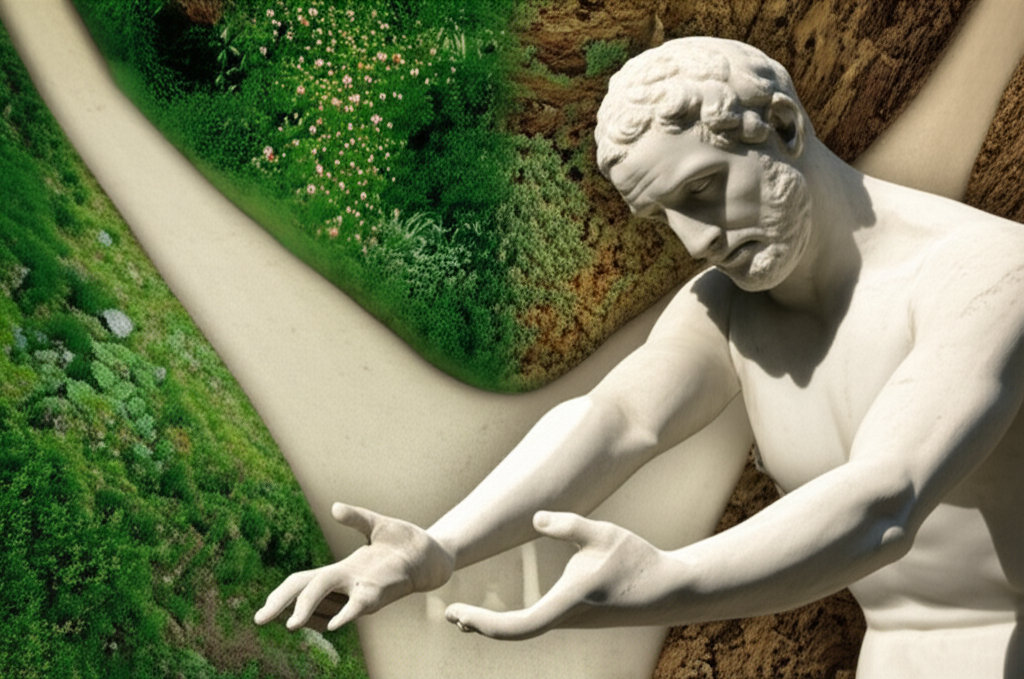
Consider the following scenarios:
| Scenario | Role of Desire | Role of Will | Outcome/Implication |
|---|---|---|---|
| Resisting Temptation | Strong urge for immediate gratification (e.g., unhealthy food). | Deliberate choice to abstain based on long-term health goals. | Will overrides desire; demonstrates self-control. |
| Pursuing a Difficult Goal | Initial yearning for success, recognition, or knowledge. | Sustained effort, perseverance despite challenges and discomfort. | Will directs and sustains action beyond fleeting desire. |
| Akrasia (Weakness of Will) | Overpowering desire despite knowing a better course of action. | Failure to execute a known good choice; will succumbs to desire. | Highlights the fragility of will and the power of unbridled desire. |
| Virtuous Action | Desiring what is good and right (e.g., compassion, justice). | Choosing to act in accordance with these desires, even if difficult. | Will aligns with and enacts well-ordered desires, leading to flourishing. |
The Mind serves as the crucial battleground and arbiter in this interplay. It is the faculty of reason that evaluates desires, assesses their long-term consequences, and provides the rational basis for the will's decisions. A well-ordered Mind can guide desires towards noble ends and strengthen the will to pursue them. Conversely, a mind clouded by irrationality or unexamined impulses can leave the will vulnerable to the tyranny of fleeting desires.
Navigating the Inner Landscape: The Role of the Mind
The philosophical tradition consistently emphasizes the centrality of the Mind in harmonizing desire and will. For many thinkers, true freedom and self-mastery are not about eradicating desire, but about bringing it under the governance of reason and the will.
- Socrates and Plato believed that knowledge of the good would naturally lead to good action; the problem of akrasia (weakness of will) arose from ignorance rather than a failure of will against desire. The Mind's understanding of true good was paramount.
- Stoics advocated for the mastery of passions (desires and emotions) through reason. They believed that by understanding what is within our control (our judgments and choices) and what is not (external events), we could achieve inner tranquility and align our will with nature.
- Modern philosophers like Kant place immense emphasis on reason's ability to formulate moral laws, which the will then freely chooses to follow, often in direct opposition to natural inclinations or desires. The Mind provides the categorical imperative, and the will enacts it.
Ultimately, the goal is often not the suppression of all desires, but rather their intelligent ordering and direction by a strong, rationally informed will. This process allows Man to move beyond mere reactivity to truly deliberate and purposeful action, shaping his character and his world.
Conclusion: The Enduring Quest for Self-Governance
The interplay of desire and will is a foundational aspect of human existence, a constant negotiation within the inner life of every Man. From the ancient Greeks to the Enlightenment thinkers, the Great Books of the Western World illuminate this complex relationship, offering profound insights into our capacity for both self-indulgence and self-mastery. Understanding how our Mind mediates these forces is not merely an academic exercise; it is crucial for cultivating ethical character, making meaningful choices, and ultimately, for defining what it means to be a free and autonomous individual. The quest for self-governance, for aligning our wants with our deliberate choices, remains one of humanity's most enduring and vital philosophical challenges.
YouTube Video Suggestions:
-
📹 Related Video: PLATO ON: The Allegory of the Cave
Video by: The School of Life
💡 Want different videos? Search YouTube for: "Plato's Tripartite Soul Explained - Reason, Spirit, Appetite"
2. ## 📹 Related Video: ARISTOTLE ON: The Nicomachean Ethics
Video by: The School of Life
💡 Want different videos? Search YouTube for: "Kant's Ethics and the Good Will - Duty vs. Desire"