

The Eternal Tug-of-War: Desire, Will, and the Architecture of Choice
Our lives are a continuous tapestry woven from countless choices, each decision a thread guided by an intricate interplay of forces within us. At the heart of this human experience lies the fundamental tension and cooperation between desire and will. This article delves into how these two powerful faculties shape our actions, exploring their distinct natures, their dynamic relationship, and the pivotal role of the Mind in mediating the choices that define us as Man. From the immediate pull of instinct to the deliberate pursuit of virtue, understanding this interplay is crucial to comprehending the very essence of human agency and self-determination, drawing deeply from the philosophical insights of the Great Books of the Western World.
The Primal Urge: Unpacking Desire
Desire is the animating force that propels us forward, the longing for something perceived as good or pleasurable. It is often immediate, visceral, and rooted in our fundamental nature. Philosophers throughout history have grappled with its pervasive influence.
- Plato, in his Republic, famously categorized the soul into three parts: the rational, the spirited, and the appetitive. Desire, in its rawest form, resides in the appetitive part, seeking gratification for bodily needs and sensual pleasures. Think of the sudden hunger pangs or the yearning for comfort – these are desires speaking.
- Aristotle, in his Nicomachean Ethics, acknowledged passions (which include desires) as natural components of the soul. He understood that desires, while potentially leading to excess, are not inherently bad. They are, in fact, necessary to move us towards perceived goods. The challenge, he argued, lies in their proper orientation.
- Baruch Spinoza, in his Ethics, conceived of desire (cupiditas) as the very essence of Man insofar as this essence is conceived as determined to act in a particular way by any given modification of itself. For Spinoza, desire is a fundamental manifestation of the conatus, the inherent striving of every being to persevere in its own being.
Desire, then, is often characterized by its pull, its attractive power, drawing us towards objects or states of affairs that promise satisfaction or perceived benefit. It can be a powerful motivator, but left unchecked, it can also lead us astray, making us slaves to our impulses.
The Guiding Hand: The Nature of Will
In contrast to the often-spontaneous nature of desire, will represents our capacity for deliberate choice, self-control, and rational decision-making. It is the faculty by which we choose to act or refrain from acting, often in the face of competing desires.
- St. Augustine, in his Confessions, offered a profound exploration of the will's struggle. He depicted the internal battle between the soul's aspirations towards God and the persistent pull of earthly desires. For Augustine, the will is central to moral responsibility, and its weakness or strength determines our spiritual trajectory. He wrestled with the divided will, acknowledging its freedom but also its fallen state.
- Immanuel Kant, in his Critique of Practical Reason, elevated the will to a position of supreme importance. For Kant, a good will is the only thing that is good without qualification. He argued that moral actions are those performed from duty, not merely in accordance with duty, meaning the will chooses to act based on rational moral principles, even when it conflicts with personal inclinations or desires. This emphasizes the will's autonomy and its capacity to legislate moral law unto itself.
- Thomas Aquinas, building on Aristotle, saw the will as a rational appetite. While desire (sensory appetite) is drawn to particular goods, the will (rational appetite) is drawn to the universal good, as apprehended by the intellect or Mind. The will is free to choose among various means to achieve these perceived goods.
The will is thus the seat of our agency, our ability to assert control over our impulses and direct our actions towards chosen ends, whether those ends are immediate or long-term, self-serving or altruistic.
The Dynamic Interplay: Desire, Will, and the Mind
The fascinating complexity of human choice emerges from the constant dialogue and tension between desire and will, mediated by the discerning power of the Mind. It is rarely a simple matter of one triumphing over the other, but rather a sophisticated negotiation.
Consider the following scenarios:
- Conflict: A desire for immediate gratification (e.g., eating an unhealthy dessert) clashes with the will's commitment to a long-term goal (e.g., maintaining good health). Here, the Mind evaluates the consequences of both options, presenting these to the will, which then makes a choice.
- Alignment: A desire for knowledge aligns perfectly with the will's pursuit of intellectual growth. In this case, the will harnesses the energy of the desire and directs it towards a productive end.
- Refinement: The Mind can educate desire. By understanding the true nature of happiness or virtue, the Mind can reorient our desires towards more noble and fulfilling pursuits, allowing the will to more easily choose these higher goods.
This dynamic is beautifully illustrated by Plato's Charioteer Analogy. The soul is a charioteer (reason/Mind) driving two winged horses: one noble and well-behaved (spirit/Will), and the other unruly and impulsive (appetite/Desire). The charioteer's task is to guide and balance these forces to ascend towards truth and virtue.
Philosophical Perspectives on the Interplay
Different philosophers have emphasized various aspects of this interplay, offering diverse models for understanding how Man navigates his internal landscape.
| Philosopher | Key Concept of Desire | Key Concept of Will | Interplay/Role of Mind
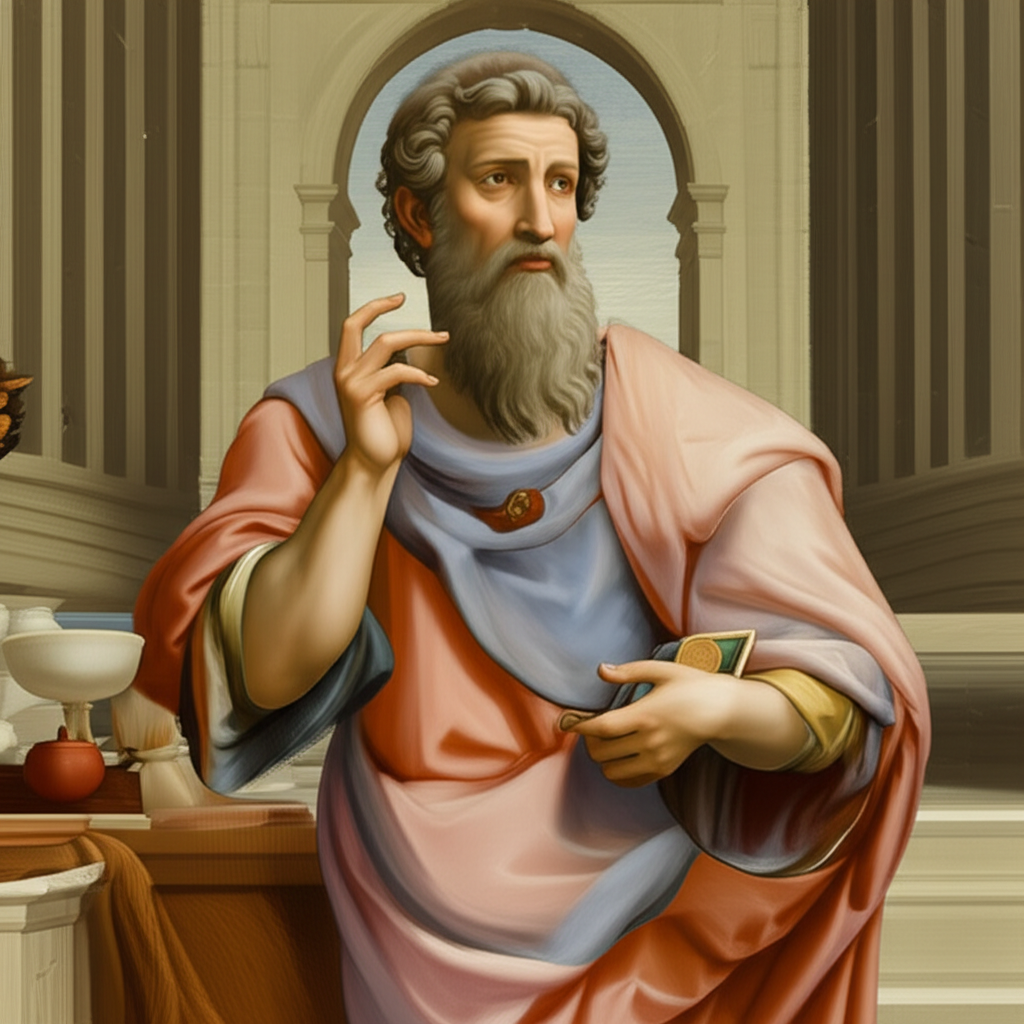 mediating between a person pulled by various temptations (desires) and guided towards higher purposes (will). Perhaps a figure resembling Plato's charioteer, but with the reins of desire and will both leading to a focal point within the Mind.)
The Mind as the Architect of Choice
The Mind is the crucial arbiter in this internal drama. It is the faculty that perceives, understands, judges, and deliberates. Without the Mind, the will would be blind, and desire would be an unguided force.
- Intellect's Role: The Mind, through its intellectual capacity, apprehends what is good or bad, true or false. It analyzes the objects of desire, evaluates the potential consequences of actions, and presents these findings to the will. For example, the Mind can discern that while a certain food is immediately pleasurable, it is detrimental to long-term health.
- Deliberation: The Mind engages in deliberation, weighing various options and their implications. It considers moral principles, personal values, and practical considerations. This is where Man exercises his unique capacity for reason.
- Formation of Intention: Based on the Mind's analysis, the will forms an intention – a conscious commitment to a particular course of action. This intention then guides the individual's efforts to realize the chosen end.
The development of a strong Mind, capable of clear thought and sound judgment, is therefore paramount for exercising effective will and wisely managing desires.
Navigating the Labyrinth of Choice for Man
For Man, the journey of life is an ongoing negotiation with his own internal landscape. To live a life of virtue and purpose requires constant vigilance and cultivation of both will and desire.
- Self-Awareness: Understanding the sources and patterns of our desires is the first step. Are they healthy? Are they aligned with our deeper values?
- Cultivating Willpower: The will is like a muscle; it strengthens with exercise. Regularly choosing the harder, more virtuous path, even when desire pulls elsewhere, builds resilience and self-mastery.
- Educating Desire: Through reflection and experience, the Mind can teach us to desire what is truly good for us, leading to a harmonious state where desire and will are not in constant conflict but work in concert. This is the essence of virtue, where one not only does the right thing but desires to do the right thing.
- Moral Frameworks: Engaging with the moral philosophies presented in the Great Books provides frameworks for the Mind to evaluate desires and inform the will's choices. Whether it's Aristotle's pursuit of eudaimonia, Kant's categorical imperative, or Augustine's love of God, these frameworks offer guidance.
The interplay of desire and will, guided by the Mind, is not merely an academic concept; it is the very fabric of our lived experience, determining our character, our actions, and ultimately, our destiny as Man. It is in this dynamic tension that we find the profound beauty and challenge of human freedom.
📹 Related Video: PLATO ON: The Allegory of the Cave
Video by: The School of Life
💡 Want different videos? Search YouTube for: "Plato Chariot Allegory explained; Kantian ethics duty vs inclination"