

The Interplay of Desire and Will in Choice
Summary: The Ancient Tug-of-War within the Mind
At the very core of human experience lies a perpetual and profound interaction: the interplay between desire and will. This dynamic, central to the Mind of Man, dictates not only our daily decisions but also the very trajectory of our lives. Desire, often an unbidden impulse or a powerful inclination, pulls us towards immediate gratification or away from discomfort. Will, conversely, is our capacity for rational deliberation, self-control, and the conscious choice to act or refrain, to pursue a higher good or adhere to duty. Understanding this complex relationship, which has preoccupied philosophers from the Great Books of the Western World for millennia, is fundamental to comprehending human freedom, moral responsibility, and the nature of the self. This article explores how these two forces shape our choices and define our humanity.
The Enduring Philosophical Question: What Moves Man?
For as long as Man has contemplated his own nature, the question of what truly moves him – what compels action or inaction – has been paramount. Is it the raw, untamed force of appetite and passion, or the cool, deliberate power of reason and resolve? The Great Books offer a rich tapestry of perspectives on this fundamental query, recognizing that our choices are rarely simple, often emerging from a complex negotiation within the Mind.
Desire: The Engine of Impulse
Desire can be understood as the fundamental impulse towards or away from something. It encompasses our appetites, passions, inclinations, and cravings – the myriad ways in which we are drawn to certain objects, experiences, or states of being. From the simple hunger for food to the profound longing for love or recognition, desire is an intrinsic part of our biological and psychological makeup.
- Plato, in his Republic, famously illustrates desire through the metaphor of the multi-headed beast or the wild, unruly horse in his charioteer allegory. This part of the soul, the appetitive, is often irrational, seeking immediate satisfaction without regard for consequences or moral rectitude.
- Aristotle, while emphasizing reason, acknowledged the role of orexis (appetite or desire) as a starting point for action, but distinguished it from the rational pursuit of the good.
- The raw power of desire, when unchecked, can lead to imprudence, excess, and even self-destruction. It is the force that makes us yearn, crave, and often suffer.
Will: The Architect of Intent
In stark contrast to the often-unbidden nature of desire stands the will. The will is the Mind's capacity for self-determination, for making conscious choices, and for directing one's actions according to reason or moral principles. It is the power to say "yes" or "no," to persevere in the face of difficulty, or to resist temptation.
- Augustine of Hippo, particularly in Confessions, grappled intensely with the concept of the will, viewing it as central to human freedom and moral responsibility. For Augustine, the will, though fallen, retains the capacity to choose good or evil, and its strength is crucial for spiritual ascent.
- Thomas Aquinas, building on Aristotle, articulated a sophisticated understanding of the will as a rational appetite, distinct from mere sensory desires. The will, for Aquinas, is moved by the intellect's apprehension of the good.
- Immanuel Kant, in his ethical philosophy, elevated the "good will" to the highest moral principle. For Kant, an action is truly moral only if it is performed from duty, out of respect for the moral law, rather than from inclination or desire. The will, in this sense, is the embodiment of rational autonomy.
The Dynamic Interplay: A Constant Dialogue within the Mind
The relationship between desire and will is not one of simple opposition, but rather a complex, dynamic interplay that defines the human condition. It is a continuous dialogue within the Mind of Man.
- Will Guided by Desire: Often, our will acts as an instrument of our desires, choosing the most efficient means to satisfy an appetite. If Man desires comfort, his will may direct him to seek shelter.
- Will Restraining Desire: More profoundly, the will can assert its authority over desire, choosing a path that is difficult but morally right, or foregoing immediate pleasure for a greater, long-term good. This is where self-mastery and virtue emerge. Plato's charioteer, representing reason (the will), strives to control the wild horse of appetite.
- The Struggle for Control: The Great Books are replete with narratives of this internal struggle. From Odysseus resisting the Sirens' call to Augustine's spiritual battles against carnal desires, the tension between what we want and what we know we ought to do is a recurring theme. The strength of one's Mind is often measured by its capacity to align will with reason, rather than allowing it to be enslaved by fleeting desires.
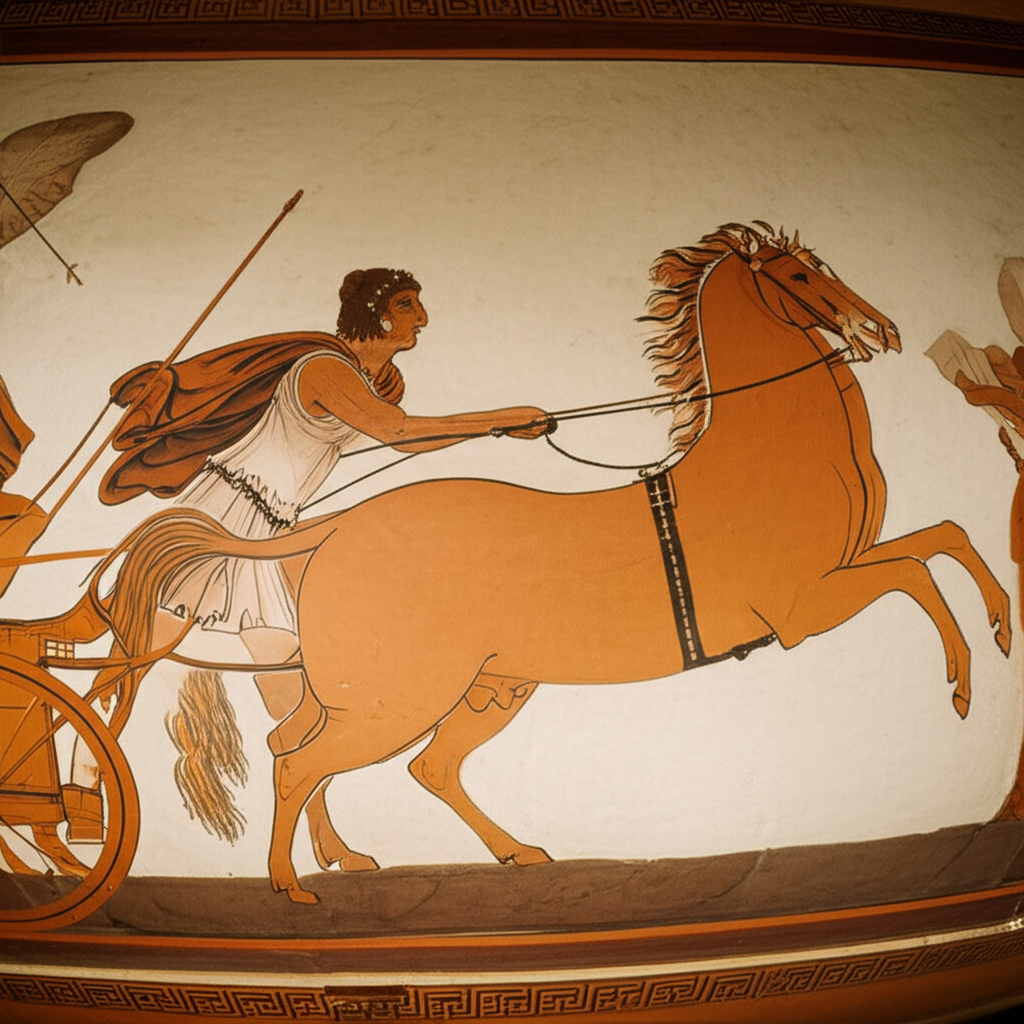
The Choice Point: Where Freedom and Responsibility Converge
Every choice we make, from the trivial to the momentous, is a testament to this interplay. It is at the point of choice that Man's freedom and moral responsibility are most keenly felt.
| Feature | Desire | Will |
|---|---|---|
| Nature | Instinctive, emotional, appetitive, reactive | Rational, deliberative, volitional, proactive |
| Origin | Body, senses, immediate gratification | Intellect, reason, moral conviction |
| Aim | Pleasure, avoidance of pain, satisfaction | Good, duty, long-term goals, self-mastery |
| Influence | Can compel, motivate, or distract | Can direct, restrain, or initiate action |
| Philosophers | Plato (appetite), Epicurus (pleasure) | Aristotle (virtue), Augustine (free will), Kant (duty) |
- Aristotle emphasized that voluntary actions, those stemming from choice (which involves deliberation and desire), are the basis for moral praise or blame. A Man is responsible for choices made with knowledge and intention.
- The capacity to choose against one's immediate desires, to exercise the will in pursuit of a higher principle, is what elevates human action beyond mere animal instinct. It is the hallmark of a truly free agent.
Cultivating the Virtuous Mind
Given this profound interplay, the task for Man is not to eradicate desire – an impossible and perhaps undesirable feat – but to cultivate a strong and virtuous will. This involves:
- Self-Knowledge: Understanding one's own desires and their potential influences.
- Deliberation: Engaging reason to assess desires, weigh alternatives, and identify the true good.
- Habituation: Through repeated virtuous acts, strengthening the will's capacity to choose wisely and consistently. This Aristotelian concept of habituation is crucial for developing character.
- Moral Education: Drawing upon the wisdom of the ages, including the profound insights from the Great Books, to inform one's ethical framework.
Conclusion: The Enduring Challenge for Man
The interplay of desire and will remains one of the most compelling and challenging aspects of human existence. It is the arena within the Mind where our true character is forged, where our freedom is exercised, and where our moral identity is shaped. By understanding this dynamic, Man can strive not merely to be driven by impulse, but to become the architect of his own choices, aligning his will with reason and pursuing a life of purpose and virtue. The journey of self-mastery, illuminated by centuries of philosophical inquiry, continues to be the most profound quest for every thinking individual.
YouTube Suggestions:
- "Plato's Chariot Allegory: Reason, Spirit & Appetite"
- "Augustine on Free Will and Moral Responsibility"
📹 Related Video: What is Philosophy?
Video by: The School of Life
💡 Want different videos? Search YouTube for: "The Interplay of Desire and Will in Choice philosophy"