

The Unseen Architect: How Habit Forges Moral Virtue
Summary: Our moral character, far from being an innate blueprint, is largely sculpted by the relentless repetition of our actions. This article explores the profound influence of habit on the development of virtue and vice, drawing insights from classical philosophy. From the foundational role of early education in instilling good practices to the pervasive impact of custom and convention in society, we will see how our daily routines and choices gradually determine the very fabric of who we are, making the cultivation of virtuous habits an essential project for ethical living.
The Enduring Power of Repetition
In the grand tapestry of philosophical thought, few concepts are as foundational yet as often overlooked as the humble habit. It is the unseen architect of our character, quietly shaping our responses, decisions, and ultimately, our moral trajectory. The ancients, particularly those whose wisdom is preserved in the Great Books of the Western World, understood this intimately. They recognized that virtue is not a gift bestowed upon us, but a skill honed through diligent, repeated practice.
Aristotle and the Acquisition of Virtue
For Aristotle, as articulated in his seminal Nicomachean Ethics, moral virtue is not something we are born with, nor is it contrary to our nature. Instead, it is acquired, much like any craft, through habituation. He famously posited that we become just by performing just acts, temperate by performing temperate acts, and brave by performing brave acts.
- Virtues are not innate: Unlike our senses, which we possess from birth, virtues are dispositions developed through practice.
- The "Golden Mean": Habit helps us find the appropriate middle ground, avoiding excess and deficiency in our actions and emotions.
- Pleasure and Pain: Developing virtuous habits means learning to take pleasure in noble actions and feel pain at ignoble ones. This requires consistent training, especially from a young age.
Aristotle's perspective underscores a critical point: our repeated choices solidify into tendencies that define our character. Virtue and vice are thus not momentary lapses or triumphs, but the ingrained patterns of our behavior.
Education: The Cradle of Good Habits
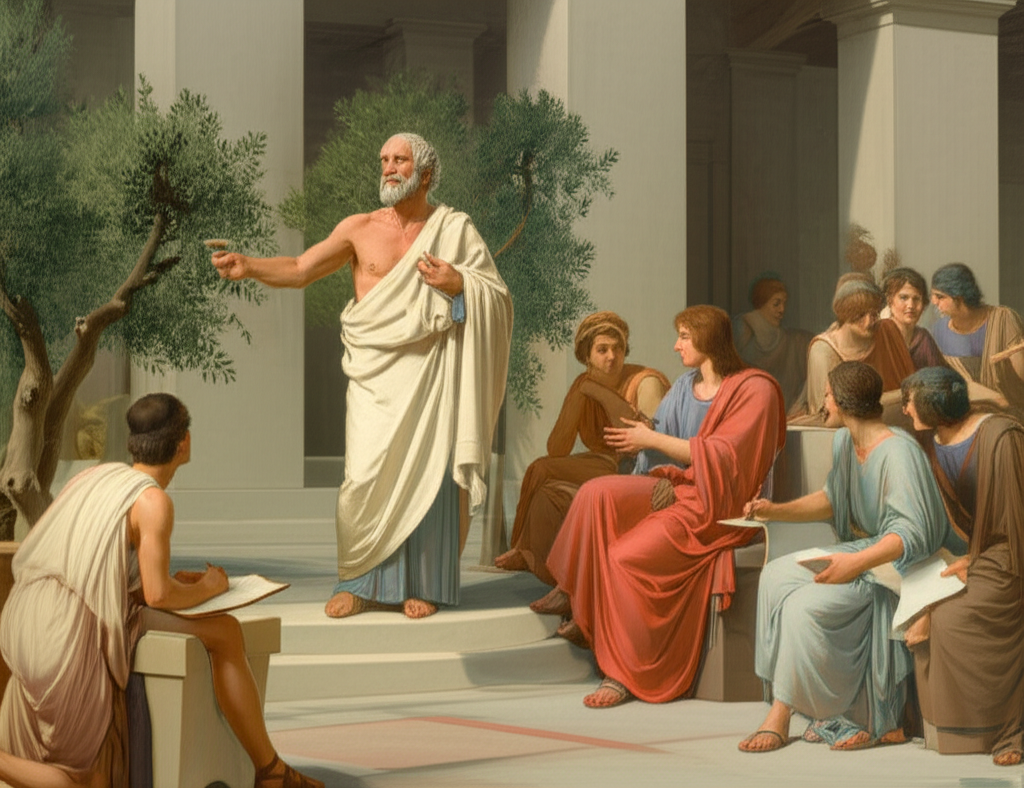
The role of education in fostering moral virtue through habit cannot be overstated. From Plato's vision of an ideal state in The Republic to the practical advice of Aristotle, philosophers have consistently emphasized the importance of early training. It is during our formative years that the seeds of good habits are planted, dictating how we will navigate the complexities of ethical life.
- Early Moral Training: Children learn by doing. If they are accustomed to acts of generosity, honesty, and self-control, these behaviors become easier and more natural over time.
- Developing Right Dispositions: Education aims not just to impart knowledge, but to cultivate the right dispositions – to love what is good and hate what is bad – through consistent exposure and practice.
- Guidance and Correction: A good education provides the necessary guidance to correct errant tendencies before they harden into vice and reinforces virtuous actions until they become second nature.
Custom and Convention: Society's Influence on Character
Beyond individual education, the broader social environment plays a crucial role in shaping our habits through custom and convention. The norms, traditions, and expectations of a community subtly, yet powerfully, influence the ethical landscape in which individuals develop.
Table: The Interplay of Societal Norms and Individual Habits
| Influence Factor | Description | Impact on Habit Formation |
|---|---|---|
| Customs | Established practices and traditions within a society. | Reinforce specific behaviors as "normal" or "expected." |
| Conventions | Agreed-upon rules, often unspoken, that govern social interaction. | Create pressure to conform, leading to habitual adherence to norms. |
| Laws & Institutions | Formal regulations and structures that dictate acceptable conduct. | Provide explicit frameworks that encourage or discourage certain habits. |
| Cultural Narratives | Stories, myths, and shared values that define a community's identity. | Shape perceptions of virtue and vice, influencing aspirational habits. |
When a society consistently values and rewards integrity, compassion, and justice, its citizens are more likely to develop these corresponding virtues. Conversely, environments that condone dishonesty, selfishness, or cruelty can foster habits of vice. The challenge, then, is not merely individual self-improvement, but also the collective effort to cultivate a societal fabric that supports virtuous living.
The Dual Path: Virtue and Vice
It is imperative to recognize that habit is a double-edged sword. While it is the pathway to virtue, it is equally the conduit to vice. Just as repeated acts of courage build a courageous character, repeated acts of cowardice solidify into a cowardly disposition.
- Positive Feedback Loop: Good habits make it easier to perform good actions, leading to a virtuous cycle.
- Negative Feedback Loop: Bad habits make it easier to commit bad actions, leading to a vicious cycle.
- "Second Nature": Both virtues and vices, once deeply ingrained, become a "second nature," feeling natural and often difficult to alter. This highlights the critical importance of conscious effort in the early stages of habit formation.
Cultivating an Ethical Life: A Continuous Journey
The influence of habit on moral virtue is a testament to the dynamic and ongoing nature of ethical development. It reminds us that character is not static but is continually being built and refined through our choices. To live a virtuous life is to consciously choose to engage in actions that align with our highest ideals, repeating them until they become an effortless expression of who we are. It is a lifelong project of self-mastery, guided by reason and strengthened by consistent practice.
YouTube Video Suggestions:
-
📹 Related Video: ARISTOTLE ON: The Nicomachean Ethics
Video by: The School of Life
💡 Want different videos? Search YouTube for: "Aristotle Nicomachean Ethics Habit Virtue"
-
📹 Related Video: PLATO ON: The Allegory of the Cave
Video by: The School of Life
💡 Want different videos? Search YouTube for: "Plato Education Moral Development"