

The Unseen Sculptor: How Habit Shapes Our Moral Virtue
Our character, that intricate tapestry of our moral inclinations and actions, is not merely a product of innate disposition or abstract reasoning. Rather, it is profoundly and continuously shaped by the subtle, yet powerful, force of habit. From the ancient philosophers, particularly those found within the Great Books of the Western World, we learn that repeated actions, whether good or ill, solidify into enduring dispositions, ultimately defining our moral landscape. Understanding this dynamic interplay between Habit and our ethical being is crucial for anyone seeking to cultivate a life of Virtue.
The Unseen Architect of Character
At first glance, habit might seem a mundane topic, relegated to daily routines like brushing teeth or commuting. Yet, its philosophical significance is immense. Aristotle, in his Nicomachean Ethics (a cornerstone text within the Great Books collection), eloquently argued that moral virtues are not inherent but acquired through practice. We become just by performing just acts, courageous by performing courageous acts, and temperate by performing temperate acts. This isn't just about doing the right thing; it's about becoming the kind of person who naturally does the right thing.
The consistent repetition of an action gradually engraves it upon our character, making it easier, more spontaneous, and eventually, almost second nature. This process is the very foundation of moral development, for better or for worse.
Habit and the Cultivation of Virtue and Vice
The distinction between Virtue and Vice lies precisely in the direction and quality of our habits. A virtuous person is one whose habits lead them consistently towards actions that are good, noble, and conducive to human flourishing. Conversely, a vicious person is entrapped by habits that steer them towards destructive, ignoble, or self-serving behaviors.
Consider the following:
| Moral Quality | Cultivated Through Habit | Opposing Quality (Vice) | Cultivated Through Habit |
|---|---|---|---|
| Courage | Repeatedly facing fears, standing up for what's right, enduring hardship. | Cowardice | Consistently avoiding challenges, yielding to fear, shrinking from duty. |
| Temperance | Practicing moderation in desires, resisting immediate gratification, self-control. | Intemperance | Indulging excesses, lacking self-discipline, succumbing to appetites. |
| Justice | Consistently treating others fairly, upholding rights, fulfilling duties, honest dealings. | Injustice | Repeatedly acting unfairly, exploiting others, dishonesty, neglecting obligations. |
| Generosity | Regularly sharing resources, offering help, giving time and effort to others. | Stinginess | Habitually hoarding, refusing to share, prioritizing self-interest excessively. |
Each deliberate choice we make, each action we take, serves as a brushstroke on the canvas of our character, contributing to the masterpiece of virtue or the disarray of vice. It is a continuous process, demanding conscious awareness and persistent effort.
The Role of Education in Moral Habituation
The formation of moral habits is rarely left to chance; it is a central concern of Education. From the earliest stages of life, education, broadly conceived, aims to instill dispositions that society deems valuable. This isn't just about teaching facts or skills; it's about shaping the moral compass.
- Parental Guidance: Parents teach children to share, to say "please" and "thank you," to be honest. These seemingly small lessons are the foundational bricks of future moral habits.
- Formal Schooling: Educational institutions reinforce these lessons, introducing concepts of civic duty, empathy, and ethical conduct, often through both explicit instruction and the implicit culture of the school.
- Mentorship and Role Models: Observing and emulating virtuous individuals provides practical templates for behavior, allowing us to internalize their habits.
The aim of good education, as many classical thinkers emphasized, is not merely to impart knowledge but to foster a love for the good and a disposition to act in accordance with it. It’s about training the emotional and volitional aspects of our being, not just the intellectual.
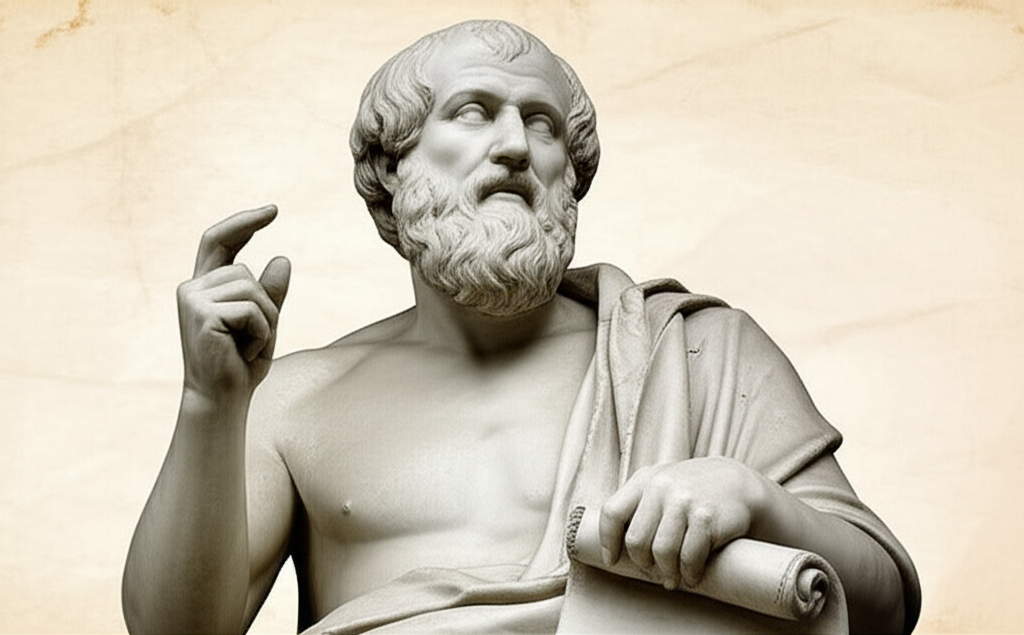
Custom and Convention: Society's Habit-Forming Mechanisms
Beyond individual and formal education, the broader societal fabric exerts immense influence through Custom and Convention. These are the unwritten rules, the shared practices, and the collective expectations that guide behavior within a community. They are, in essence, collective habits that shape individual morality.
- Social Norms: From queuing politely to respecting elders, social norms are ingrained through observation and subtle (or not-so-subtle) enforcement. They teach us what is acceptable and expected, helping to form our habits of interaction.
- Cultural Practices: Rituals, traditions, and cultural narratives often carry moral weight, reinforcing certain virtues (e.g., hospitality, community spirit) and discouraging vices.
- Legal Systems: Laws codify many moral conventions, providing a framework that, through enforcement, encourages compliance and eventually, habituation to certain standards of conduct.
While Custom and Convention can be powerful forces for good, they can also perpetuate less desirable habits or biases. The philosophical challenge lies in discerning which conventions genuinely lead to flourishing and which require critical re-evaluation. A truly virtuous individual must learn to navigate these societal pressures, sometimes conforming, sometimes challenging, always with an eye towards genuine moral good.
Breaking Bad Habits, Building Good Ones: A Philosophical Practice
The good news is that habits, while deeply ingrained, are not immutable. The bad news is that changing them requires conscious, sustained effort. This endeavor is, in itself, a profound philosophical practice.
- Awareness: The first step is to identify the habits, both virtuous and vicious, that define our character. This requires honest self-reflection.
- Intention: Clearly define the virtues we wish to cultivate or the vices we aim to eradicate.
- Practice: Begin to consistently perform the desired actions, even when it feels unnatural or difficult. Each small act reinforces the new pathway.
- Persistence: Understand that setbacks are inevitable. The key is to return to the practice with renewed determination.
- Environment: Structure our surroundings to support good habits and minimize triggers for bad ones.
This journey of self-sculpting is central to the pursuit of wisdom and a well-lived life. It is the practical application of philosophical insight.
The Enduring Legacy of Our Actions
The influence of habit on moral virtue is not a theoretical abstraction; it is the very engine of our moral being. Our daily choices, seemingly insignificant, accumulate to form the bedrock of who we are. By understanding the power of Habit, the interplay of Virtue and Vice, the formative role of Education, and the pervasive impact of Custom and Convention, we gain the tools to consciously shape our character. Let us therefore approach each day not just as a series of tasks, but as an opportunity to practice, to learn, and to build the moral self we aspire to become.
YouTube Video Suggestions:
-
📹 Related Video: ARISTOTLE ON: The Nicomachean Ethics
Video by: The School of Life
💡 Want different videos? Search YouTube for: "Aristotle Nicomachean Ethics Habit Virtue"
-
📹 Related Video: STOICISM: The Philosophy of Happiness
Video by: The School of Life
💡 Want different videos? Search YouTube for: "Stoicism Habit Formation Character"