

The Enduring Grip: How Habit Shapes Moral Virtue
Summary: Our moral character, far from being an innate, static quality, is profoundly shaped by the repetitive actions and choices we make—our habits. Drawing deeply from the wisdom of the Great Books, particularly Aristotle, this article explores how habit serves as the fundamental architect of virtue and vice, emphasizing the critical roles of education and societal custom and convention in cultivating a life of moral excellence or, conversely, one prone to moral failing. Understanding this dynamic empowers us to intentionally cultivate habits that lead to a flourishing, virtuous existence.
The Unseen Architect of Character: Understanding Habit
From the mundane routines of our daily lives to the profound ethical decisions that define us, habit acts as an invisible force, subtly guiding our actions and, in turn, shaping our very moral fabric. The ancient philosophers, particularly Aristotle, recognized this truth with remarkable clarity, asserting that we become what we repeatedly do. Moral virtue, therefore, is not merely a theoretical concept but a practical disposition, forged in the crucible of consistent practice.
Our journey into understanding this influence begins with acknowledging habit as a "second nature"—a learned disposition that, through repetition, becomes an almost automatic response. It is the bridge between our innate potential and our actualized character.
The Aristotelian Foundation: Ethos and the Cultivation of Soul
Aristotle, in his Nicomachean Ethics, provides the cornerstone for understanding the relationship between habit and moral excellence. He posits that moral virtues are not natural in the same way our senses are, but rather are acquired through activity. We learn to be just by doing just acts, brave by doing brave acts, and temperate by doing temperate acts. This process, which he terms ethos (character), is fundamentally about the consistent practice of right action.
- From Potentiality to Actuality: We are born with the capacity for virtue, but not virtue itself. Just as a builder learns to build by building, a virtuous person learns virtue by performing virtuous actions. Each repeated action etches a deeper groove, making the next virtuous choice easier, more natural, and ultimately, more enjoyable. This journey transforms potential into actualized moral character.
The Dichotomy: Virtue and Vice Forged by Repetition
The power of habit is a double-edged sword. While it can elevate us to the heights of moral excellence, it can also lead us down paths of moral degradation. The same mechanism that builds virtue can, through ill-advised repetition, solidify vice.
The Path to Excellence: Virtuous Habits
A virtuous habit is a settled disposition to act in a morally good way. It is characterized by:
- Consistency: The actions are performed regularly.
- Right Reason: The actions are guided by practical wisdom and sound judgment.
- Pleasure in Action: Over time, the virtuous act becomes not only easier but also a source of genuine satisfaction.
Consider the following examples of virtuous habits:
- Honesty: Consistently speaking the truth, even when difficult.
- Generosity: Regularly sharing resources or time with others.
- Patience: Habitually exercising restraint and understanding in challenging situations.
- Courage: Repeatedly facing fears or dangers for a noble cause.
The Descent into Moral Flaw: Vicious Habits
Conversely, a vicious habit is a settled disposition to act in a morally bad way. These habits often begin subtly, perhaps as minor indulgences or rationalized compromises, but with repetition, they harden into character flaws.
- Impulsivity: Repeatedly acting without due consideration for consequences.
- Dishonesty: Consistently deceiving others for personal gain or to avoid discomfort.
- Procrastination: Habitually delaying important tasks, leading to negative outcomes.
- Malice: Repeatedly harboring ill will or acting with harmful intent.
The critical insight here is that both virtue and vice are products of the same fundamental process: repetition. Our moral trajectory is not determined by isolated acts, but by the cumulative weight of our habitual choices.
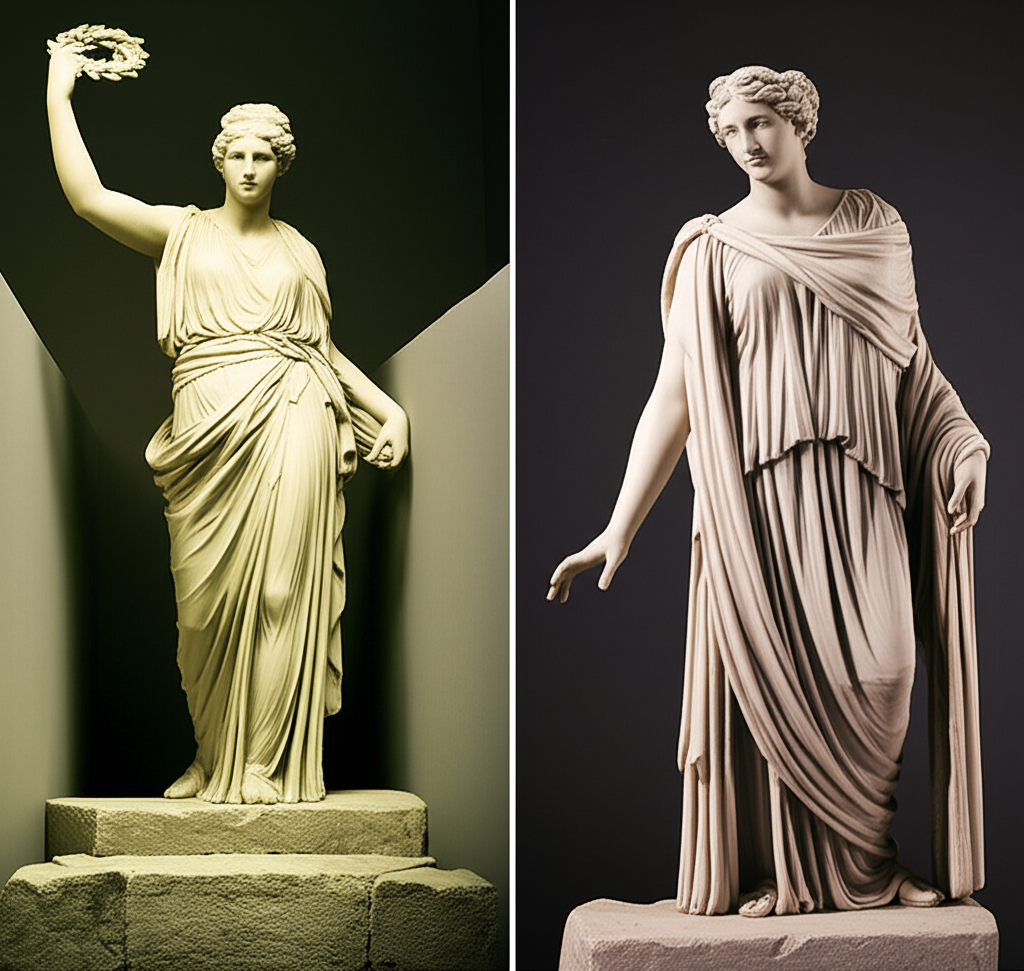 , and the other towards a figure representing Vice (often depicted with alluring but decadent symbols). The figure in the middle is in a moment of thoughtful deliberation, symbolizing the choice between developing good or bad habits.)
Cultivating Character: The Role of Education and Environment
Given the profound influence of habit on moral character, the means by which these habits are formed becomes paramount. This is where education and the broader forces of custom and convention play their indispensable roles.
Early Training and Moral Formation
Philosophers from Plato to Rousseau have emphasized the crucial importance of early education in shaping moral character. It is during our formative years that the foundational habits are laid. A child who is consistently taught to share, to be truthful, and to show respect is more likely to develop these into ingrained virtues.
- Plato's Republic: Plato argues for a rigorous educational system designed to cultivate guardians who possess courage, temperance, and justice. This education isn't just intellectual; it's deeply moral, shaping the soul through exposure to beautiful and harmonious forms, and through the practice of self-discipline.
- The Role of Mentors and Role Models: Teachers, parents, and community leaders serve as crucial guides, demonstrating virtuous actions and providing opportunities for children to practice them, thereby establishing positive habits.
Society's Unspoken Curriculum: Custom and Convention
Beyond formal education, the surrounding social environment—the custom and convention of a community—exerts immense pressure on habit formation. The values, norms, and accepted behaviors of a society subtly dictate which actions are encouraged and which are discouraged, thereby influencing the development of individual and collective character.
Consider the impact of:
- Social Expectations: If a society values honesty and integrity, individuals are more likely to habitually practice these virtues. Conversely, a society that tolerates or even rewards dishonesty can foster vicious habits.
- Legal Frameworks: Laws, though not directly forming habits, create a framework that encourages certain behaviors and discourages others, nudging individuals towards socially beneficial habits.
- Cultural Narratives: Stories, myths, and traditions often convey moral lessons, implicitly guiding individuals towards virtuous conduct and shaping their understanding of right and wrong.
| Influence Category | Impact on Habit Formation | Examples of Effect |
|---|---|---|
| Formal Education | Direct instruction, practice, and reinforcement of virtues. | Learning to share toys, practicing polite speech. |
| Parental Guidance | Role modeling, discipline, and encouragement. | Observing parents' honesty, being taught empathy. |
| Social Customs | Unspoken rules, traditions, and community expectations. | Greeting elders respectfully, participating in charity. |
| Cultural Norms | Values embedded in media, stories, and public discourse. | Understanding fairness from folk tales, valuing hard work. |
The Deliberate Life: Breaking and Forming Habits
While habits can feel ingrained, the beauty of human agency lies in our capacity for deliberation and choice. We are not entirely slaves to our habits; we can consciously work to break vicious ones and cultivate virtuous ones. This requires self-awareness, discipline, and practical wisdom.
Practical Wisdom (Phronesis) and Habitual Choice
Aristotle's concept of phronesis, or practical wisdom, is vital here. It is the intellectual virtue that enables us to deliberate well about what is good and advantageous for living a flourishing life. Phronesis guides us in identifying the right action, at the right time, in the right way, and for the right reasons. When combined with the consistent practice of virtuous actions, it solidifies virtuous habits.
Breaking a bad habit or forming a new, good one often involves:
- Awareness: Recognizing the habit and its moral implications.
- Deliberation: Consciously choosing a different, better action.
- Repetition: Consistently practicing the new, desired action, even when it feels difficult or unnatural.
- Reinforcement: Seeking environments and relationships that support the new habit.
Ultimately, the influence of habit on moral virtue is not a deterministic chain but an ongoing, dynamic process. It is a testament to the profound connection between our actions and our character, underscoring the philosophical imperative to live a life of thoughtful, consistent moral practice.
Conclusion: The Moral Imperative of Conscious Habit
The Great Books of the Western World offer an enduring testament to the power of habit in shaping our moral landscape. From Aristotle's profound insights into the formation of ethos to the societal influences of custom and convention on our character, it becomes clear that our moral virtues are not gifts but achievements, painstakingly built through consistent effort.
Understanding this intricate relationship between action and character empowers us. It shifts the focus from merely wishing to be virtuous to actively becoming virtuous through the deliberate cultivation of good habits and the courageous effort to dismantle vicious ones. In a world fraught with moral complexities, the conscious cultivation of virtuous habits remains one of our most potent tools for personal flourishing and for building a more just and humane society.
YouTube Video Suggestions:
-
📹 Related Video: ARISTOTLE ON: The Nicomachean Ethics
Video by: The School of Life
💡 Want different videos? Search YouTube for: "Aristotle Nicomachean Ethics Habit Virtue"
2. ## 📹 Related Video: What is Philosophy?
Video by: The School of Life
💡 Want different videos? Search YouTube for: "The Role of Habit in Character Formation Philosophy"