

The Influence of Habit on Moral Virtue: A Philosophical Exploration
Habit, often dismissed as mere routine, stands as a foundational architect of moral virtue. Far from being a trivial aspect of human behavior, the consistent repetition of actions, both good and bad, fundamentally shapes our character, determining whether we incline towards virtue or vice. This article delves into the profound philosophical insights, particularly from the Great Books of the Western World, that illuminate habit's indispensable role in the cultivation of a morally upright life, examining its interplay with education, custom, and the very essence of human flourishing.
The Architect of Character: Habit as Ethos
For ancient philosophers, particularly Aristotle, the concept of habit (hexis) is inextricably linked to character (ethos). In his Nicomachean Ethics, Aristotle posits that moral virtues are not innate qualities bestowed upon us at birth, but rather dispositions acquired through practice. We become just by performing just acts, temperate by performing temperate acts, and brave by performing brave acts. This iterative process of doing, reflecting, and refining is the very crucible in which moral character is forged.
- Moral Virtues vs. Intellectual Virtues: Aristotle carefully distinguishes between intellectual virtues (like wisdom and understanding), which are gained primarily through teaching, and moral virtues, which are products of habit.
- The Power of Repetition: The repeated performance of certain actions, even if initially difficult or unappealing, eventually makes those actions easier, more pleasurable, and ultimately, second nature. This transformation from conscious effort to ingrained disposition is the essence of habit's power.
The Dual Nature of Habit: Virtue and Vice
Habit is a double-edged sword. While it can lead us towards the pinnacle of virtue, it can just as easily ensnare us in the clutches of vice. Every action we undertake, every choice we make, contributes to the strengthening of a particular disposition.
The Path to Virtue and Vice:
- Virtue: Cultivated through consistent engagement in actions aligned with reason and the mean. For example, repeatedly choosing to act courageously in the face of fear builds the virtue of courage.
- Vice: Developed through persistent engagement in actions that deviate from the mean, either by excess or deficiency. Repeatedly succumbing to fear cultivates cowardice, while habitually acting rashly fosters recklessness.
Consider the individual who consistently tells the truth, even when inconvenient. This repeated truthful action solidifies the virtue of honesty. Conversely, someone who frequently engages in deceit, even in minor ways, gradually hardens their character towards dishonesty, making future acts of deception easier and less morally jarring. This demonstrates how virtue and vice are not static states but dynamic outcomes of our habitual choices.
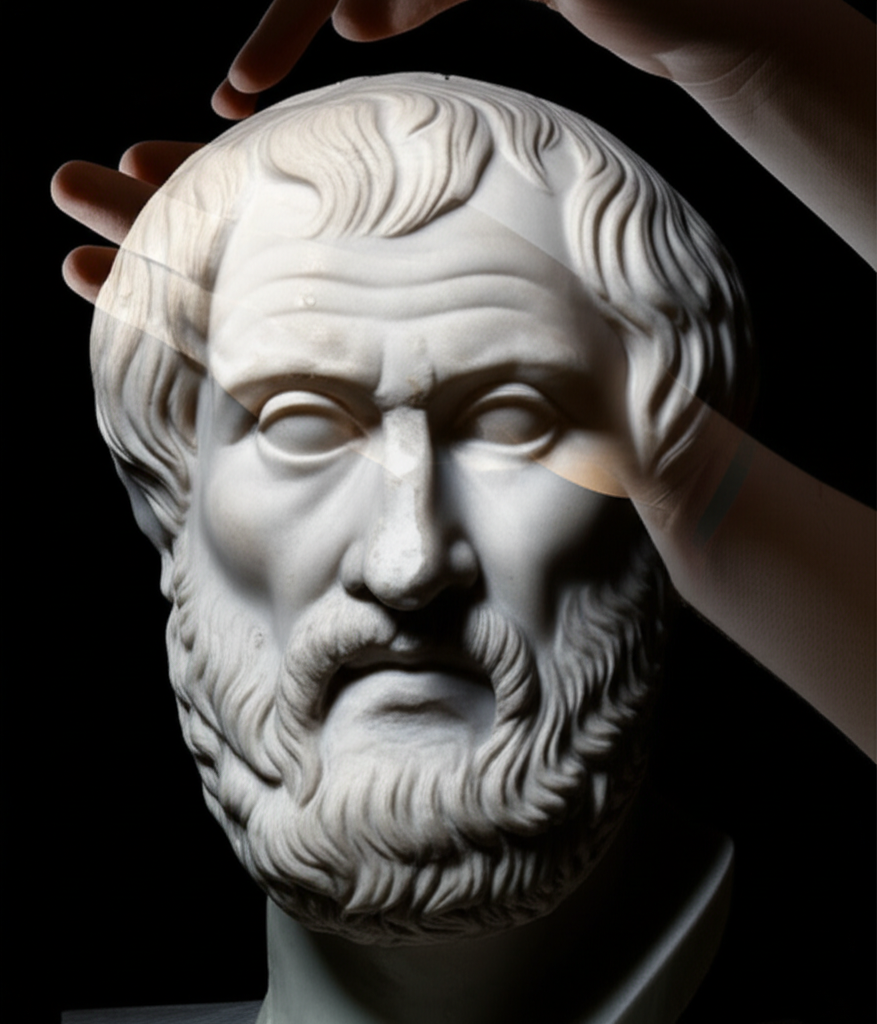
The Indispensable Role of Education
Given habit's profound influence, the importance of education in guiding its formation becomes paramount. Philosophers like Plato, in his Republic, emphasize the critical role of early training and the environment in shaping the moral fabric of citizens. Children, being highly impressionable, must be habituated to good behaviors from a young age.
- Early Training: Plato argued for a rigorous and carefully curated education system that would expose individuals to beautiful and harmonious things, fostering a love for the good and noble. This early exposure and practice of virtuous actions lay the groundwork for a virtuous adult life.
- The State's Responsibility: Both Plato and Aristotle believed that the state has a crucial role in providing the right kind of education and laws that encourage virtuous habits. Laws, for Aristotle, are instruments that compel citizens to act justly, thereby helping them become just.
Without proper guidance, early habits can easily lead astray, making the later correction of character a far more arduous task. This underscores that education is not merely about imparting knowledge but, more fundamentally, about shaping dispositions and inculcating good habits.
Custom and Convention: Society's Moral Compass
Beyond individual education, the broader societal context, characterized by custom and convention, plays a significant role in shaping our moral habits. The norms, traditions, and expectations of a community can either reinforce virtuous behavior or inadvertently promote vice.
- Societal Influence: If a society values honesty, courage, and generosity, its customs and conventions will likely encourage these behaviors, making it easier for individuals to develop such habits. Conversely, a society that tolerates or even glorifies avarice or deceit will find its citizens more prone to such vices.
- The Weight of Tradition: Established traditions and social rituals often serve as powerful habit-forming mechanisms. From greeting rituals to communal acts of charity, these conventions guide behavior and contribute to the collective moral landscape.
The interplay between individual habit and societal custom and convention is cyclical: individual habits contribute to the collective character of a society, which in turn influences the habits of its members. Recognizing this dynamic highlights the ethical responsibility inherent in both personal conduct and communal standards.
Cultivating Virtue: A Lifelong Endeavor
The insights from the Great Books reveal that moral virtue is not a destination but an ongoing process, continually shaped by our habits. While early education and societal conventions provide a crucial foundation, the conscious effort to cultivate good habits and eradicate bad ones remains a lifelong endeavor. It requires self-awareness, discipline, and a persistent commitment to acting in accordance with reason and the good.
To truly flourish, we must become architects of our own character, deliberately choosing the actions that will habituate us towards virtue, making the good not just something we do, but something we are.
📹 Related Video: ARISTOTLE ON: The Nicomachean Ethics
Video by: The School of Life
💡 Want different videos? Search YouTube for: "Aristotle Nicomachean Ethics Habit Virtue"
📹 Related Video: PLATO ON: The Allegory of the Cave
Video by: The School of Life
💡 Want different videos? Search YouTube for: "Plato Moral Education Character Formation"