

The Golden Fetters: How Wealth Reshapes the Family Unit
Summary: This article delves into the intricate and often paradoxical influence of wealth on family structures, tracing its impact from ancient societies to the contemporary world. We explore how economic prosperity, far from being a simple boon, has historically both fortified and fractured traditional bonds, challenging established custom and convention and driving profound change. Drawing upon the timeless wisdom of the Great Books, we examine how wealth shapes marital alliances, child-rearing philosophies, the transmission of values, and the very definition of kinship, revealing the complex interplay between material conditions and human relationships.
The human family, as Aristotle observed in his Politics, is the fundamental unit of the state, preceding and underpinning the larger community. It is the crucible where individuals are formed, values are transmitted, and legacies are forged. Yet, this foundational unit is far from immune to external forces, none more potent, perhaps, than the pervasive influence of wealth. From the dowries of antiquity to the trust funds of modernity, economic standing has consistently—and often controversially—redefined the parameters, expectations, and very essence of family life.
I. Foundations and Fortifications: Wealth, Custom and Convention in the Ancient Family
Historically, the acquisition and maintenance of wealth were inextricably linked to the survival and perpetuation of the family unit. In many ancient civilizations, as chronicled in texts ranging from the Homeric epics to the Roman legal codes, marriage was less a romantic ideal and more a strategic alliance, often cemented by the exchange of dowries or bride-prices. These transactions were not merely symbolic; they represented the consolidation of property, land, and social standing, ensuring the economic viability of the newly formed household.
Consider the role of inheritance. The concept of primogeniture, prevalent in many European societies, dictated that the eldest son inherited the bulk of the family's estate, a custom and convention designed to prevent the fragmentation of wealth and preserve the family’s aristocratic or landed status across generations. This practice, while ensuring the continuity of the family name and its material assets, simultaneously dictated rigid roles, often limiting personal choice for younger siblings and daughters, whose futures were frequently determined by the family's economic strategy. The household, as described by philosophers like Xenophon and Aristotle, was an economic enterprise, a unit of production and consumption, where each member had a defined role in contributing to its overall prosperity.
- Historical Roles of Wealth in Family Structure:
- Marital Alliances: Dowries and bride-prices as economic and social contracts.
- Inheritance Laws: Primogeniture and other systems designed to preserve family assets.
- Household as Economic Unit: Each member's contribution to collective wealth.
- Social Standing: Wealth determined the family's place within the community and political sphere.
II. The Modern Paradox: Affluence, Autonomy, and Atomization
With the advent of industrialization and the rise of capitalism, the nature of wealth and its interaction with the family began to undergo significant change. No longer solely tied to land or inherited status, wealth could be generated through entrepreneurship, trade, and industry, offering unprecedented opportunities for social mobility. This shift brought with it a paradox: while wealth could liberate individuals from economic necessity, granting greater personal autonomy, it also introduced new pressures that could subtly erode traditional family dependencies and communal bonds.
The emphasis shifted from the collective survival of the family as an economic unit to the individual's pursuit of prosperity. This burgeoning individualism, a recurring theme in Enlightenment thought and later critiques by thinkers like Marx, highlighted how economic structures could both empower and alienate. Affluence could allow family members to pursue separate interests, live geographically apart, and rely less on each other for daily support. This autonomy, while valued, could lead to a sense of atomization, where the emotional and practical ties that once bound families tightly together became looser. The challenge for affluent families often shifted from mere survival to the management of inherited wealth, grappling with issues of entitlement, generational disconnects, and the search for purpose beyond material comfort.
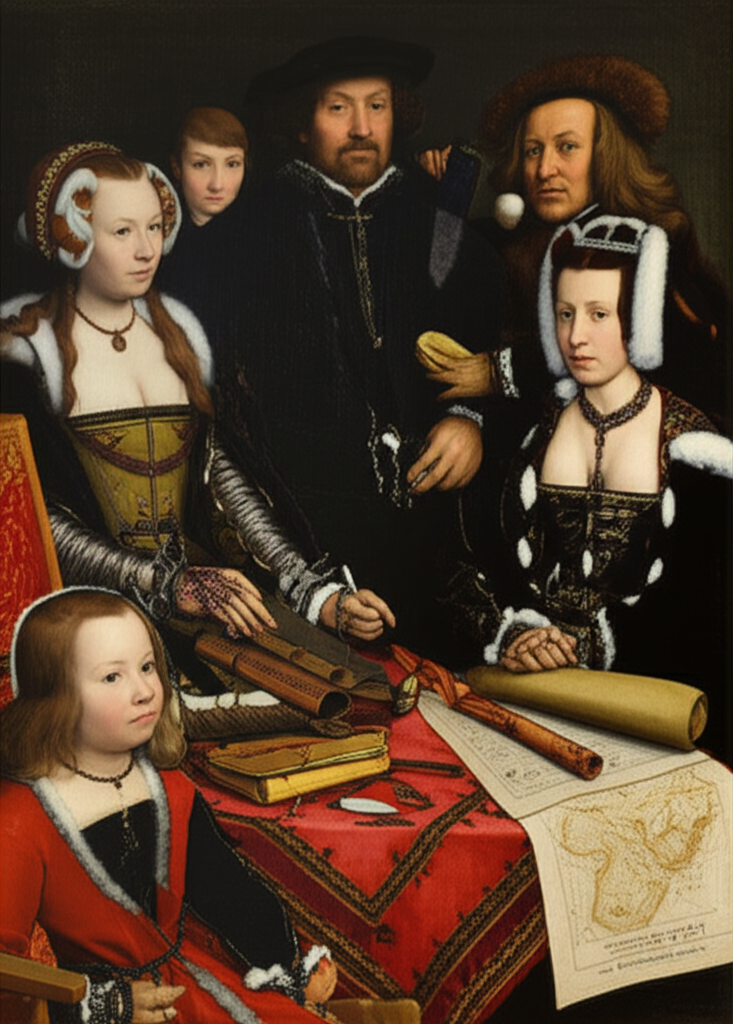
III. The Transmission of Values: Wealth as a Catalyst for Change
The presence of significant wealth profoundly influences the transmission of values within a family, acting as a powerful catalyst for change in how children are raised and what they are taught to prioritize. Parents of means often have access to superior educational opportunities, from private schools to elite universities, shaping their children’s intellectual development and social networks. However, wealth can also inadvertently foster a culture of entitlement, where effort and merit are sometimes overshadowed by inherited privilege.
The concept of "legacy" also undergoes a transformation. For many, legacy is primarily financial – the passing down of assets, businesses, or trusts. Yet, philosophers from Seneca to contemporary ethicists remind us that true legacy encompasses moral character, intellectual curiosity, and civic responsibility. Wealth can either facilitate the cultivation of these virtues by providing resources for education and philanthropy, or it can inadvertently hinder them by removing the necessity for struggle, resilience, and a deep understanding of the human condition. The tension between preserving the custom and convention of hard work and adapting to the change that affluence brings—where the next generation might not need to work—is a perennial challenge for wealthy families.
IV. Redefining Family in the Golden Age: New Structures, New Challenges
In an era where wealth can afford unprecedented freedom and choice, the traditional definitions of family are continually being re-examined and reshaped. No longer solely bound by economic necessity or strict social custom and convention, affluent individuals may choose to form families that deviate from historical norms. This includes single-parent households by choice, extended families living together for convenience rather than economic necessity, or even "chosen families" where deep bonds are formed outside of biological or marital ties.
Wealth also empowers families to engage with society in new ways, often through philanthropy. The establishment of family foundations, trusts, and charitable organizations becomes a means for affluent families to exert influence and leave a lasting mark, extending their family's impact beyond their immediate kin. This represents a significant change from historical models, where a family's societal role was often dictated by its inherited status rather than its active, chosen engagement. The philosophical question then arises: does wealth ultimately strengthen the family by offering security and opportunity, or does it, through its very abundance, dilute the bonds that necessity once forged?
In conclusion, the impact of wealth on family structure is a narrative of profound complexity, woven through the tapestry of human history. From the foundational role it played in establishing custom and convention in ancient households to its capacity to drive radical change in modern family dynamics, wealth is never a neutral force. It is a powerful determinant, capable of fortifying bonds through shared prosperity, yet also capable of fracturing them through the pursuit of individual autonomy or the burdens of entitlement. As we continue to navigate an increasingly affluent and interconnected world, understanding these dynamics remains crucial for appreciating the enduring, yet ever-evolving, nature of the human family.
YouTube: "Aristotle on the Household and Oeconomics"
YouTube: "The Philosophy of Wealth and Happiness"
📹 Related Video: What is Philosophy?
Video by: The School of Life
💡 Want different videos? Search YouTube for: "The Impact of Wealth on Family Structure philosophy"