

The Enduring Essence: Exploring the Immortality of Angels
Angels, those ethereal beings that populate the annals of Theology and philosophy, are often conceived as possessing a singular, profound attribute: Immortality. This article delves into the philosophical and theological underpinnings of angelic Immortality, examining its nature, its distinction from human Immortality, and its implications for our understanding of the cosmos and divine order. Drawing from the rich intellectual heritage found in the Great Books of the Western World, particularly the scholastic tradition, we explore how these beings are understood to transcend the limitations of time and corruption, existing in a state of perpetual Eternity.
Unveiling the Angelic Paradox
The concept of an Angel immediately evokes images of beings beyond our earthly constraints, unburdened by the frailties of flesh and the inevitable decay of material existence. From ancient scriptures to sophisticated scholastic treatises, angels are consistently depicted as ageless, unyielding, and imperishable. This inherent Immortality is not merely an extended lifespan but a fundamental aspect of their very being, setting them apart from the mortal realm and positioning them as crucial intermediaries in many theological frameworks. Understanding their Immortality is key to grasping their nature and their role in the grand tapestry of existence.
Theological Foundations of Angelic Eternity
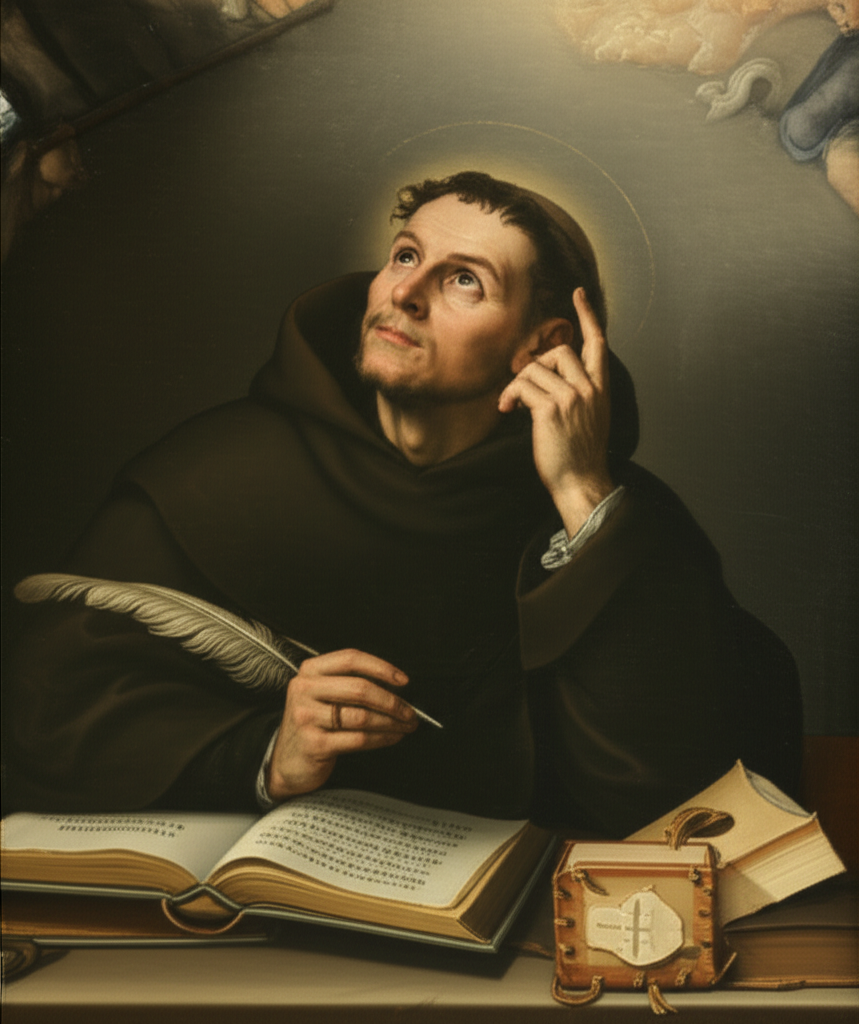
The philosophical and Theology discussions surrounding angels, particularly prominent in figures like St. Thomas Aquinas (whose work is a cornerstone of the Great Books tradition), posit that angels are pure intellects, incorporeal substances. This immateriality is the bedrock of their Immortality. Unlike humans, who possess both a material body and an immaterial soul, angels are understood to be entirely spiritual.
- Lack of Composition: Material objects are composites of form and matter. Matter is subject to change, corruption, and dissolution. Since angels lack matter, they lack the inherent principle of corruption that leads to death in physical beings. They are, in essence, pure forms.
- Direct Creation by God: Angels are believed to be created directly by God, each as a distinct species, perfect in its initial creation. They do not undergo birth, growth, or decay in the way biological organisms do. Their existence is a singular, unalterable act of creation.
- Perpetual Existence: Their Immortality is therefore not a gift bestowed after a period of trial, but an inherent quality of their created nature. They exist in a state of Eternity, not in the sense of being outside of time (as God is), but in the sense of having a beginning but no end within time.
Substance and Survival: A Metaphysical Inquiry
The metaphysical distinction between material and immaterial substances is crucial here. For something to perish, its constituent parts must separate, or its form must cease to inform its matter. Since angels are simple, indivisible, immaterial substances, there is no internal principle by which they can be corrupted or dissolved. Their existence is contingent only upon the will of their Creator. Thus, their Immortality is a direct consequence of their ontological makeup.
Distinguishing Immortality: Angelic vs. Human
While both angels and human souls are considered immortal in many theological traditions, the nature of their Immortality differs significantly.
| Feature | Angelic Immortality | Human Soul Immortality |
|---|---|---|
| Origin | Inherent, by nature of creation (immaterial). | Potentially inherent (soul is immaterial), but tied to a material body. |
| Composition | Purely spiritual, simple, indivisible. | Spiritual soul united to a material body; soul is immortal, body is mortal. |
| Duration | No beginning of corruption; perpetual Eternity. | Soul survives bodily death; awaits resurrection for full personhood. |
| Vulnerability | Incapable of natural death or decay. | Body is subject to death; soul is not. |
| Dependence | Depends solely on God's sustaining will. | Depends on God's sustaining will; its activity is often mediated by the body in life. |
The human soul, though immortal, experiences a separation from the body at death, a state considered unnatural or incomplete until the resurrection. Angels, never having been united to a body, do not experience such a disjunction. Their Immortality is an unbroken, continuous existence from the moment of their creation.
Implications of Angelic Immortality
The Immortality of angels carries profound implications for their function and the broader cosmic order:
- Unwavering Knowledge: Possessing a continuous existence, angels accumulate knowledge without the interruptions of sleep, illness, or death. Their intellects are always active, capable of profound understanding and swift apprehension of truth.
- Consistent Service: Their perpetual nature allows for unwavering service to God, executing divine will without fatigue or cessation. This contributes to the stability and order of the universe as conceived by traditional Theology.
- Eternal Significance: Every action an angel performs, every choice it makes (such as the initial choice of loyalty to God or rebellion), carries eternal weight precisely because their existence is eternal. There is no "second chance" in the same way that human repentance is conceived.
- A Glimpse into the Divine Order: Angels, through their Immortality and perfect nature, offer a reflection of God's own Eternity and unchangeableness. They bridge the gap between the purely divine and the purely material, illustrating a hierarchy of being that ascends towards the Creator.
Challenges and Contemplations
While traditional Theology firmly establishes angelic Immortality, philosophical inquiry can still ponder its nuances. Questions might arise concerning the nature of their free will if their initial choice is eternally binding, or how their Immortality impacts their experience of time. However, these are often resolved within the framework of divine wisdom and the unique nature attributed to these spiritual intelligences. Their Immortality is not a passive state but an active, conscious Eternity dedicated to their purpose.
Conclusion: A Timeless Truth
The Immortality of angels stands as a testament to a profound philosophical and Theology insight: that existence can transcend the limitations of matter and time. As explored through the lens of the Great Books of the Western World, these celestial beings offer a powerful conceptual framework for understanding the nature of spiritual substance, Eternity, and the enduring order of the cosmos. Their perpetual existence not only defines their being but also illuminates aspects of divine wisdom and the intricate architecture of creation itself.
📹 Related Video: PLATO ON: The Allegory of the Cave
Video by: The School of Life
💡 Want different videos? Search YouTube for: ""Aquinas Angels Immaterial Substance""
📹 Related Video: ARISTOTLE ON: The Nicomachean Ethics
Video by: The School of Life
💡 Want different videos? Search YouTube for: ""Philosophical Theology Angelic Immortality""