

The Enduring Enigma of Angelic Immortality
This article delves into the profound philosophical and theological concept of angelic immortality, examining the unique nature of angels as pure spiritual beings and how their composition dictates an everlasting existence. Drawing upon the rich intellectual heritage found within the Great Books of the Western World, we explore the distinctions between mere longevity and true immortality, considering the implications for our understanding of creation, divine power, and the very fabric of eternity. We will navigate the scholastic tradition to uncover why angels, by their essence, transcend the decay and cessation that define mortal life.
Defining the Indefinable: Immortality Beyond the Mortal Coil
To speak of immortality is often, for us mortals, to imagine an endless extension of life as we know it—a body that simply never ceases. However, when we turn our gaze to the angelic realm, the concept takes on a far more profound and nuanced meaning. Angels, as understood in classical theology and philosophy, are not merely long-lived; they are, by their very nature, incapable of death.
Key Characteristics of Angelic Immortality:
- Spiritual Essence: Unlike humans, angels possess no material body. They are pure intellect and will, unburdened by the physical decay that afflicts all composite beings in the material world.
- Lack of Potency to Non-Being: In Aristotelian and Thomistic thought, death arises from the dissolution of a composite being—the separation of form from matter. Since angels are simple, non-composite spiritual substances, they lack this internal principle of corruption.
- Direct Creation by God: Angels are directly created by God, not generated through natural processes. Their existence is sustained by divine will, and without a natural mechanism for cessation, only a direct act of annihilation by God could end their being.
Angels in the Scholastic Tradition: Pure Intellect, Pure Duration
The question of angelic immortality is a cornerstone of Christian theology, extensively explored by thinkers whose works are enshrined in the Great Books of the Western World, most notably St. Thomas Aquinas. In his Summa Theologica, Aquinas meticulously dissects the nature of angels, often referred to as "intellectual substances" or "pure spirits."
Aquinas argues that angels, being immaterial, do not undergo change in the same way material substances do. Their substantial form is not united to matter; rather, they are their form. This lack of material composition means they are not subject to generation and corruption, the processes that define the temporal existence of physical beings.
"For a thing to be corruptible, it must have parts from which it is composed, and these parts can be separated. But angels, being simple spiritual substances, have no such parts."
This understanding posits that an angel's existence is not merely an extended lifespan, but an intrinsic quality of its being. Their eternity is not an aeternitas in the sense of being outside of time like God, but rather an aevum—a mode of duration that transcends mere temporal succession without being entirely timeless. It is an everlasting present, a simultaneous possession of their entire existence without beginning or end, yet distinct from the absolute, indivisible eternity of God.
Table: Distinguishing Modes of Duration
| Mode of Duration | Definition | Applies To | Key Characteristic |
|---|---|---|---|
| Time | Successive measurement of motion; "now" constantly changing. | Material, corruptible beings (e.g., humans, animals, plants). | Begins, ends, and is marked by change and flux. |
| Aevum | Permanent, unchanging duration; simultaneous possession of being. | Immaterial, incorruptible creatures (e.g., Angels, human souls after death). | No beginning or end in duration, but created; "standing still" in being. |
| Eternity | Infinite, indivisible duration; outside of all time and change. | God alone. | Absolutely timeless, without beginning, middle, or end; pure "is." |
Philosophical Implications: A Glimpse into Sustained Being
The immortality of angels offers profound insights into the nature of existence, creation, and divine power. It challenges our anthropocentric view of being, presenting a class of creatures whose very essence is designed for unending duration. This concept underscores the sheer variety and richness of God's creation, from the ephemeral butterfly to the ever-present angel.
Their unchanging nature, particularly in their primary choices (e.g., the fall of some angels), highlights the weight of free will when unburdened by the weaknesses of a material body and the shifting sands of temporal existence. An angelic decision, made with perfect clarity of intellect, is a decision made for eternity.
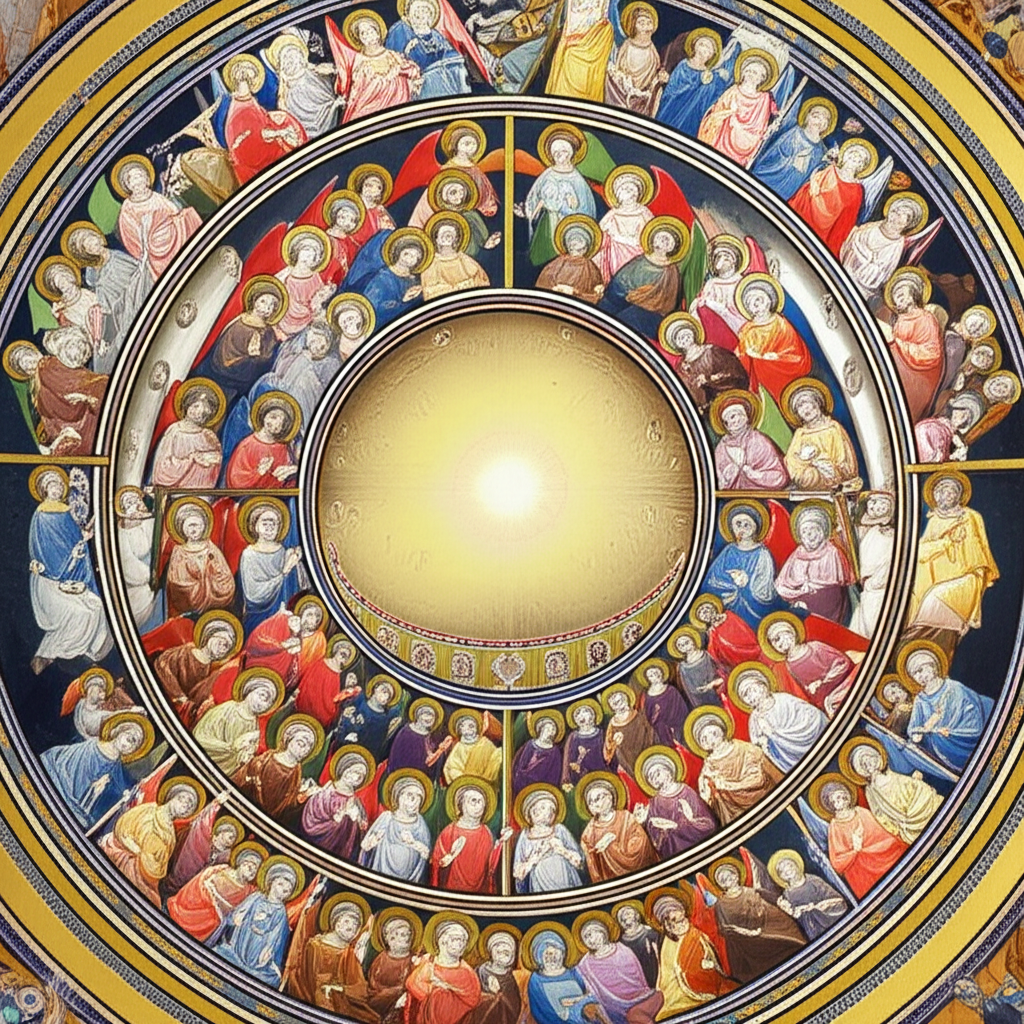
The contemplation of angelic immortality thus becomes a meditation on the limits and possibilities of being itself, pushing us to consider forms of existence radically different from our own, yet intimately connected to the divine source.
Conclusion: Echoes of Eternity
The immortality of angels is not merely a fanciful notion but a deeply reasoned philosophical and theological position, carefully constructed by some of history's greatest thinkers. It speaks to a universe far more complex and wondrous than our immediate senses perceive, populated by beings whose very existence is a testament to an enduring, incorruptible essence. As we ponder the nature of eternity and the diverse forms of being, the angels stand as powerful symbols of sustained existence, forever reflecting the divine will that brought them into being.
📹 Related Video: ARISTOTLE ON: The Nicomachean Ethics
Video by: The School of Life
💡 Want different videos? Search YouTube for: ""St. Thomas Aquinas on Angels: A Philosophical Explanation""
📹 Related Video: What is Philosophy?
Video by: The School of Life
💡 Want different videos? Search YouTube for: ""The Nature of Angels in Christian Theology | Scholastic Philosophy""