

The Unseen Architect: Imagination as the Wellspring of Art
Art, in its myriad forms, is rarely a mere reproduction of reality. Instead, it is a profound testament to the human capacity for invention, interpretation, and revelation – all born from the fertile ground of our imagination. This capacity to conjure worlds, emotions, and concepts that transcend immediate sensory experience is not just a pleasant diversion; it is the fundamental engine driving all creative expression. From the initial spark of an idea to the intricate weaving of narrative or the bold strokes on a canvas, the mind's ability to imagine is the indispensable prerequisite for art's very existence.
The Philosophical Resonance of Creative Incubation
Throughout the annals of philosophy, thinkers have grappled with the nature of imagination, recognizing its unique power. The Great Books of the Western World offer a rich tapestry of perspectives, from Plato’s concern with art as an imitation of an imitation, suggesting a distance from ultimate truth, to later philosophers who elevated the artist's creative act. Yet, even in Plato's critiques, the power of the artist to imagine and represent, albeit imperfectly, was implicitly acknowledged. Aristotle, in his Poetics, delves into mimesis not as mere copying, but as a creative act of structuring and universalizing human experience – an act deeply rooted in the imaginative faculty to foresee possibilities and arrange elements into a coherent whole.
Later, figures like Kant explored the "free play" of understanding and imagination in aesthetic judgment, recognizing that our appreciation of beauty stems from this internal dynamic, where the mind actively engages with what is presented, often completing or extending it through its own imaginative power. This lineage underscores a consistent theme: that the human mind is not a passive receptacle but an active forge, perpetually shaping and reshaping reality through its imaginative capacity.
Imagination: The Architect of Worlds and Emotions
The imagination is far more than simple fantasy; it is a sophisticated cognitive function that allows us to:
- Synthesize: Combine disparate elements of experience into novel configurations.
- Anticipate: Project future possibilities, both positive and negative.
- Empathize: Step into the shoes of another, feeling their joy or sorrow.
- Innovate: Conceive of solutions, designs, and forms that have never existed.
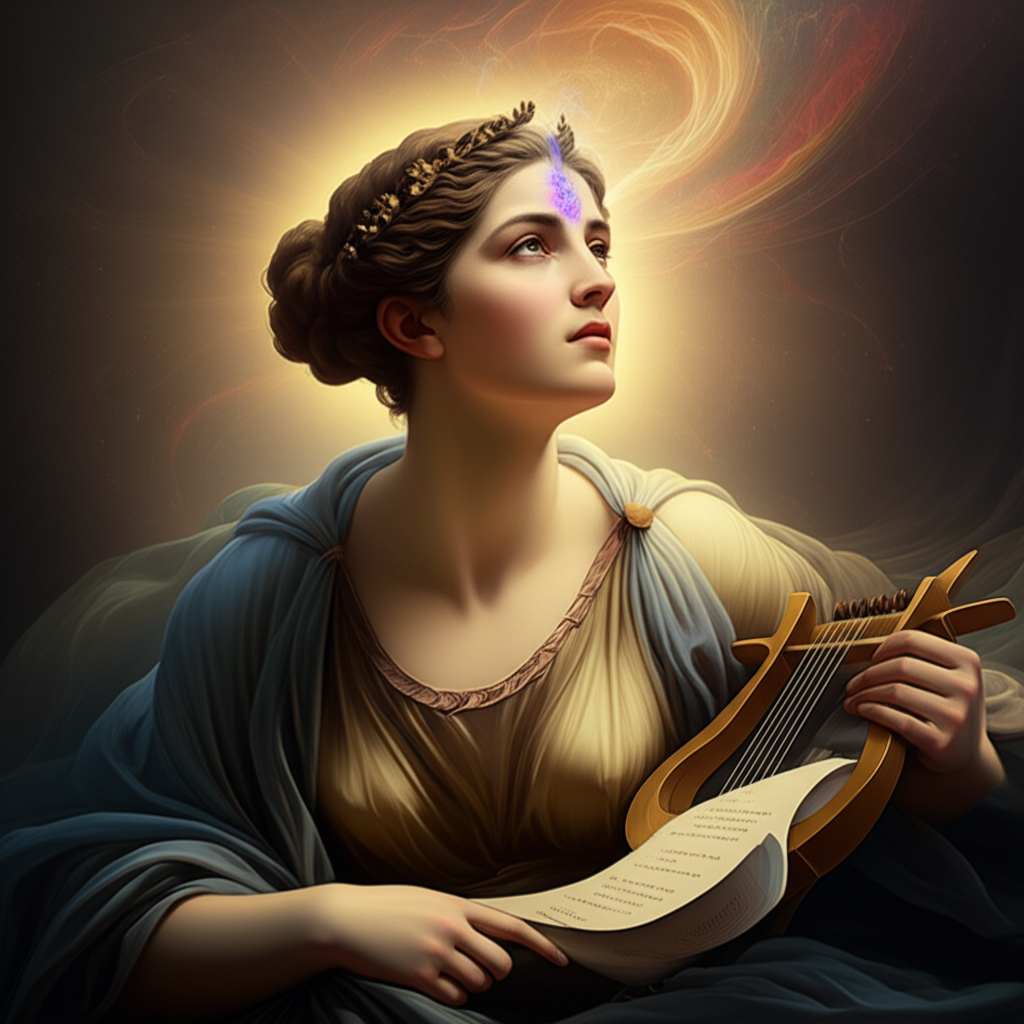
It is this profound ability that permits the playwright to envision a dialogue never spoken, the composer to hear a symphony never played, and the painter to see a landscape never truly observed. Art, in essence, is the external manifestation of these internal visions, a bridge from the artist's mind to the collective human experience.
The Indispensable Nexus: Memory and Imagination
Crucially, the imagination does not operate in a vacuum. It is deeply intertwined with memory. Far from being a mere retrieval system for past events, memory provides the raw material, the rich sensory data, emotions, and knowledge upon which imagination builds.
Consider the following functions of memory in the imaginative process:
- Recall and Reconfigure: An artist recalls a childhood dream, a vivid sunset, or a poignant conversation. Imagination then takes these fragments, distorts them, combines them, or exaggerates them to create something entirely new. The remembered sensation of cold, for instance, might be re-imagined as the biting wind on an alien planet.
- Pattern Recognition and Abstraction: Memory allows us to recognize patterns in the world. Imagination then abstracts these patterns, applying them to new contexts or breaking them to create disruptive forms.
- Emotional Resonance: Stored emotional memories infuse imaginative constructs with depth and authenticity. An artist draws upon the memory of grief or joy to imbue their characters or compositions with genuine feeling, even if the specific narrative is entirely fictional.
Without the rich archive of memory, the imagination would be impoverished, lacking the nuanced palette required to paint the complex tapestry of human experience. The interplay between memory and imagination is a dynamic dialogue, constantly informing and enriching each other.
Art as a Manifestation of the Inner Mind
Every piece of art is, in a very real sense, a window into the artist's mind. It is the visible, audible, or tangible evidence of an internal landscape, a set of ideas, emotions, and visions that demanded to be externalized. The act of creation is a translation: from the ephemeral, often inchoate stirrings of imagination to the concrete reality of a poem, a sculpture, a piece of music, or a dance.
This process is profoundly personal, yet universally resonant. A painter's mind might conceive of a swirling, starry night, driven by an inner emotional storm, which then manifests as Van Gogh's iconic canvas. A writer's mind might grapple with the nature of good and evil, giving birth to a sprawling epic like Dostoevsky's The Brothers Karamazov. In each case, the art becomes a communicative act, allowing the artist to share a piece of their inner world, their unique imaginative lens, with others.
The Artist's Journey: From Concept to Creation
The journey from an initial imaginative spark to a finished work of art is often arduous, requiring persistence, skill, and a relentless commitment to the vision born in the mind. It involves:
- Conception: The initial flash of imagination, often vague but compelling.
- Elaboration: The mind begins to fill in details, explore possibilities, and structure the imagined world.
- Experimentation: The artist tries different techniques, materials, or approaches to best capture the imaginative vision.
- Refinement: Through a process of trial and error, the art is honed, bringing it closer to the original, often evolving, imaginative ideal.
This iterative process highlights that imagination is not a one-time event but a continuous guiding force, shaping every decision and brushstroke until the art fully embodies the artist's original impulse.
Conclusion: The Enduring Power of the Imaginative Act
Ultimately, the imagination stands as the singular, indispensable source of art. It is the faculty that allows us to transcend the mundane, to envision the impossible, and to give form to the formless. Through its intricate dance with memory and its profound connection to the inner workings of the mind, imagination not only fuels the creative impulse but also enriches human experience, offering new perspectives, eliciting deep emotions, and continually expanding the boundaries of what is known and felt. Without it, our world would be a desolate landscape, devoid of the beauty, meaning, and wonder that art so generously provides.
YouTube Video Suggestions:
-
📹 Related Video: PLATO ON: The Allegory of the Cave
Video by: The School of Life
💡 Want different videos? Search YouTube for: ""Plato's Theory of Art and Mimesis Explained""
2. ## 📹 Related Video: KANT ON: What is Enlightenment?
Video by: The School of Life
💡 Want different videos? Search YouTube for: ""The Philosophy of Imagination: Kant and the Creative Mind""