

Celestial Canvas: The Enduring Idea of the Angel in Art
Angels, those ethereal beings often depicted with wings and an otherworldly glow, have captivated the human imagination for millennia. More than mere figures in religious texts, the idea of the angel has profoundly shaped art across cultures and epochs, serving as a powerful sign and symbol of the divine, the transcendent, and even the human condition. From the early Christian catacombs to contemporary installations, angels in art offer a rich tapestry for philosophical inquiry, reflecting evolving theological understandings, aesthetic sensibilities, and humanity's perennial quest to grasp the unseen. This article explores the multifaceted journey of the angel in artistic expression, examining how these celestial messengers transcend their religious origins to become universal emblems of hope, guidance, awe, and sometimes, profound sorrow.
The Angel as a Sacred Messenger: Early Interpretations in Art and Religion
In its nascent stages, Christian art grappled with depicting the invisible. Early representations of angels were often subtle, focusing on their function rather than their form. Derived from the Greek angelos, meaning "messenger," their primary role in religion was to bridge the gap between the divine and the mortal.
- Biblical Roots: The Old Testament speaks of cherubim guarding Eden, seraphim attending God's throne, and unnamed messengers delivering divine pronouncements. The New Testament features Gabriel announcing Christ's birth and angels ministering to Jesus.
- Early Christian Art: Initially, angels might appear as youthful, robed figures, sometimes without wings, emphasizing their humanity-like appearance when interacting with mortals. As theological understanding deepened, particularly through figures like Dionysius the Areopagite's Celestial Hierarchy, more distinct forms emerged, reflecting the complex orders of angels.
- Symbolic Function: These early depictions were not about realistic portrayal but about conveying a spiritual truth. The angel was a sign and symbol of divine presence, intervention, and cosmic order, grounding abstract theological concepts in visual form for a largely illiterate populace.
Evolution of Form: From Ethereal Guides to Humanized Ideals
As art evolved, so did the representation of the angel. The medieval period saw angels integrated into grand narratives, often depicted within a strict hierarchical structure, reflecting the ordered cosmos envisioned by scholastic philosophers like Thomas Aquinas.
| Period | Key Characteristics of Angelic Depiction | Philosophical/Religious Context |
|---|---|---|
| Byzantine | Stylized, gold backgrounds, ethereal, often with multiple wings (Seraphim). | Emphasized divine majesty, the otherworldly nature of God, and the hierarchical structure of heaven. |
| Medieval | More defined, often with specific attributes (swords for Michael, lilies for Gabriel). | Reinforcement of Church dogma, moral guidance, and the role of angels in salvation history. |
| Renaissance | Humanized, graceful, often youthful, sometimes cherubic, embodying classical beauty. | Shift towards humanism, Neoplatonic ideals of beauty reflecting divine perfection (Plato), angels as conduits for spiritual enlightenment. |
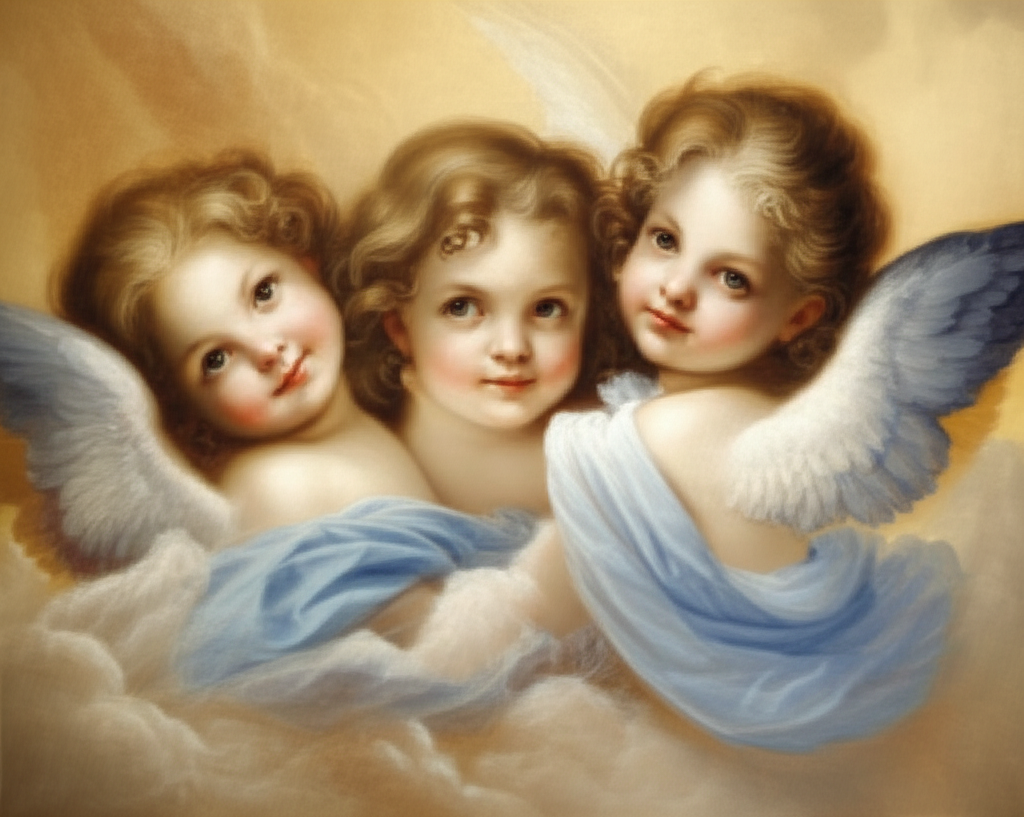
The Renaissance marked a significant turning point. Artists like Botticelli and Raphael imbued angels with a newfound grace and humanity. No longer solely stern messengers, they became figures of exquisite beauty, reflecting a philosophical shift that saw beauty as a pathway to understanding the divine. This era’s angels often embodied an ideal form, a perfection that resonated with Platonic concepts of ultimate reality.
The Angel as a Universal Sign and Symbol Beyond Dogma
While deeply rooted in religion, the idea of the angel transcends specific creeds, emerging as a powerful sign and symbol in broader cultural narratives and secular art.
- Romanticism and the Sublime: In the Romantic era, angels often represented the sublime, the awe-inspiring and terrifying aspects of the divine or the natural world. Figures like William Blake depicted angels as powerful, often tumultuous forces, embodying spiritual struggle and prophetic vision. They became metaphors for human aspiration, longing, and the yearning for transcendence.
- Modern and Contemporary Art: The literal depiction of angels might wane in some modern movements, yet their symbolic presence persists. They can represent inner guides, projections of the subconscious, or even a poignant absence – a longing for spiritual connection in a secular age. An angel might be abstract light, a felt presence, or a metaphorical guardian, reflecting a more introspective and philosophical approach to spirituality.
- Angels of Fallen Grace: Not all angels are benevolent. The idea of the fallen angel, epitomized by Milton’s Lucifer in Paradise Lost, explores themes of free will, rebellion, and the nature of evil. This complex symbolism adds depth, portraying angels not just as divine instruments but as beings capable of profound choice and consequence, mirroring the human struggle between good and evil.
The Enduring Allure: Why Angels Persist in Art
The persistent presence of angels in art speaks to their profound resonance with the human psyche. They embody a range of deeply human experiences and philosophical questions:
- The Desire for Connection: Angels represent a bridge to the unknown, a hope for guidance and protection from a higher power or cosmic order.
- The Search for Meaning: Their existence often points to a purpose beyond the mundane, a grander narrative in which humanity plays a part.
- The Fascination with the Otherworldly: Angels allow art to explore the limits of perception, the nature of spirit, and the beauty of the ineffable.
- Aesthetic Perfection: Regardless of their specific religious context, the angelic form has been a canvas for artists to explore ideals of beauty, grace, and perfection.
Ultimately, the idea of the angel in art is a testament to humanity's enduring need to visualize the invisible, to give form to faith, and to explore the profound questions that lie at the intersection of existence, belief, and imagination. They remain a powerful sign and symbol, eternally fluttering between the heavens and the earth, inviting us to look beyond what we see and ponder what might be.
📹 Related Video: PLATO ON: The Allegory of the Cave
Video by: The School of Life
💡 Want different videos? Search YouTube for: ""Angels in Art History Documentary""
📹 Related Video: PLATO ON: The Allegory of the Cave
Video by: The School of Life
💡 Want different videos? Search YouTube for: ""Plato's Forms and Renaissance Art""