

The Measured Hand: Why the Idea of Temperance is Indispensable in Politics
In an age of passionate rhetoric and often unbridled ambition, the idea of temperance might seem an quaint relic, a whispered suggestion from a bygone era. Yet, as we delve into the wisdom preserved within the Great Books of the Western World, we discover that temperance is not merely a personal virtue but a foundational principle for sound government, a quiet strength capable of steering the ship of state through turbulent waters. Far from being a call to austerity, temperance in politics is a profound commitment to balance, foresight, and a disciplined pursuit of the common good, actively safeguarding against the pitfalls of vice.
The Ancient Roots of a Political Ideal
The concept of temperance, or sophrosyne in ancient Greek, finds its earliest and most profound expressions in the philosophical inquiries of Plato and Aristotle. For them, it was a cardinal virtue, signifying self-control, moderation, and a harmonious ordering of one's desires and appetites. It was the inner discipline that prevented excess, whether in pleasure, anger, or ambition.
- Plato's Vision: In The Republic, Plato envisioned a just state mirroring a just soul. Just as the rational part of the soul must govern its spirited and appetitive parts, so too must the wise rulers (philosopher-kings) exercise temperance to ensure the state's harmony. Without this, the state would devolve into a tyranny of desires.
- Aristotle's Golden Mean: Aristotle, in his Nicomachean Ethics, defined virtue as a mean between two extremes of vice. Temperance, then, was the golden mean between insensibility (deficiency) and self-indulgence (excess). Applied to the polis, this meant a government that avoided both apathy and overreach, seeking the right measure in policy and action.
The idea was clear: a polity composed of temperate citizens and led by temperate rulers would be stable, just, and enduring.
From Individual Virtue to Government Imperative
While initially conceived as an individual characteristic, the philosophers of old quickly recognized the critical role temperance plays when scaled up to the level of government. A state, after all, is a collective entity, and its character often reflects the aggregate or dominant tendencies of its people and, crucially, its leaders.
The Dangers of Political Intemperance
When temperance is absent from the political arena, various forms of vice tend to flourish, leading to instability and injustice. Consider the following:
| Vice Manifestation | Description | Impact on Government |
|---|---|---|
| Excessive Ambition | Unchecked desire for power, leading to authoritarianism or demagoguery. | Erosion of democratic institutions, suppression of dissent. |
| Fiscal Profligacy | Undisciplined spending, accumulating debt without regard for future generations. | Economic instability, intergenerational burden, loss of public trust. |
| Ideological Extremism | Rigid adherence to a single viewpoint, unwillingness to compromise or consider alternative perspectives. | Political polarization, legislative gridlock, inability to address complex issues. |
| Populist Overreach | Appealing to immediate popular desires without considering long-term consequences or minority rights. | Tyranny of the majority, erosion of rule of law, short-sighted policies. |
| Corruption & Self-Interest | Using public office for personal gain or the benefit of a select few. | Undermining public trust, misallocation of resources, injustice. |
A government lacking temperance is prone to these vices, leading to cycles of boom and bust, conflict, and ultimately, a loss of legitimacy.
Temperance in Action: A Measured Approach to Governance
What does political temperance look like in practice? It is not about inaction or timidity, but about deliberate action guided by reason and a broad perspective.
- Prudence in Policy-Making: A temperate government engages in careful deliberation, weighing consequences, seeking diverse counsel, and avoiding hasty decisions driven by immediate pressures or emotional responses. It understands that grand visions require incremental, sustainable steps.
- Fiscal Responsibility: This involves judicious management of public resources, balancing current needs with future obligations, and resisting the temptation to promise everything to everyone. It's about sustainable economic practices.
- Moderation in Power: Leaders exhibiting temperance understand the limits of their authority and respect the checks and balances inherent in a well-ordered system. They resist the urge to consolidate power or override established norms for short-term gains.
- Respect for Dissent and Dialogue: A temperate political culture fosters open debate and the respectful exchange of ideas, recognizing that no single faction holds a monopoly on truth. It values compromise and consensus-building over confrontation.
- Patience in Reform: While recognizing the need for change, temperance dictates that reforms should be carefully planned, implemented gradually, and evaluated for their long-term impact, rather than being rushed through.
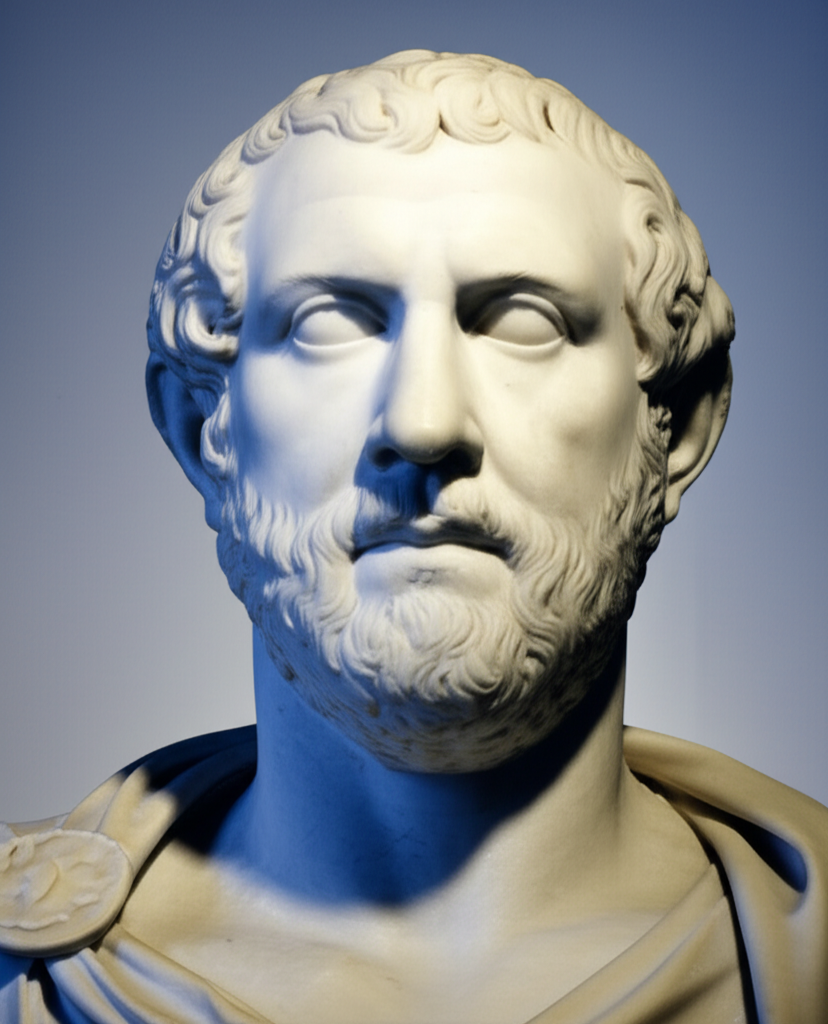
The Enduring Idea
In our complex world, where political discourse often leans towards the extreme and the immediate, the idea of temperance offers a powerful counter-narrative. It reminds us that true strength in government lies not in unbridled power or popular appeal, but in disciplined self-restraint, foresight, and a steadfast commitment to the common good. It is the quiet wisdom that allows a society to endure, to adapt, and to flourish, by steering clear of the seductive allure of political vice and embracing the enduring power of virtue.
YouTube Video Suggestions:
- Plato's Republic: The Virtue of Sophrosyne in Governance
- Aristotle on Virtue Ethics and the Golden Mean in Political Leadership
📹 Related Video: What is Philosophy?
Video by: The School of Life
💡 Want different videos? Search YouTube for: "The Idea of Temperance in Politics philosophy"