

The Idea of Temperance in Politics
Summary: In the intricate dance of governance, the idea of temperance emerges as a crucial philosophical cornerstone. Far from mere moderation, it represents a profound self-mastery and balance essential for both individual flourishing and the stability of the state. This article explores how this cardinal virtue, contrasting sharply with its associated vice, has been understood from classical antiquity as indispensable for sound government and a just society.
The Enduring Appeal of Temperance in Public Life
The clamor of modern politics often drowns out the quieter, yet profoundly significant, voices of philosophical wisdom. Among these, the idea of temperance stands as a beacon, guiding us toward a more reasoned and sustainable approach to public life. But what exactly is temperance, and why should we, in the 21st century, concern ourselves with a concept so deeply rooted in ancient thought?
For thinkers like Plato and Aristotle, whose works form the bedrock of the Great Books of the Western World, temperance (sophrosyne in Greek) was more than just a polite suggestion; it was a fundamental virtue. It wasn't about abstaining from all pleasures, but rather about exercising rational control over desires, ensuring that they serve, rather than rule, the individual and, by extension, the collective. This ancient wisdom posits that without such self-mastery, both individuals and the government they form are susceptible to chaos and corruption.
Defining Temperance: A Virtue and its Vice
At its core, temperance is the virtue of self-control, moderation, and prudence in action and desire. It is the harmonious ordering of the soul, where reason guides the appetites and passions. It’s not about absence, but about appropriate measure.
- Temperance as a Virtue:
- Self-Mastery: The conscious ability to control one's impulses, desires, and emotions, rather than being controlled by them.
- Balance and Harmony: Striking a middle ground, avoiding extremes of excess or deficiency in all aspects of life.
- Prudence: Exercising practical wisdom and foresight in decision-making, considering long-term consequences over immediate gratification.
- Internal Order: Bringing one's internal world into a coherent and functional whole, allowing for clear thought and ethical action.
Conversely, the absence or neglect of temperance leads to its corresponding vice: intemperance. Intemperance manifests as a lack of control, an indulgence in desires without regard for reason, consequence, or the common good. In the political sphere, these vices can be particularly destructive, leading to a host of societal ills. Examples include avarice, unchecked ambition, gluttony for power, and a general disregard for restraint.
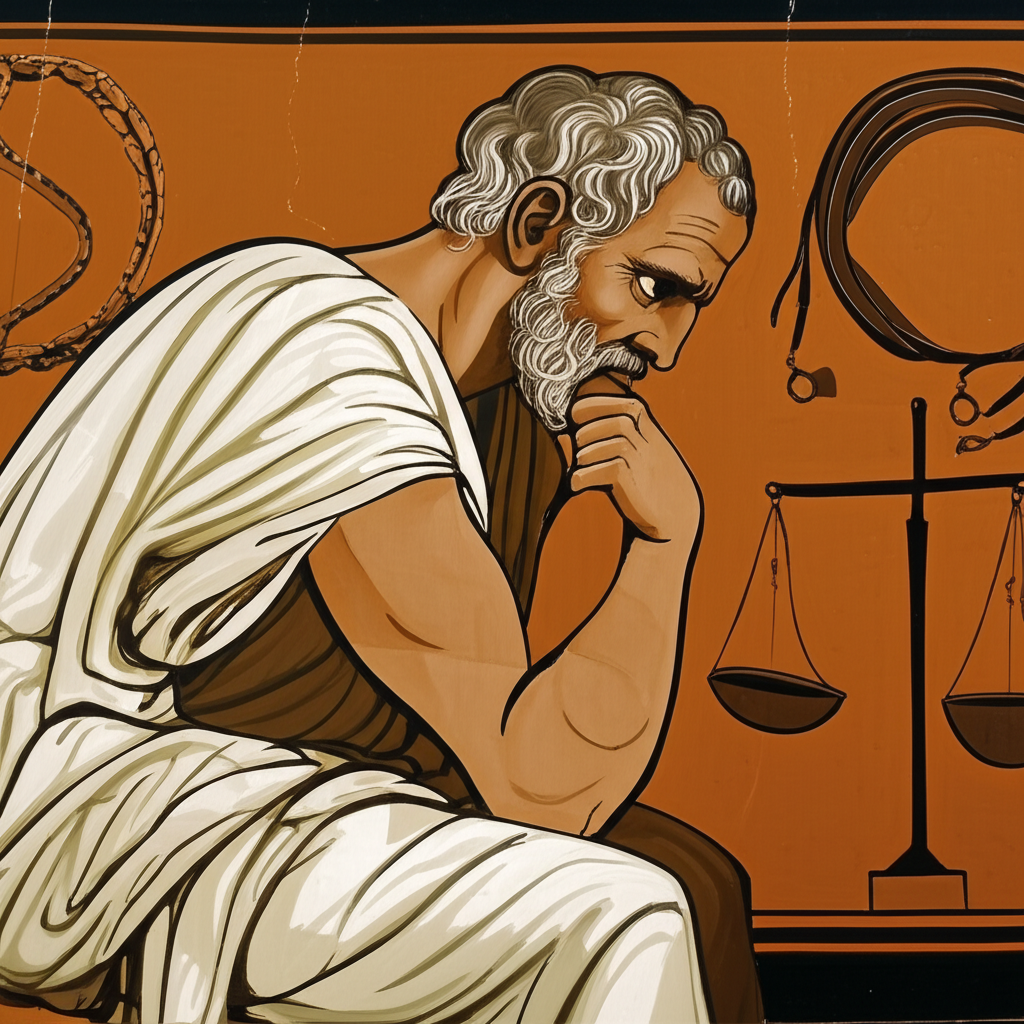
From Individual Soul to the Body Politic: Temperance in Government
The classical philosophers recognized a profound analogy between the individual soul and the state. Just as a temperate individual possesses an ordered inner life, so too should a temperate government embody balance, self-control, and rational decision-making. The idea is that the health of the state is a reflection of the virtues of its citizens and leaders.
| Aspect | Individual Temperance | Political Temperance (Government) |
|---|---|---|
| Control | Mastery over personal desires and impulses | Restraint in the exercise of power and authority; adherence to law and ethics |
| Balance | Harmonious integration of reason, spirit, and appetite | Equitable distribution of resources, rights, and responsibilities among citizens |
| Prudence | Foresight in personal choices and actions | Long-term vision in policy-making, avoiding hasty, self-serving decisions |
| Justice | Fair treatment of oneself and others | Upholding the rule of law and protecting all citizens' rights impartially |
When a government operates with temperance, it avoids the pitfalls of extremism. It seeks consensus over coercion, prioritizes the common good over partisan interests, and exercises power with a sense of responsibility rather than unchecked ambition. The idea here is not to stifle progress or innovation, but to ensure that such advancements are pursued within a framework of ethical consideration and societal well-being.
The Perils of Political Intemperance
History is replete with examples of what happens when the idea of temperance is abandoned in politics. Unbridled ambition, insatiable greed, and a thirst for absolute power are all forms of political intemperance that have led to devastating consequences.
- Corruption: When leaders lack self-control and are driven by personal gain, they become susceptible to bribery, nepotism, and other forms of public trust betrayal.
- Tyranny: The unchecked desire for power can lead to the suppression of liberties, the abuse of authority, and the subjugation of the populace.
- Factionalism and Extremism: Without a temperate approach, political discourse devolves into uncompromising battles, polarizing society and hindering effective government.
- Unsustainable Policies: Hasty decisions driven by short-term gains, emotional appeals, or populist pressures, rather than rational foresight, often lead to long-term societal and economic instability.
The lack of temperance in a government can erode the very foundations of democracy, replacing reasoned debate with emotional appeals and principled leadership with self-serving opportunism.
Cultivating Temperance in Modern Governance
How can we foster the idea of temperance in contemporary political life? It's a challenge, certainly, but one that begins with a renewed appreciation for philosophical principles and intentional action.
- Ethical Leadership: Promoting leaders who demonstrate personal integrity, humility, and a steadfast commitment to public service over personal gain or partisan advantage.
- Robust Institutions: Designing governmental structures with strong checks and balances that inherently limit the potential for intemperance and abuse of power, fostering accountability.
- Civic Education: Educating citizens on the importance of virtues like temperance, critical thinking, and responsible civic engagement, enabling them to demand temperate governance.
- Deliberative Discourse: Encouraging political dialogue that prioritizes reasoned argument, empathy, and the search for common ground over ideological rigidity and personal attacks.
- Transparency and Accountability: Ensuring mechanisms are in place to hold those in power accountable for their actions, fostering a culture of responsibility and trust.
The pursuit of temperance in government is an ongoing endeavor, requiring constant vigilance and a commitment to the foundational virtues that underpin a just society.
📹 Related Video: PLATO ON: The Allegory of the Cave
Video by: The School of Life
💡 Want different videos? Search YouTube for: "Plato's Republic Temperance, Aristotle Nicomachean Ethics Virtue Politics"
Conclusion: A Timeless Virtue for Timely Challenges
The idea of temperance in politics, far from being an antiquated notion, remains profoundly relevant. It reminds us that true strength in government does not lie in unbridled power or limitless ambition, but in the disciplined exercise of authority, guided by reason and a commitment to the common good. As we navigate the complexities of the modern world, rediscovering and championing this essential virtue is not merely an academic exercise; it is a practical necessity for building a more stable, just, and humane political future. The wisdom gleaned from the Great Books of the Western World continues to offer invaluable insights, urging us to seek balance, practice self-control, and temper our political passions for the benefit of all.