

The Enduring Idea of Temperance in Political Life
The concept of temperance, often relegated to personal ethics, holds profound and often overlooked significance within the realm of politics and government. Far from being a mere individual restraint, the idea of temperance, or sophrosyne as the Greeks knew it, emerges from the pages of the Great Books of the Western World as a foundational virtue essential for the stability, justice, and longevity of any political community. This article explores how temperance, understood as a balanced self-mastery and moderation, acts as a crucial antidote to the vice of excess, guiding both leaders and citizens towards a more harmonious and effective political existence.
Temperance: An Ancient Virtue, A Modern Necessity
At its core, temperance is the idea of self-control, the mastery of one's desires and appetites. It is not abstinence, but rather a wise discernment of what is appropriate and sufficient. For Plato, in his Republic, temperance is the harmony that permeates the entire state, much like it brings order to the individual soul. It is the agreement among all parts about who should rule and who should be ruled. Aristotle, in his Nicomachean Ethics, positions temperance as a mean between two extremes: insensibility (a deficiency of pleasure) and intemperance (an excess of pleasure). It is a rational disposition, choosing the right amount at the right time.
This ancient idea of balance is not just about personal restraint; it's about the very equilibrium of a society. Without it, both individuals and institutions are prone to vice – to overreach, to greed, to impulsive decisions that undermine long-term well-being. The political application of temperance suggests a government that understands its limits, acts with prudence, and prioritizes the common good over partisan excess or individual ambition.
Understanding Virtue and Vice in the Political Sphere
When we consider virtue and vice in politics, temperance stands out as a bulwark against the destructive forces of unchecked power and insatiable ambition. A government lacking temperance might engage in unsustainable spending, reckless foreign policy, or the oppression of its citizens through excessive force or legislation. Conversely, a temperate government would demonstrate:
- Prudent Decision-Making: Weighing long-term consequences over short-term gains.
- Fiscal Responsibility: Managing public resources with care, avoiding excessive debt or wasteful expenditure.
- Balanced Governance: Respecting checks and balances, avoiding the concentration of power, and ensuring fair representation.
- Respect for Law: Adhering to constitutional principles and legal frameworks, rather than bending them to suit immediate desires.
The absence of temperance often manifests as political vice, leading to instability and injustice. Consider the historical examples of empires collapsing under the weight of their own extravagance, or demagogues rising to power by appealing to the unbridled desires of the populace.
Political Vices Arising from Intemperance:
| Aspect of Intemperance | Political Manifestation | Consequence |
|---|---|---|
| Excessive Ambition | Unchecked power grabs, authoritarianism, disregard for law | Tyranny, erosion of rights, political instability |
| Greed/Corruption | Misuse of public funds, cronyism, bribery | Public distrust, economic inequality, social unrest |
| Impulsivity | Rash policy decisions, short-sighted legislation | Unintended negative outcomes, perpetual crises |
| Partisan Extremism | Inability to compromise, demonization of opposition | Gridlock, polarization, breakdown of dialogue |
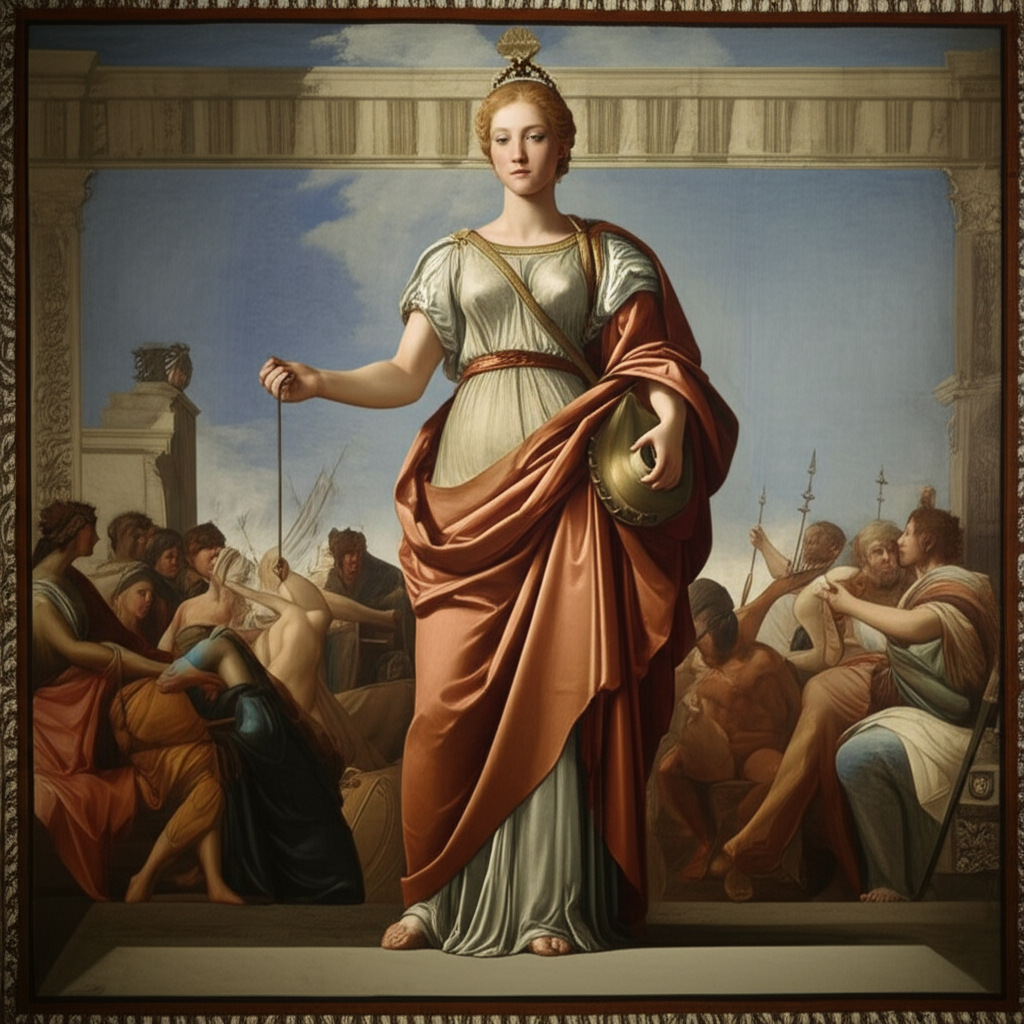
The Idea of Temperate Government
How does the idea of temperance translate into the practicalities of government? It implies a leadership that is not swayed by fleeting passions, popular whims, or personal gain, but by a calm and reasoned pursuit of the common good. This doesn't mean a lack of passion for justice, but rather a disciplined application of that passion.
For citizens, political temperance means exercising their rights responsibly, engaging in civil discourse, and resisting the urge to demand immediate gratification from the state without considering the broader implications. It encourages a mature citizenry capable of self-governance and critical thought, rather than one easily manipulated by sensationalism or fear.
Cultivating Political Temperance: A Continuous Endeavor
The cultivation of political temperance is an ongoing challenge. It requires a commitment to education, critical thinking, and ethical leadership. It demands that we, as individuals and as a collective, reflect on the vice of excess and strive for the virtue of balance in all our political dealings. The Great Books of the Western World consistently remind us that societies thrive not merely on laws and institutions, but on the moral character of their people and their leaders. The idea of temperance, therefore, is not an outdated notion but a timeless principle for building and maintaining a just and sustainable political order.
YouTube:
- "Plato's Republic: Temperance and Justice in the Ideal State"
- "Aristotle on Virtue Ethics: The Golden Mean and Sophrosyne"
📹 Related Video: What is Philosophy?
Video by: The School of Life
💡 Want different videos? Search YouTube for: "The Idea of Temperance in Politics philosophy"