

The Idea of a Just Punishment: A Philosophical Inquiry
The concept of justice in the realm of punishment is one of philosophy's most enduring and complex challenges. What does it truly mean for a punishment to be "just"? This article delves into the fundamental idea of justice as it applies to punitive measures, exploring how thinkers throughout history, from the ancient Greeks to the Enlightenment, have grappled with the purpose and nature of punishment within the framework of law. We will examine the core theories that underpin our understanding of retribution, deterrence, and rehabilitation, ultimately revealing the intricate relationship between law and morality in the quest for a truly equitable system.
Unpacking the Idea of Justice in Punishment
At its heart, the idea of a just punishment forces us to confront fundamental questions about human nature, societal order, and the role of the state. Is punishment primarily about exacting retribution for a wrong committed? Or should its focus be on preventing future harms, rehabilitating offenders, or even repairing the damage done to victims and communities? The answers, as we shall see, are rarely simple and often depend on the philosophical lens through which one views the world.
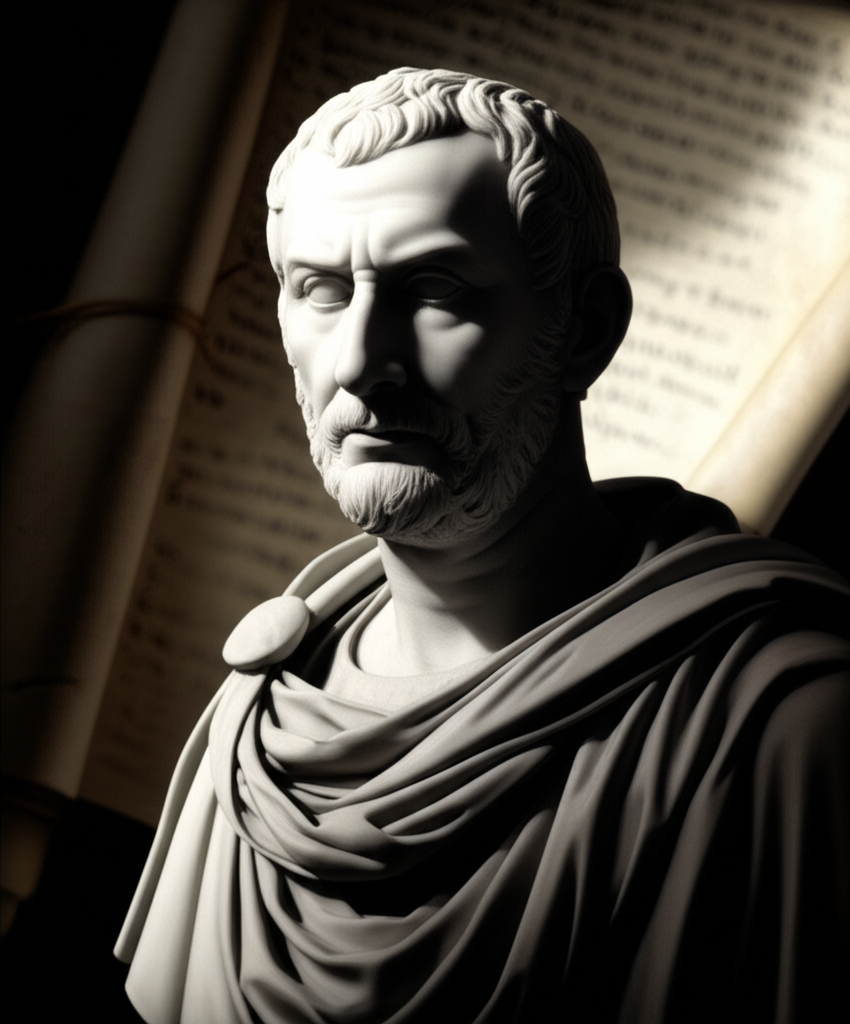
Ancient Foundations: Plato, Aristotle, and the Pursuit of Order
The Great Books of the Western World offer a rich starting point for this inquiry. In Plato's Republic, the discussion of justice often veers towards the ideal state and the harmonious soul, implying that punishment should aim to correct and educate, bringing the individual back into alignment with the good. It’s less about vengeance and more about restoring balance.
Aristotle, in his Nicomachean Ethics, distinguishes between different forms of justice, particularly distributive justice (fair allocation of resources) and corrective (or retributive) justice. For Aristotle, corrective justice seeks to rectify an imbalance caused by a wrong. If someone gains unjustly, punishment aims to restore equality by taking away that gain, emphasizing proportionality. The idea here is not merely to inflict suffering but to restore a prior state of fairness.
- Plato's Perspective: Punishment as a tool for moral improvement and societal harmony.
- Aristotle's Perspective: Punishment as a means to restore balance and rectify wrongs, emphasizing proportionality.
The Enlightenment's Challenge: Reason, Rights, and the Social Contract
The Enlightenment period brought a radical shift, grounding punishment in reason and the emerging idea of individual rights. Thinkers like John Locke posited that in a state of nature, individuals have the right to punish those who transgress the law of nature. However, with the social contract, this right is delegated to the state, which then acts as the impartial arbiter.
Beccaria's Utilitarian Turn
Cesare Beccaria's On Crimes and Punishments (1764) was a groundbreaking work that fundamentally reshaped the idea of just punishment. Beccaria argued fiercely against arbitrary and cruel punishments, advocating for a system based on utilitarian principles:
- Deterrence: Punishment should be swift, certain, and proportionate to the crime, primarily to deter others.
- Proportionality: The severity of the punishment should not exceed what is necessary to deter.
- Publicity: Laws and punishments must be clearly defined and publicly known.
- Against Capital Punishment: Beccaria famously argued against the death penalty, seeing it as both ineffective and a violation of the social contract.
Beccaria's work championed the idea that punishment is a necessary evil, justified only by its ability to prevent greater evils for society.
Kant's Retributive Imperative
Immanuel Kant, a towering figure of the Enlightenment, offered a starkly different idea of just punishment. For Kant, punishment is not about utility or deterrence but about retribution – a moral imperative. In his Metaphysics of Morals, he argues that a person is punished not because it will achieve some good, but because they have willed a wrong and thus deserve it.
Kant's categorical imperative dictates that individuals should be treated as ends in themselves, not merely as means to an end. Therefore, using punishment solely for deterrence (i.e., using the offender as a means to deter others) would be morally wrong. Punishment is a matter of justice and desert, an "eye for an eye" not out of vengeance, but out of a recognition of the moral balance that must be restored.
Modern Theories of Just Punishment
The tension between utilitarian and retributive ideas continues to shape contemporary debates.
| Theory of Punishment | Primary Focus | Justification | Key Proponents (Historical) |
|---|---|---|---|
| Retributive | Past Act | Deserved | Kant, Hegel, Ancient Law |
| Utilitarian | Future Good | Consequence | Beccaria, Bentham, Mill |
| Rehabilitative | Offender | Reform | Plato (implicit), Modern penology |
| Restorative | Harm/Community | Repair | Modern movements |
The Role of Law in Administering Justice
The law is the societal mechanism through which the idea of justice is translated into practice. It defines crimes, prescribes punishments, and establishes the procedures for determining guilt and administering sentences. However, the law is a human construct, imperfect and subject to interpretation. The challenge lies in ensuring that the law truly embodies the philosophical idea of justice, rather than merely reflecting power dynamics or transient social norms.
The law seeks to:
- Define Offences: Clearly articulate what constitutes a transgression against the social contract.
- Prescribe Sanctions: Establish a range of punishments for each offense, aiming for proportionality.
- Ensure Due Process: Guarantee fair trials and protect individual rights during the punitive process.
Yet, debates persist: Does the law always achieve its goal of just punishment? Are mandatory minimum sentences truly just? Does a focus on incarceration truly rehabilitate, or does it merely incapacitate?
The Enduring Quest for a Just System
The idea of a just punishment remains an active and evolving field of inquiry. From the ancient philosophical dialogues concerning the nature of right and wrong to modern discussions on criminal justice reform, the core questions persist. How do we balance the need for social order with individual liberty? How do we ensure that punishment is both effective and morally defensible? The Great Books remind us that these are not new questions, but rather timeless challenges that demand continuous philosophical engagement and ethical reflection.
YouTube: "Kant's Theory of Punishment"
YouTube: "Beccaria On Crimes and Punishments Summary"
📹 Related Video: What is Philosophy?
Video by: The School of Life
💡 Want different videos? Search YouTube for: "The Idea of a Just Punishment philosophy"