

The Enduring Pursuit: Unpacking the Idea of a Just Constitution
The Idea of a Just Constitution has preoccupied thinkers for millennia, representing humanity's persistent quest for an equitable and stable societal framework. From ancient Greek city-states to modern democracies, the fundamental challenge remains: how to structure governance such that it upholds Law, protects its citizens, and fosters a flourishing community. This article delves into the philosophical underpinnings of this profound concept, drawing insights from the "Great Books of the Western World" to illuminate the multifaceted nature of a truly just political order.
The Philosophical Quest for Order
At its heart, the pursuit of a Just Constitution is a philosophical endeavor, rooted in the understanding of human nature and the purpose of collective living. It asks not merely how societies are governed, but how they ought to be governed. This distinction between descriptive and normative approaches is crucial, pushing us beyond mere observation to the realm of ideals, principles, and ethical imperatives. The Idea of a just society, enshrined within its foundational Law, is a blueprint for a better world, a constant beacon guiding political reform and civic engagement.
Foundational Ideas from the Great Books
The "Great Books" offer a rich tapestry of thought on what constitutes a Just Constitution, each thinker adding layers to this complex Idea.
Plato's Republic: Justice as Harmony
Plato, in his seminal work The Republic, presents an Idea of justice not as a set of external laws, but as an internal harmony within the soul and, by extension, within the state. His just constitution is an aristocracy ruled by philosopher-kings, individuals whose reason has mastered their appetites and spirits. For Plato, a just society is one where each class (rulers, auxiliaries, producers) performs its proper function, creating a balanced and virtuous whole. The Law in such a state would naturally reflect this inherent order.
Aristotle's Politics: The Science of Governance
Aristotle, Plato's student, takes a more empirical approach in Politics. He meticulously categorizes different forms of constitution (monarchy, aristocracy, polity, and their corruptions: tyranny, oligarchy, democracy) based on who rules and for whose benefit. Aristotle argues that the best practical constitution is often a "mixed regime" or polity, blending elements of oligarchy (rule by the wealthy) and democracy (rule by the many) to achieve stability and prevent extremes. Crucially, he emphasizes the Rule of Law as paramount, stating that "it is more proper that law should govern than any of the citizens." For Aristotle, a just constitution must aim at the common good, not just the good of the rulers.
Locke and the Enlightenment: Rights and Consent
Moving to the Enlightenment, John Locke's Two Treatises of Government profoundly shaped the modern Idea of a Just Constitution. Locke posits a "state of nature" governed by natural Law, where individuals possess inherent rights to life, liberty, and property. Government is formed through a social contract by the consent of the governed, primarily to protect these natural rights. A Just Constitution for Locke is therefore one that is limited in its power, accountable to the people, and founded on the principle of individual freedom. Any Law that infringes upon these fundamental rights is illegitimate.
Rousseau and the General Will: Popular Sovereignty's Promise
Jean-Jacques Rousseau, in The Social Contract, introduces the powerful Idea of the "general will." For Rousseau, a Just Constitution is one where individuals surrender their particular wills to the collective "general will," which always aims at the common good. This concept underpins popular sovereignty, where the people are the ultimate source of all Law and authority. While deeply influential, Rousseau's Idea has also sparked debate regarding the potential for tyranny of the majority and the protection of individual liberties within such a framework.
Core Principles of a Just Constitution
Despite their differences, these foundational thinkers, alongside later figures like Montesquieu (separation of powers) and the American Founders, reveal recurring principles essential to the Idea of a Just Constitution:
- The Rule of Law: No one, not even the ruler, is above the Law. Law must be applied equally and predictably.
- Protection of Fundamental Rights: Safeguarding inherent human dignities and freedoms (e.g., speech, assembly, property).
- Accountability and Transparency: Those in power must be answerable for their actions, and governmental processes should be open to scrutiny.
- Equitable Representation: Mechanisms for citizens to participate in governance, ensuring their voices are heard and interests considered.
- Justice (Distributive and Retributive): The fair allocation of resources and opportunities, and the impartial application of penalties for wrongdoing.
- Adaptability: The capacity for the constitution to evolve and respond to changing societal needs without sacrificing core principles.
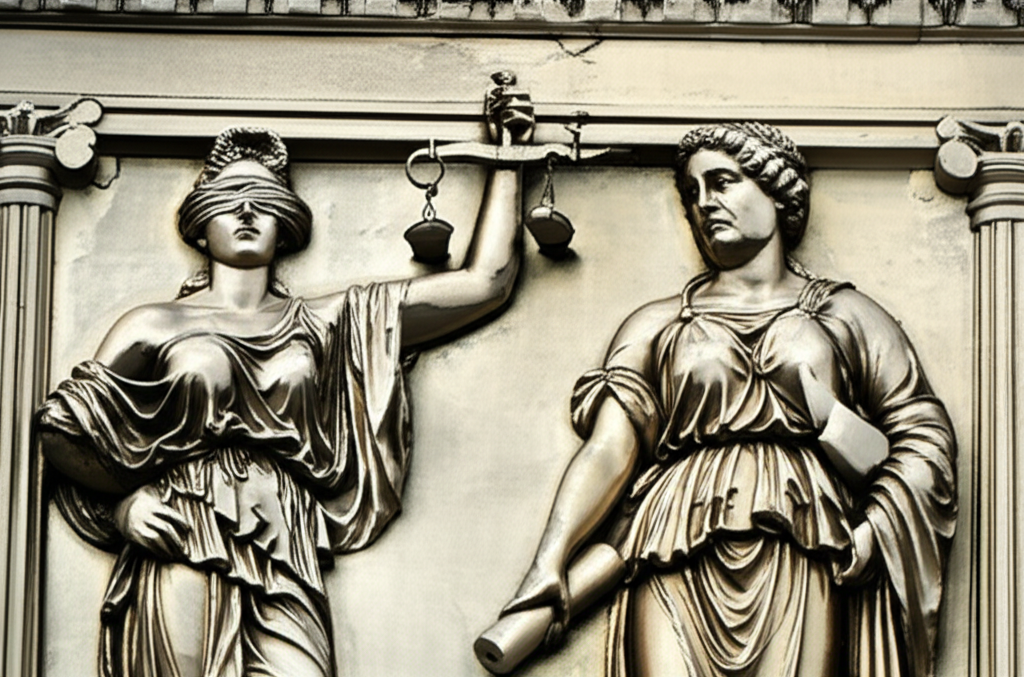
The Dynamic Nature of "Just": An Evolving Idea
It is crucial to understand that the "just" in a Just Constitution is not a static blueprint. It is a dynamic, evolving Idea, constantly debated and reinterpreted through history. What was considered just in Plato's Athens differs significantly from modern democratic ideals, yet the underlying quest for order, fairness, and the common good persists. The ongoing dialogue, the challenge to existing norms, and the striving for a more perfect union are all part of the perpetual construction of this Idea.
Law as the Embodiment of Justice
Ultimately, the Law serves as the practical embodiment of a society's Idea of a Just Constitution. Constitutional law, statutory law, and common law are the instruments through which philosophical principles are translated into actionable rules and enforceable rights. A just legal system is one that reflects the constitutional ideals, ensures due process, and provides avenues for redress when injustices occur. The integrity of the Law is, therefore, inextricably linked to the justice of the constitution it serves.
Conclusion: The Perpetual Dialogue
The Idea of a Just Constitution remains one of philosophy's most profound and practical contributions. It is a testament to humanity's enduring aspiration for a society where power is wielded responsibly, rights are protected, and the common good is pursued. Drawing from the wisdom of the "Great Books," we recognize that while the specific forms may change, the underlying principles of justice, fairness, and the Rule of Law continue to guide our efforts to build and refine the fundamental Law of our collective lives. This is not a destination, but a perpetual dialogue, a continuous striving for a more just world.
YouTube Suggestions:
-
📹 Related Video: PLATO ON: The Allegory of the Cave
Video by: The School of Life
💡 Want different videos? Search YouTube for: ""Plato's Republic explained justice" or "Aristotle Politics constitutional forms""
2. ## 📹 Related Video: ARISTOTLE ON: The Nicomachean Ethics
Video by: The School of Life
💡 Want different videos? Search YouTube for: ""John Locke social contract theory" or "Rousseau general will explained""