

The Enduring Crown: A Philosophical Journey Through the History of Monarchy
The story of monarchy is arguably the longest and most pervasive narrative in the history of human government. From the earliest tribal chieftains to the constitutional monarchs of today, this ancient form of rule has shaped civilizations, inspired both profound loyalty and fierce rebellion, and undergone continuous change. This article explores the evolution of monarchy, examining its philosophical underpinnings, its varied manifestations, and the forces that have challenged and transformed its very nature, drawing insights from the vast intellectual landscape of the Western tradition.
The Genesis of Kingship: From Primal Authority to Divine Right
The origins of monarchy are deeply rooted in humanity's earliest social structures. As communities grew beyond immediate familial units, the need for centralized authority became paramount. Early monarchs often emerged as charismatic leaders, war chiefs, or spiritual figures, whose power was initially based on prowess, wisdom, or a perceived connection to the divine.
The Dawn of Centralized Government
In nascent societies, the leader's role was often multifaceted: military commander, chief judge, and religious intermediary. This consolidation of power laid the groundwork for the institutionalization of kingship. The transition from temporary leadership to hereditary rule marked a significant shift, establishing a predictable succession that aimed to prevent internal strife and maintain stability. This early form of government was often pragmatic, born out of necessity for order and defense.
Divine Mandate and Absolute Power
As societies became more complex, so did the justifications for monarchical rule. The concept of "divine right" emerged as a powerful legitimizing force, asserting that monarchs derived their authority directly from God, making them answerable only to the divine. This doctrine, prevalent across many cultures and particularly strong in medieval Europe, rendered the king's power absolute and unquestionable by earthly subjects. Thinkers like Jean Bodin articulated sovereignty as indivisible and residing absolutely in the monarch, setting the stage for centuries of autocratic rule.
Philosophical Contests: Justifying and Challenging the Crown
The history of monarchy is also a history of intense philosophical debate regarding its legitimacy, efficacy, and moral implications. From ancient Greece to the Enlightenment, thinkers grappled with the nature of power, the rights of rulers, and the consent of the governed.
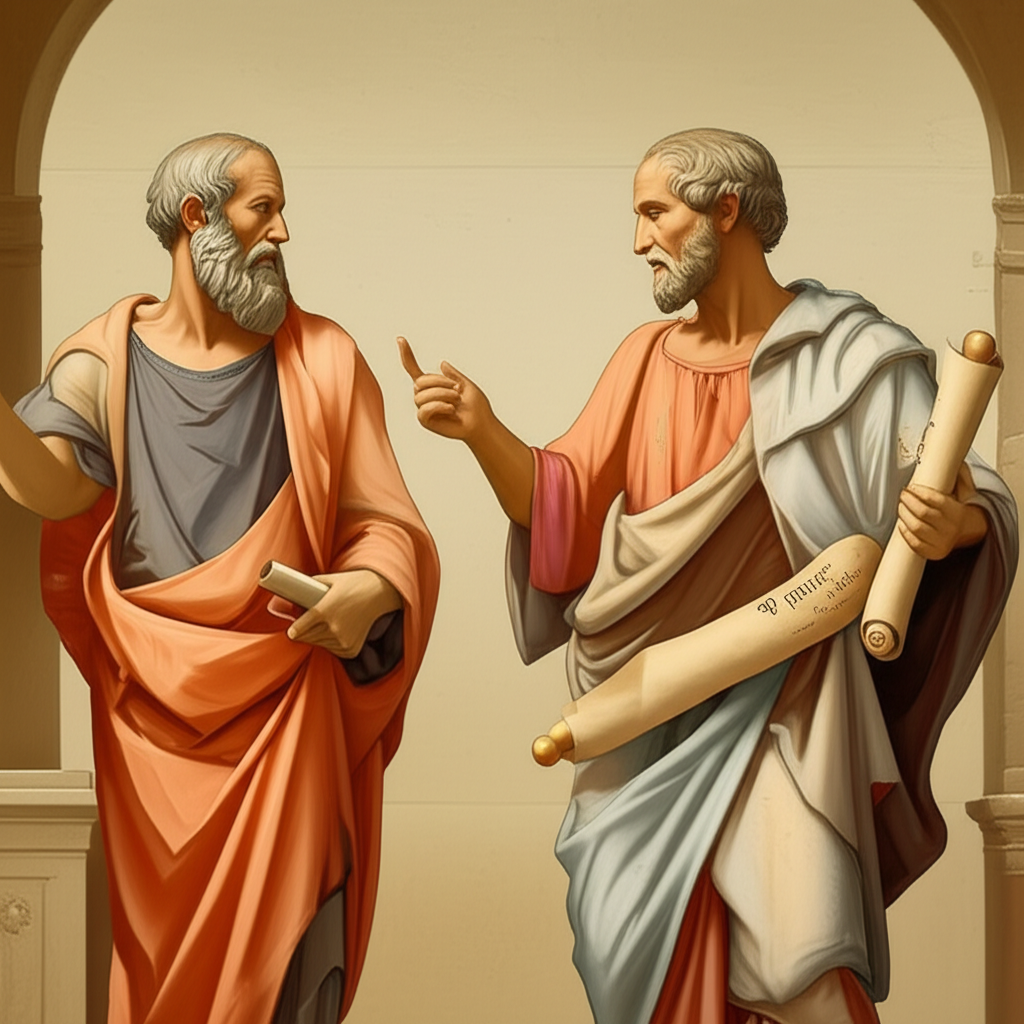
Key Philosophical Perspectives on Monarchy
| Philosopher/Era | Stance on Monarchy | Key Ideas | Impact on Government |
|---|---|---|---|
| Plato | Idealized "Philosopher King" | Believed in rule by the wisest and most virtuous, though acknowledged the degeneration of monarchy into tyranny. | Influenced the concept of enlightened leadership; critiqued unchecked power. |
| Aristotle | Classified Monarchy as a "Good" Form | Distinguished between true monarchy (rule for the common good) and tyranny (rule for self-interest). | Provided a systematic classification of governments, highlighting the importance of the ruler's virtue. |
| Machiavelli | Pragmatic, focused on power acquisition | Advocated for a strong, decisive ruler ("The Prince") capable of maintaining order and stability, even through ruthless means. | Separated politics from morality, emphasizing effective governance over ethical purity. |
| Hobbes | Advocated for Absolute Monarchy | Argued that a powerful sovereign was necessary to escape the "state of nature" and prevent chaos. | Justified absolute power as a means to ensure security and social contract adherence. |
| Locke | Limited Monarchy, Consent of the Governed | Proposed that legitimate government derives from the consent of the people, with inherent natural rights (life, liberty, property) that no monarch can infringe upon. | Laid the groundwork for constitutionalism and modern liberal democracy, challenging absolute rule. |
| Rousseau | Rejected Hereditary Monarchy | Emphasized popular sovereignty and the "general will," seeing hereditary rule as illegitimate. | Fueled revolutionary thought, advocating for republican forms of government. |
These diverse perspectives from the Great Books of the Western World illustrate the constant intellectual tension surrounding monarchy, reflecting society's ongoing struggle to define legitimate authority and the proper scope of government.
The Tides of Change: Reformation, Enlightenment, and Revolution
The foundations of absolute monarchy began to crack under the weight of profound societal and intellectual change. The Reformation challenged the monolithic authority of the Church, indirectly undermining the divine right of kings. The scientific revolution fostered a spirit of inquiry and reason, questioning traditional power structures.
The Shifting Sands of Power
The Enlightenment, in particular, proved to be a crucible for new ideas about government and human rights. Philosophers like Locke and Montesquieu championed concepts such as individual liberty, separation of powers, and the social contract, directly challenging the notion of inherent royal privilege. This intellectual ferment culminated in a series of revolutions—the American, French, and Glorious Revolutions—which fundamentally reshaped the political landscape and demonstrated the popular will for change. These upheavals often led to the overthrow of monarchies or the imposition of constitutional limits on their power, marking a significant turning point in the history of government.
📹 Related Video: KANT ON: What is Enlightenment?
Video by: The School of Life
💡 Want different videos? Search YouTube for: ""Enlightenment thinkers and the challenge to absolute monarchy""
Monarchy in the Modern Era: Adaptation and Symbolic Roles
The 19th and 20th centuries witnessed a dramatic decline in the number of absolute monarchies. The rise of nationalism, democracy, and industrialization further propelled the demand for representative government. However, monarchy did not entirely vanish; instead, it underwent another significant transformation.
Constitutional Monarchies and Symbolic Roles
Many surviving monarchies adapted by becoming constitutional monarchies, where the sovereign's power is largely ceremonial and subject to the law and the will of a democratically elected parliament. Countries like the United Kingdom, Japan, and Sweden exemplify this model, where the monarch serves as a symbol of national unity, tradition, and continuity, while actual political power rests with elected officials. This evolution represents a profound change from the absolute rule of previous eras, allowing monarchy to retain a cultural significance while conforming to modern democratic principles.
The Enduring Legacy of the Crown
The history of monarchy is a testament to humanity's continuous quest for order, authority, and identity. From its earliest forms as a necessary government structure to its modern role as a symbolic head of state, monarchy has been a constant subject of debate, adaptation, and change. Its journey through the ages reflects the evolving philosophical understanding of power, justice, and the relationship between ruler and ruled, reminding us that no form of government is static, and all are subject to the relentless currents of human progress and inquiry.
📹 Related Video: KANT ON: What is Enlightenment?
Video by: The School of Life
💡 Want different videos? Search YouTube for: ""The evolution of constitutional monarchy""