

The Experience of Pleasure and Pain: A Philosophical Inquiry
By Benjamin Richmond
The experience of pleasure and pain stands as one of the most fundamental and inescapable aspects of human existence. From the first cries of an infant to the final moments of life, these twin forces shape our perceptions, drive our actions, and ultimately define much of what it means to be alive. Philosophers throughout history, from the ancient Greeks to modern thinkers, have grappled with their nature, their purpose, and their profound implications for ethics, metaphysics, and our understanding of the Body and Sense. This article delves into these core experiences, exploring how they have been understood, their intricate relationship with our physical being, and their enduring significance in the great tapestry of human thought.
The Primordial Language of the Body: Sense and Experience
At its most basic level, pleasure and pain are signals emanating from our Body, interpreted by our Sense. They are the primordial language through which our physical self communicates with our conscious mind, informing us of our well-being or distress. A warm embrace, the taste of a sweet fruit, the relief after thirst — these register as pleasure. A sharp cut, the gnawing ache of hunger, the burning of a fever — these manifest as pain.
Yet, to reduce them merely to biological signals would be to miss their profound philosophical depth. The experience of pleasure and pain transcends mere sensation; it involves interpretation, memory, expectation, and often, a moral or emotional valence. It is not just what we feel, but how we feel it, and what it means to us.
Unpacking Pleasure: From Sensation to Serenity
What exactly constitutes pleasure? Is it merely the absence of pain, as some Epicureans suggested, or is it a positive state in itself? The Great Books of the Western World offer diverse perspectives:
- Plato's View: For Plato, as explored in dialogues like the Philebus, pleasure is often seen as the filling of a lack, a restoration to a natural state. While some pleasures are purer (intellectual, aesthetic), many bodily pleasures are mixed with pain (e.g., the pleasure of drinking after being thirsty). He often elevates the life of reason above that driven by mere sensual pleasure.
- Aristotle's Eudaimonia: Aristotle, in his Nicomachean Ethics, presents a more integrated view. Pleasure is not a process, but rather a perfect and complete activity, a supervenient quality that completes an excellent activity. It is the natural accompaniment of unimpeded activity, and thus, a life lived virtuously and excellently will naturally be a pleasurable one. For Aristotle, true pleasure is a sign of flourishing (eudaimonia).
- Epicurean Tranquility: Epicurus and his followers sought pleasure as the highest good, but their understanding of it was often misunderstood. For them, true pleasure was ataraxia (freedom from disturbance in the soul) and aponia (freedom from pain in the Body). It was a state of tranquil contentment, achieved through moderation and rational choice, rather than excessive indulgence.
The experience of pleasure, then, can range from fleeting sensory delight to profound intellectual satisfaction, from bodily comfort to spiritual bliss. It is always, however, anchored in our Body and interpreted by our Sense, creating a subjective experience that is uniquely our own.
Confronting Pain: The Inescapable Teacher
If pleasure often beckons us, pain just as often warns or repels. The experience of pain is perhaps even more primal and compelling, demanding our immediate attention and forcing us to confront our vulnerability.
- The Stoic Indifference: Stoic philosophers, notably Epictetus and Marcus Aurelius, taught that while pain is an undeniable sensation, suffering is a choice. They advocated for cultivating indifference to things outside our control, including physical pain. The Body might feel pain, but the rational mind can choose not to be disturbed by it, focusing instead on virtue and reason.
- Augustine's Spiritual Anguish: Saint Augustine, in his Confessions, explores pain not just as a physical sensation but as a profound spiritual and emotional state. He grapples with the pain of loss, regret, and the anguish of separation from God. Here, pain becomes a catalyst for introspection and a path toward spiritual understanding.
The experience of pain forces us to confront limits, both physical and existential. It can be a teacher, a warning, or a profound challenge to our resilience and understanding of the self.
The Interplay: Pleasure, Pain, and the Human Condition
The relationship between pleasure and pain is not merely one of opposition. They are often intertwined, defining each other, and providing context for our experience. The relief from pain can be profoundly pleasurable, just as the absence of expected pleasure can cause a form of pain.
Consider the following distinctions in how philosophers have categorized these core experiences:
| Aspect of Experience | Pleasure | Pain |
|---|---|---|
| Nature | Positive sensation, fulfillment, completion | Negative sensation, distress, deprivation |
| Source | Sensory input, intellectual activity, virtue | Sensory input, injury, illness, psychological |
| Purpose | Indicator of well-being, motivator for action | Warning signal, indicator of harm, teacher |
| Philosophical Goal | Attainment (Epicurus, Aristotle) | Avoidance (Epicurus), Endurance (Stoics) |
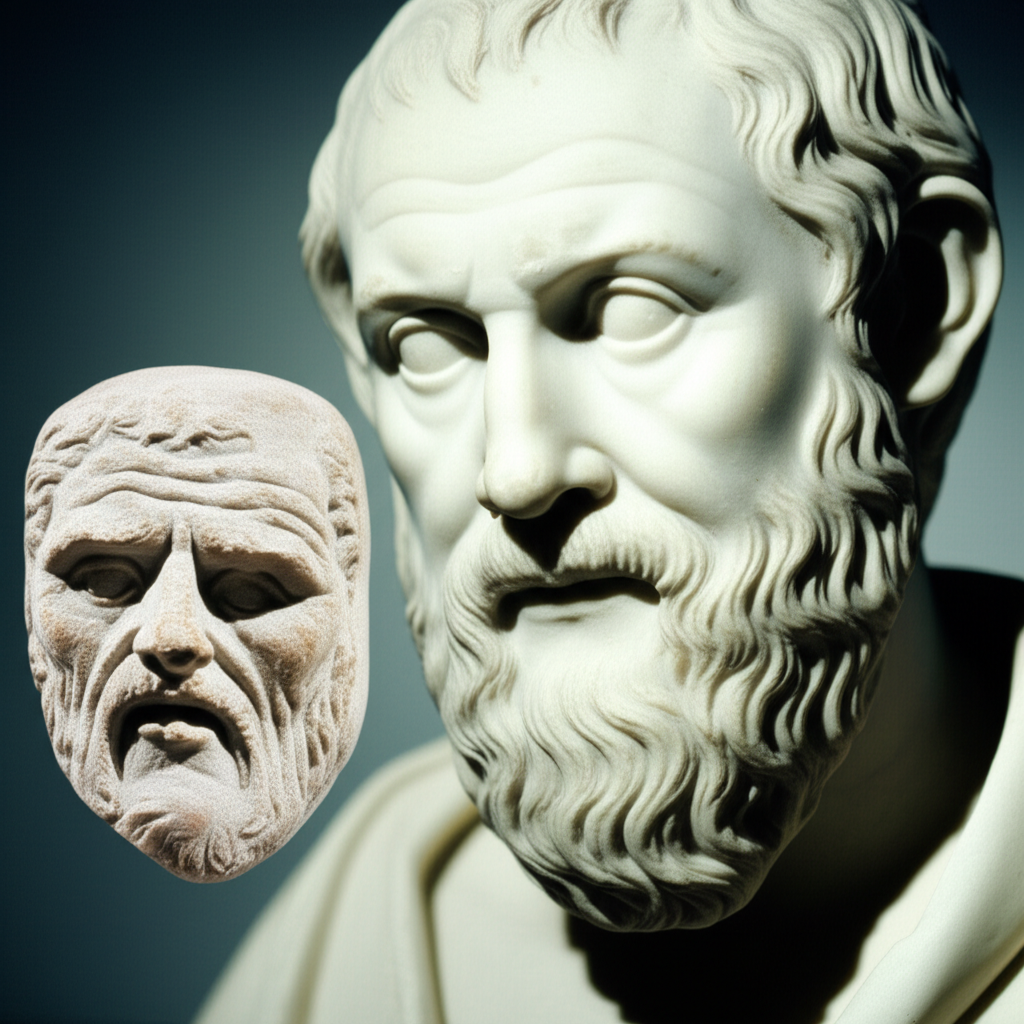
Our moral frameworks are often built upon the pursuit of pleasure and the avoidance of pain. Utilitarianism, for instance, posits that the moral good is that which maximizes pleasure and minimizes pain for the greatest number. Yet, other philosophies challenge this hedonistic calculus, arguing that some pains are necessary for growth, and some pleasures are shallow or detrimental.
The Body and its Sense are the primary conduits for these experiences, but it is the mind that interprets, assigns meaning, and integrates them into our personal narrative. This continuous dialogue between the physical Body, its raw Sense, and our conscious Experience is what makes pleasure and pain such fertile ground for philosophical exploration.
Conclusion: The Enduring Resonance of Feeling
Ultimately, the experience of pleasure and pain is not merely a biological fact but a profound philosophical mystery. They are the twin anchors of our subjective reality, shaping our choices, informing our ethics, and defining our very humanity. To understand them is to understand a fundamental aspect of the human condition, an understanding deepened by the wisdom of the Great Books of the Western World. As we navigate our lives, these powerful forces continue to teach us about resilience, joy, suffering, and the intricate dance between our physical Body and our conscious Sense.
📹 Related Video: What is Philosophy?
Video by: The School of Life
💡 Want different videos? Search YouTube for: ""Ancient Greek Philosophy Pleasure Pain""
📹 Related Video: ARISTOTLE ON: The Nicomachean Ethics
Video by: The School of Life
💡 Want different videos? Search YouTube for: ""Aristotle on Happiness and Pleasure""