

The Intricate Dance of Existence: Unpacking the Experience of Pleasure and Pain
Life, in its most fundamental aspect, is an unending oscillation between states of pleasure and pain. These aren't mere fleeting sensations but profound experiences that shape our perceptions, guide our actions, and define our very being. From the earliest philosophical inquiries to contemporary neurobiology, the nature of these primal forces has captivated thinkers, revealing their central role in ethics, epistemology, and the understanding of the human body and sense. This article delves into the philosophical journey of comprehending pleasure and pain, drawing insights from the venerable texts of the Great Books of the Western World, to illuminate their enduring significance.
The Primal Duality: Pleasure and Pain as Foundational Experiences
At the core of our sentient existence lies the immediate, undeniable experience of pleasure and pain. These are not abstract concepts but vivid, visceral realities that register directly through our sense organs and within our body. They serve as our most basic evaluative tools, signaling what promotes life and what threatens it. A child recoils from a hot stove; a hungry person savors a meal. These are universal truths, yet their interpretation and philosophical weight vary immensely.
Philosophers across millennia have grappled with this duality:
- Ancient Greeks: For Epicurus, pleasure, understood as the absence of pain and mental disturbance (ataraxia), was the highest good. Plato and Aristotle, while acknowledging pleasure's role, placed it within a broader framework of virtue and the good life, often distinguishing between base bodily pleasures and higher intellectual ones.
- Stoics: Advocated for indifference to both pleasure and pain, viewing them as external forces that should not disturb the sage's inner tranquility.
- Medieval Thinkers: Aquinas, drawing from Aristotle, saw pleasure as a natural accompaniment to activity that achieves its proper end, while pain was a sign of deviation or suffering. Both were integrated into a divinely ordered universe.
- Modern Philosophers: Descartes explored the mind-body connection, seeing pain as a clear signal from the body to the mind. Locke categorized pleasure and pain as simple ideas derived from sense experience, forming the building blocks of more complex thoughts. Hume considered them powerful impressions that drive human motivation, while Kant sought to elevate moral action beyond the mere pursuit of pleasure or avoidance of pain, grounding it in duty.
The Body as the Crucible of Sensation
Our body is the primary conduit for the experience of pleasure and pain. It is through our physical form that the world impinges upon us, generating these fundamental sensations. The intricate network of nerves, the sophisticated mechanisms of our brain, all conspire to translate external stimuli and internal states into the qualitative feeling of well-being or distress.
Consider the following aspects:
- Sensory Input: Heat, cold, pressure, taste, smell, sound, sight – each sense modality can deliver both pleasant and painful sensations. The sweetness of fruit, the warmth of the sun, the sting of a bee, the chill of frost – these are direct, unmediated reports from our physical interaction with the environment.
- Internal States: Beyond external stimuli, our internal bodily states also generate profound experiences of pleasure and pain. Hunger, thirst, fatigue, illness, sexual arousal – these are powerful motivators rooted deeply in our physiology.
- The Subjectivity of Experience: While the physical mechanisms are universal, the experience itself is profoundly subjective. What one person finds pleasurable, another might find neutral or even unpleasant. This subjective dimension is a constant source of philosophical inquiry, challenging simplistic notions of objective good and bad.
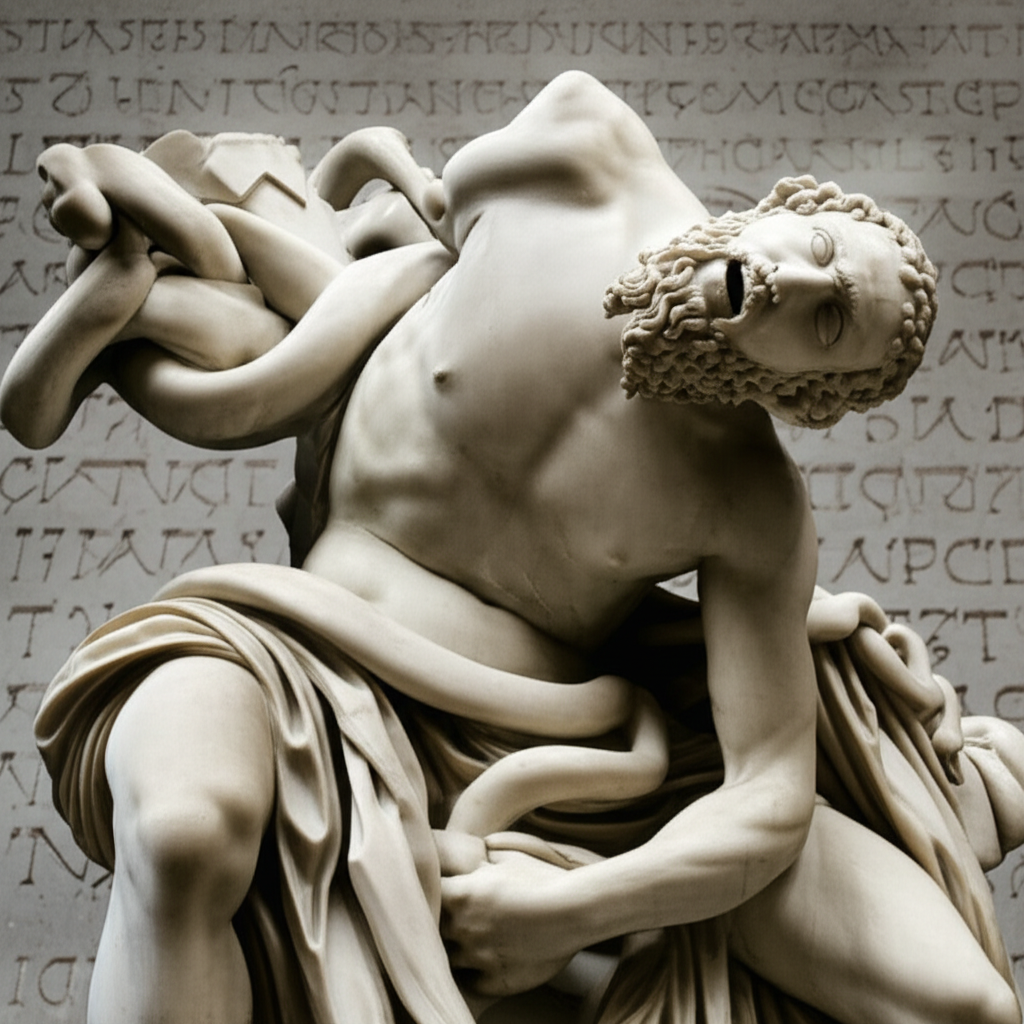
Beyond Mere Sensation: The Cognitive and Ethical Dimensions
The experience of pleasure and pain extends far beyond mere physiological sense data. Our minds interpret, anticipate, remember, and contextualize these sensations, giving them deeper meaning and shaping our moral landscape.
The Mind's Role in Shaping Experience
- Memory and Anticipation: Past experiences of pleasure or pain influence our current reactions and future expectations. The memory of a delicious meal can evoke pleasure; the memory of a past injury can trigger apprehension.
- Interpretation and Meaning: The same physical sensation can be interpreted differently based on context. The pain of a tattoo might be embraced as a form of self-expression, while the same intensity of pain from an accidental injury would be dreaded.
- Cultural and Social Influence: Our understanding and expression of pleasure and pain are also shaped by cultural norms and social learning. What is deemed acceptable or desirable, what constitutes suffering, varies across societies.
Pleasure, Pain, and the Pursuit of the Good Life
From Aristotle's Nicomachean Ethics to Mill's Utilitarianism, the role of pleasure and pain in defining the good life and moral action has been a central philosophical debate.
| Philosophical Stance | View on Pleasure | View on Pain | Ethical Implication |
|---|---|---|---|
| Hedonism (e.g., Epicurus) | The ultimate good; absence of pain. | The ultimate evil; to be avoided. | Maximize pleasure, minimize pain. |
| Virtue Ethics (e.g., Aristotle) | A natural accompaniment to virtuous activity; not the sole good. | Can be a necessary part of growth or a signal of deficiency. | Seek eudaimonia (flourishing) through virtue, where pleasure naturally follows. |
| Stoicism | Indifferent; not inherently good. | Indifferent; not inherently evil. | Cultivate apathy (freedom from passion) and accept fate. |
| Utilitarianism (e.g., Mill) | The basis for moral calculus; greater good for the greatest number. | To be minimized for the greatest number. | Actions are right if they promote happiness (pleasure), wrong if they promote unhappiness (pain). |
| Deontology (e.g., Kant) | Can be an inclination, but not the basis for moral duty. | Can be an inclination, but not the basis for moral duty. | Act according to universal moral laws, irrespective of pleasure or pain. |
The enduring question remains: Are pleasure and pain merely signals, or are they the very substance of value? Is the good life one free from pain, or one that embraces the full spectrum of experience, including suffering, for the sake of growth and meaning?
Conclusion: The Enduring Philosophical Challenge
The experience of pleasure and pain continues to be a fertile ground for philosophical inquiry. They are the twin pillars of our sentient existence, guiding our survival, informing our choices, and challenging our deepest ethical convictions. To understand them is to understand a fundamental aspect of what it means to be human, a journey that begins with the raw data of the sense and the body, but quickly ascends to the complex realms of mind, meaning, and morality. As we navigate the complexities of modern life, the insights gleaned from centuries of philosophical contemplation on these primal forces remain as relevant and vital as ever.
YouTube Video Suggestions:
-
📹 Related Video: What is Philosophy?
Video by: The School of Life
💡 Want different videos? Search YouTube for: ""Epicurus pleasure philosophy" or "Hedonism philosophy explained""
2. ## 📹 Related Video: What is Philosophy?
Video by: The School of Life
💡 Want different videos? Search YouTube for: ""Descartes mind body problem pain" or "Philosophy of pain and suffering""