

The Profound Duality: Navigating the Experience of Pleasure and Pain
The twin forces of pleasure and pain stand as the most immediate and undeniable aspects of human experience. From the simplest sensory input to the deepest emotional resonance, these primal sensations dictate much of our interaction with the world, shaping our choices, our ethics, and our very understanding of existence. This article delves into the philosophical journey through the nature of these fundamental experiences, examining how thinkers across the ages, from the ancient Greeks to modern minds, have grappled with their origins in the body, their interpretation by the senses, and their profound implications for a life well-lived. We will explore how these seemingly opposite states are, in fact, inextricably linked, forming a complex tapestry of human consciousness.
The Immediate Reality of Sensory Experience
At the most fundamental level, pleasure and pain are signals emanating from our body, interpreted by our senses. A warm sun on the skin, the taste of a ripe fruit, the embrace of a loved one – these are immediate sources of pleasure. Conversely, the searing touch of fire, the gnawing ache of hunger, the sharp sting of a wound – these are unequivocal harbingers of pain. This direct, unmediated experience forms the bedrock of our perception.
Ancient philosophers, particularly those found within the Great Books of the Western World, understood the primacy of the body and its senses. They recognized that while the mind might interpret and categorize, the initial experience of pleasure and pain occurs in the raw, physical interaction with the environment. This raises a crucial question: are pleasure and pain merely physical sensations, or do they transcend the body to reside in the realm of the mind or soul?
Philosophical Lenses on Pleasure
The nature of pleasure has been a perennial subject of philosophical inquiry, with various schools offering distinct interpretations:
- Plato's Nuanced View: In works like the Philebus, Plato distinguishes between true and false pleasures. He often views pleasure as the cessation of pain (e.g., the pleasure of drinking when thirsty). He suggests that the purest pleasures are those of the intellect, untainted by bodily needs, arguing that the highest pleasure is found in contemplating the Forms, not in fleeting sensory gratification.
- Aristotle's Eudaimonistic Perspective: For Aristotle, pleasure is not an end in itself but a natural concomitant of unimpeded activity. It is the "perfection" or "completion" of an activity that is in accordance with nature. When we perform a virtuous action well, pleasure naturally arises from that experience. It's not the goal, but a sign that an activity is being performed excellently.
- Epicurus and Tranquility: Epicurus, often misunderstood, advocated for a refined form of hedonism. His goal was ataraxia (freedom from disturbance) and aponia (absence of pain in the body). For Epicurus, the greatest pleasure was not found in extravagant indulgence, but in the absence of pain and mental distress, achieved through moderation and philosophical contemplation.
| Philosopher | View on Pleasure | Key Concept | Connection to Body/Sense |
|---|---|---|---|
| Plato | Cessation of pain; highest pleasures are intellectual. | True vs. False Pleasures, The Forms | Bodily pleasures are lower |
| Aristotle | Perfection of an activity; natural accompaniment to virtue. | Eudaimonia, Activity, Virtue | Arises from bodily/mental activities |
| Epicurus | Absence of pain and mental disturbance (ataraxia, aponia). | Tranquility, Moderation, Absence of Pain | Focus on minimizing bodily pain |
The Unavoidable Presence of Pain
If pleasure is often sought, pain is almost universally avoided. Yet, its philosophical significance is profound. Pain serves as a vital warning system for the body, alerting us to harm and prompting self-preservation. But beyond its biological function, pain raises deeper questions about suffering, morality, and the human condition.
- Pain as a Teacher: Many philosophical traditions, from Stoicism to certain religious doctrines, view pain not merely as something to be endured, but as a crucible for character development. The experience of suffering can foster resilience, empathy, and a deeper understanding of life's precariousness.
- Descartes and the Mind-Body Problem: René Descartes, a pivotal figure in the Great Books, grappled with pain in the context of his mind-body dualism. How does a purely physical sensation of pain in the body translate into a conscious experience of suffering in the immaterial mind? His pineal gland theory, though later disproven, highlighted the profound mystery of this interaction between the physical and the mental. The senses report injury, but it is the mind that experiences the "ouch."
- Utilitarianism and the Calculation of Pain: For utilitarians like John Stuart Mill, the reduction of pain (and the maximization of pleasure) forms the bedrock of ethical decision-making. The "greatest good for the greatest number" often involves a calculus of minimizing collective suffering.
The Intertwined Tapestry: A Complex Experience
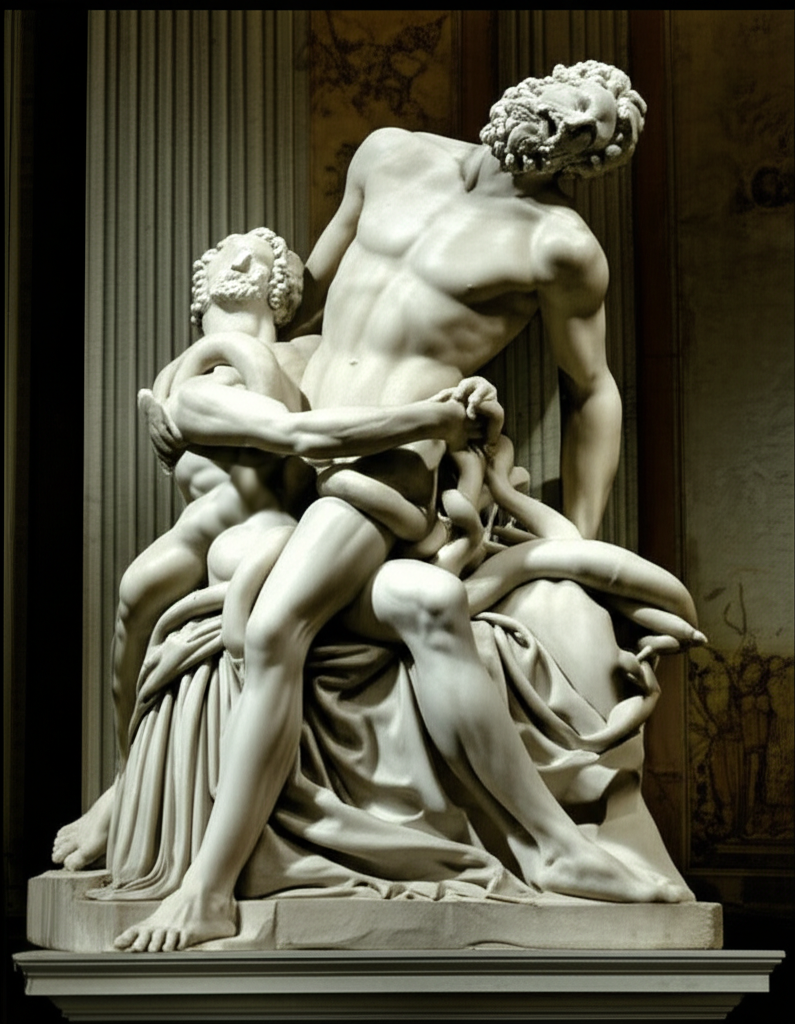
It is a mistake to view pleasure and pain as simple opposites. Often, they are deeply intertwined, shaping each other in complex ways. The relief from pain can be a profound pleasure. The anticipation of pleasure can involve a degree of pain (e.g., rigorous training for an athletic goal). The experience of loss, while painful, can be a testament to the pleasure of love once shared.
This duality underscores the richness of human experience. Our body and senses are not merely passive recipients but active interpreters, constantly navigating the ebb and flow of these fundamental states. Understanding this intricate relationship is not just an academic exercise; it is central to understanding what it means to be human, to make ethical choices, and to seek a meaningful existence.
Conclusion: The Enduring Philosophical Challenge
The experience of pleasure and pain, rooted in our body and mediated by our senses, remains one of philosophy's most enduring challenges. From the ancient Greeks seeking eudaimonia to Enlightenment thinkers dissecting consciousness, the fundamental duality of these sensations has driven inquiry into ethics, metaphysics, and the very nature of consciousness. They are not just biological responses but profound philosophical touchstones, inviting us to reflect on our values, our resilience, and our place in the world. As Benjamin Richmond suggests, to truly live is to engage with this duality, to understand its lessons, and to navigate its complexities with wisdom and insight.
📹 Related Video: ARISTOTLE ON: The Nicomachean Ethics
Video by: The School of Life
💡 Want different videos? Search YouTube for: ""Aristotle Nicomachean Ethics Pleasure Pain" for an in-depth look at his views on these concepts."
📹 Related Video: What is Philosophy?
Video by: The School of Life
💡 Want different videos? Search YouTube for: ""Epicurean Philosophy Happiness Absence Pain" to explore the nuances of Epicurean hedonism."