

The Primal Pulse: Unpacking the Experience of Pleasure and Pain
The human experience is fundamentally shaped by two inescapable poles: pleasure and pain. From the simplest touch to the most profound emotional states, these sensations define our reality, drive our actions, and inform our understanding of the world. This article delves into the philosophical inquiry surrounding these primal forces, tracing their interpretations from the ancient Greeks, who saw them as central to the good life, to modern thinkers grappling with their physiological and psychological complexities. We will explore how our body and sense organs serve as the conduits for these experiences, and how philosophers have struggled to define, categorize, and ethically navigate their profound influence.
The Inescapable Duo: A Philosophical Foundation
For millennia, philosophers have grappled with the nature of pleasure and pain. Are they mere physical sensations, or do they hold deeper metaphysical significance? Are they reliable guides to a good life, or deceptive masters? The Great Books of the Western World are replete with attempts to answer these questions, revealing a continuous intellectual journey to comprehend these most intimate of human experiences.
- Plato's Dualism: In dialogues like the Philebus, Plato distinguishes between true and false pleasures, often viewing pleasure as the mere cessation of pain, or as a lower form of good. He suggests that the highest pleasures are those of the mind, untainted by the body's fleeting desires. For Plato, the body is often a distraction, and true understanding transcends the immediate sense data.
- Aristotle's Eudaimonia: Aristotle, in his Nicomachean Ethics, offers a more integrated view. He sees pleasure not as the goal of life itself, but as a supervening perfection that completes a virtuous activity. When we engage in an activity well, pleasure naturally accompanies it. Pain, conversely, is an impediment to such activity. For Aristotle, pleasure and pain are inextricably linked to human flourishing (eudaimonia).
- Epicurus' Ataraxia: The Epicureans famously championed pleasure as the highest good, but not the wild revelry often associated with the term. Instead, Epicurus advocated for ataraxia (freedom from disturbance in the soul) and aponia (absence of pain in the body). This pursuit of tranquil pleasure, achieved through moderation and philosophical reflection, highlights a sophisticated understanding of the experience of well-being.
- The Stoic Indifference: In stark contrast, the Stoics preached apatheia – a state of mind where one is free from the disturbances of emotion, including pleasure and pain. They argued that these sensations are external to our true self and that wisdom lies in recognizing what is within our control (our judgments and reactions) and what is not. Virtue, not pleasure, was their guiding star.
The Sensorium and the Subjective Body
The experience of pleasure and pain is undeniably rooted in our body and mediated by our sense organs. From the warmth of a gentle sunbeam to the searing agony of a burn, these sensations are immediate, visceral, and profoundly subjective.
The Body as a Philosophical Instrument:
Historically, philosophers have examined the body not just as a biological entity, but as a critical component in our understanding of consciousness and self.
- Descartes' Dualism Revisited: René Descartes, in his Passions of the Soul, explored how sensations of pleasure and pain are transmitted from the body to the soul. He meticulously described how nerve impulses, originating from external stimuli or internal states, travel to the brain, where they are perceived by the immaterial mind. This clear distinction underscores the mechanical aspect of sensation before its cognitive interpretation.
- Locke's Simple Ideas: John Locke, in his Essay Concerning Human Understanding, classified pleasure and pain as simple ideas of sensation and reflection. These are fundamental, unanalyzable building blocks of our knowledge, received directly through our senses. They serve as primary motivators, driving us towards what is pleasant and away from what is painful.
- Hume's Passions: David Hume positioned pleasure and pain as fundamental impressions that give rise to all other passions and emotions. For Hume, reason is often the "slave of the passions," meaning our desires and aversions, rooted in these basic experiences, are the true springs of human action. The body's immediate reactions to stimuli dictate much of our psychological landscape.
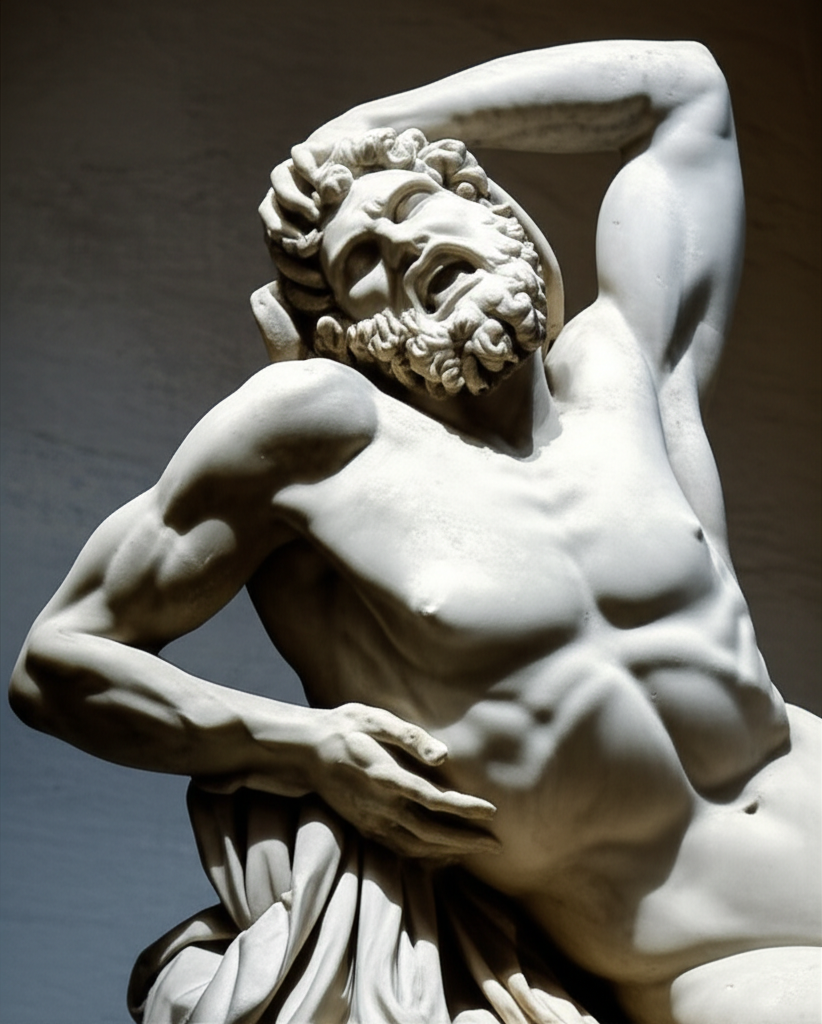
Categorizing the Spectrum: From Physical to Existential
The spectrum of pleasure and pain is vast, encompassing everything from the purely physical to the deeply psychological and existential.
Types of Pleasure and Pain:
| Category | Description | Philosophical Reference
- Physical Pleasure/Pain: Sensations directly related to the body's physical state. Examples include the pleasure of eating when hungry, the comfort of warmth, or the pain of a cut or burn. These are often the most immediate and undeniable experiences.
- Sensory Pleasure/Pain: Related to the five senses. The joy of music, the delight in a beautiful sight, or the unpleasantness of a foul odor. While physical, they are often more about perception than mere physical state.
- Emotional/Psychological Pleasure/Pain: Complex feelings like joy, sadness, love, grief, anxiety. These are not directly tied to a physical injury but arise from cognitive and emotional processes, often with profound physical manifestations (e.g., a racing heart from fear, tears from sorrow).
- Intellectual/Aesthetic Pleasure: The satisfaction derived from solving a complex problem, understanding a profound idea, or appreciating a work of art. Plato and Aristotle both hinted at these higher forms of pleasure.
- Existential Pain: The profound unease, anxiety, or despair related to questions of meaning, mortality, and the human condition. Thinkers like Kierkegaard and Sartre explored this deeply.
The Ethical Compass: Guiding Action
Perhaps the most significant philosophical contribution concerning pleasure and pain lies in their role as ethical motivators.
- Hedonism and Utilitarianism: The most direct ethical frameworks built upon pleasure and pain are hedonism (pursuit of pleasure, avoidance of pain for the individual) and utilitarianism (greatest good for the greatest number, often defined as maximizing pleasure and minimizing pain). Thinkers like Jeremy Bentham and John Stuart Mill, influenced by earlier empiricists, systematically developed utilitarian ethics, arguing that the moral worth of an action is determined by its consequences in terms of happiness and suffering.
- Virtue Ethics: While not explicitly centered on pleasure and pain, virtue ethics, as championed by Aristotle, recognizes their importance in the development of character. A virtuous person experiences pleasure in doing good and pain in doing wrong, indicating a well-formed moral compass. The right experience of these sensations becomes a sign of moral excellence.
Conclusion: The Enduring Enigma
The experience of pleasure and pain remains a cornerstone of philosophical inquiry, deeply intertwined with our understanding of consciousness, morality, and the very essence of being human. From the ancient Greek pursuit of the good life to modern neuroscientific investigations, these fundamental sensations continue to challenge our assumptions and shape our worldview. They remind us that while our minds may soar to abstract heights, we are always, at our core, beings who feel—whose bodies register, whose senses perceive, and whose experiences are forever colored by the primal pulse of joy and suffering.
YouTube Video Suggestions:
-
📹 Related Video: PLATO ON: The Allegory of the Cave
Video by: The School of Life
💡 Want different videos? Search YouTube for: ""Plato Philebus Summary" or "Plato's Theory of Pleasure and Pain""
2. ## 📹 Related Video: ARISTOTLE ON: The Nicomachean Ethics
Video by: The School of Life
💡 Want different videos? Search YouTube for: ""Aristotle Nicomachean Ethics Pleasure" or "Epicureanism vs Stoicism Pleasure""