

The Unavoidable Duality: A Philosophical Look at the Experience of Pleasure and Pain
The twin forces of pleasure and pain are arguably the most fundamental experiences of conscious existence, shaping our decisions, defining our values, and driving our very will to live. Far from being mere physiological responses, these sensations engage the entirety of our body and sense, prompting profound philosophical inquiry into their nature, purpose, and their role in the human condition. This article delves into the philosophical dimensions of pleasure and pain, exploring how thinkers throughout the history of Western thought have grappled with their elusive definitions and their pervasive influence on our lives.
The Corporeal Canvas: Sense, Body, and the Raw Experience
At its most immediate level, the experience of pleasure and pain is intrinsically tied to our physical body and its capacity for sense. From the moment of birth, our interaction with the world is mediated by these fundamental signals. A warm embrace brings comfort; a sharp object elicits recoil. These are not abstract concepts but visceral realities.
Philosophers, from the ancient Greeks to the Enlightenment thinkers, recognized this undeniable connection. Aristotle, in his Nicomachean Ethics, discusses pleasure as a supervening perfection of an activity, suggesting that when our senses are functioning optimally in relation to a suitable object, pleasure arises. Conversely, pain often signals a disruption, a threat to the body's integrity or a malfunction of its natural processes.
Descartes, grappling with the mind-body problem, saw pain as a distinct sensation that acts as a warning system, a message from the body to the soul. It is the sense that registers the heat of a flame or the sharpness of a blade, but the experience of pain is a complex interaction that alerts the whole being to danger. Similarly, pleasure, whether from taste, touch, or sound, is registered by our senses and interpreted by our consciousness, often leading to a desire for repetition or continuation.
- The Role of Our Senses:
- Touch: The warmth of the sun, the burn of a fire.
- Taste: The sweetness of fruit, the bitterness of medicine.
- Smell: The aroma of a flower, the stench of decay.
- Sight: The beauty of a landscape, the horror of a wound.
- Sound: The harmony of music, the discord of a shriek.
These sensory inputs are the raw data upon which our experience of pleasure and pain is built, but the interpretation and philosophical weight we assign to them go far beyond mere physical reception.
Defining the Undefinable: Philosophical Perspectives on Pleasure and Pain
While universally understood in their impact, precisely defining pleasure and pain has been a persistent challenge for philosophers. Is pleasure merely the absence of pain? Is pain simply the opposite of pleasure? The Great Books offer diverse perspectives:
| Philosopher/School | View on Pleasure | View on Pain |
|---|---|---|
| Plato | Often seen as the filling of a lack, a restoration of balance, or a fleeting sensation tied to the body. | A disruption, a state of disharmony or imbalance in the body. |
| Aristotle | A "supervenient end," perfecting an activity when it is performed well; not a movement, but a state. | A hindrance or corruption of natural activity; a signal of imperfection. |
| Epicurus | Ataraxia (freedom from disturbance in the soul) and aponia (absence of pain in the body); the highest pleasure is tranquility. | The primary evil to be avoided; a state that prevents tranquility and contentment. |
| Spinoza | An increase in the body's power of acting, or an increase in the mind's perfection. | A decrease in the body's power of acting, or a decrease in the mind's perfection. |
| Locke | A delightful sensation that moves us towards good, arising from the perception of agreeable objects. | An uneasy sensation that moves us away from evil, arising from the perception of disagreeable objects. |
These diverse views highlight that the experience of pleasure and pain is not monolithic. For some, like Epicurus, the absence of pain is the highest pleasure, emphasizing a state of serene equilibrium. For others, like Aristotle, true pleasure is tied to the flourishing of our rational capacities and virtuous activity, suggesting a qualitative difference between base physical pleasure and intellectual delight.
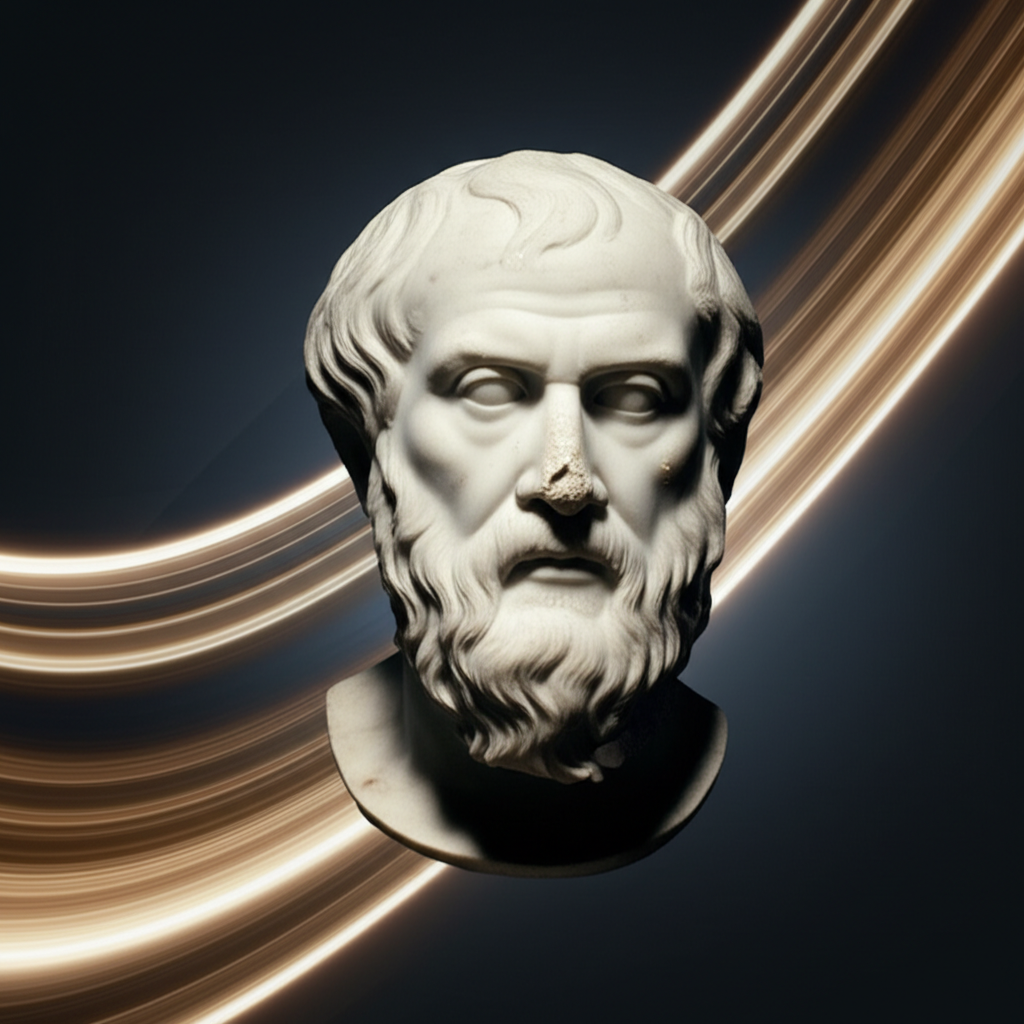 and jagged, shadowed lines on the other (representing pain), symbolizing the duality of human experience as perceived by ancient philosophy.)
Beyond Sensation: The Ethical and Existential Dimensions
The philosophical inquiry into pleasure and pain extends far beyond their immediate sense and their connection to the body. These experiences are central to ethical systems and our understanding of human flourishing.
How should we live in light of pleasure and pain? Should we pursue pleasure at all costs, or avoid pain as the ultimate evil? The hedonists advocate for pleasure as the sole intrinsic good, while the Stoics counsel indifference to both, seeking virtue as the only true good.
The constant interplay of pleasure and pain shapes our character, our resilience, and our capacity for empathy. The experience of suffering can lead to profound growth and understanding, just as the pursuit of pleasure can, if unchecked, lead to excess and ultimately, greater pain. It is in navigating this inherent duality that much of human wisdom is forged.
The enduring philosophical question is not merely what pleasure and pain are, but how we integrate these unavoidable experiences into a meaningful and ethical life. They are not just signals from the body, but fundamental aspects of our conscious self, prompting us to reflect on our values, our choices, and the very nature of our existence.
Conclusion: The Enduring Philosophical Weight
The experience of pleasure and pain remains a cornerstone of philosophical inquiry, challenging us to look beyond mere sensation and consider the deeper implications for our ethics, our understanding of the self, and our pursuit of the good life. They are the fundamental language of our body and our sense, yet their message resonates through the most complex layers of our consciousness, compelling us to ponder their meaning and integrate their lessons into the fabric of our being.
YouTube Video Suggestions:
-
📹 Related Video: ARISTOTLE ON: The Nicomachean Ethics
Video by: The School of Life
💡 Want different videos? Search YouTube for: "Aristotle Nicomachean Ethics Pleasure Pain Philosophy"
2. ## 📹 Related Video: What is Philosophy?
Video by: The School of Life
💡 Want different videos? Search YouTube for: "Epicureanism Hedonism Philosophy Pain Pleasure"