

The Elusive Landscape of Recall: Navigating the Experience of Memory and its Truth
Summary: Memory is not merely a passive archive of past events; it is a dynamic, often imaginative, and deeply personal experience that profoundly shapes our understanding of ourselves and the world. This article delves into the philosophical complexities surrounding the truthfulness of memory, exploring how our mind constructs, rather than simply retrieves, the past, and the intricate interplay between memory and imagination in forming our individual realities. We will question whether an objective truth of memory is truly attainable, or if our recollections are inherently subjective narratives.
Unpacking Memory's Enigma: A Philosophical Voyage
From the fleeting scent of a childhood home to the profound impact of historical events, memory serves as the bedrock of our personal and collective narratives. Yet, beneath its seemingly straightforward function lies a philosophical labyrinth: What is the nature of remembering? How reliable are our recollections? And what constitutes the truth of a memory? As Daniel Sanderson, I find myself perpetually drawn to these questions, questions that have echoed through the corridors of thought since antiquity, meticulously documented in the Great Books of the Western World.
The act of remembering is, at its core, an experience. It's not just a cognitive function; it's a feeling, a sensation, an often-emotional re-engagement with something that once was. This subjective dimension is where the philosophical inquiry truly begins.
The Subjective Tapestry of Experience
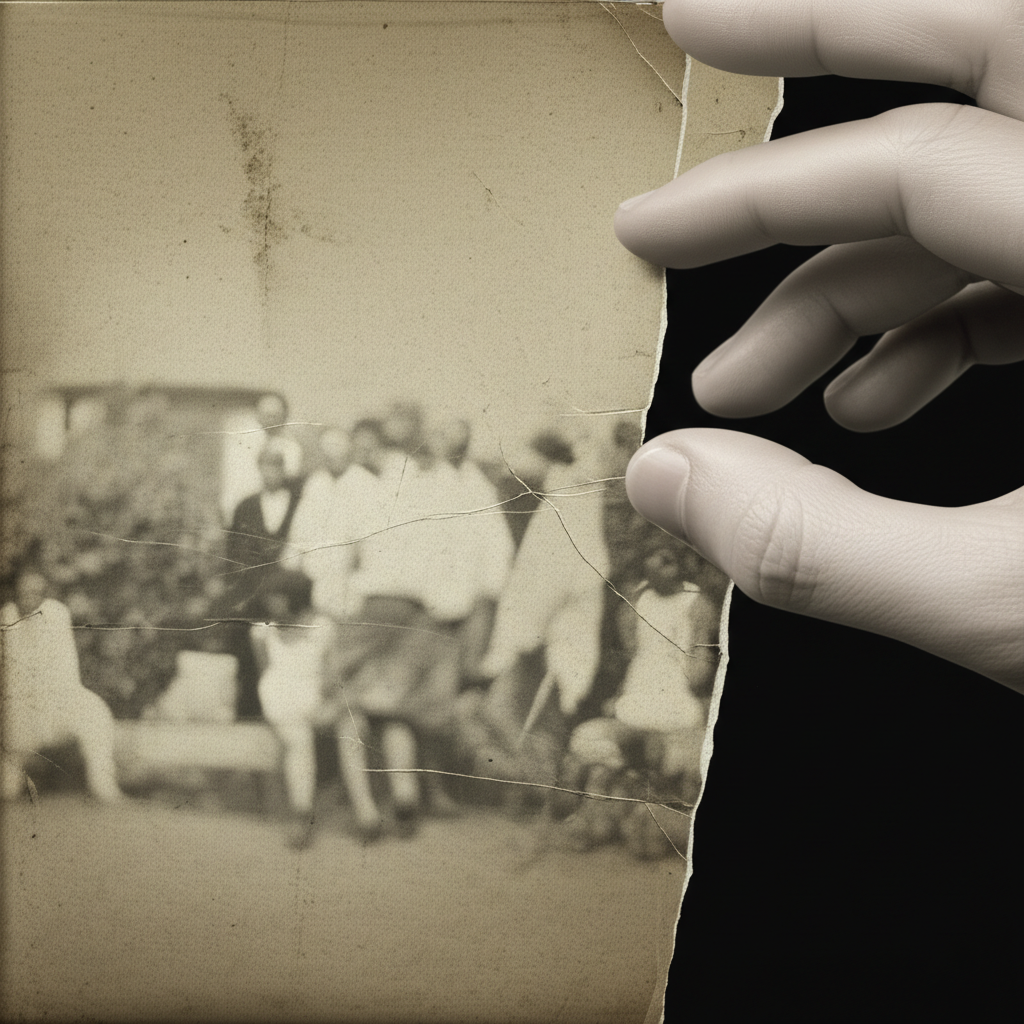
When we recall an event, we don't merely pull a perfect, unblemished file from a mental cabinet. Instead, we engage in an active process of reconstruction. Aristotle, in On Memory and Recollection, posited memory as a persistence of a sensation, a kind of after-image of what we've perceived. Yet, even in his careful analysis, the subjective nature of this retention is implicit. What one person perceives and retains differs from another, making the experience of memory inherently individual.
Consider the vividness of a dream versus the clarity of a waking recollection. Both are mental experiences, yet their relationship to external reality and truth varies wildly. The subjective quality of memory means that two individuals witnessing the same event can later recount vastly different versions, each believing their experience to be the accurate one. This highlights a fundamental challenge: how do we reconcile individual experience with an objective, verifiable truth?
Memory, Imagination, and the Fabric of Recall
Perhaps one of the most intriguing philosophical insights into memory is its intimate relationship with imagination. Far from being distinct faculties, they often work in concert, sometimes to the detriment of objective truth.
- Filling the Gaps: When we remember an event, our mind often fills in missing details, drawing upon our existing knowledge, biases, and even desires. This isn't necessarily a conscious act of fabrication, but rather the imagination working to create a coherent narrative.
- Emotional Coloring: Our current emotional state can significantly alter how we recall past events. A happy memory can be tinged with sadness if we are currently grieving, or a difficult memory softened by time and reflection.
- Future Projections: Our memories also inform our imagination of the future. We use past experiences to anticipate, plan, and even fear what is to come, creating a continuous loop between what was, what is, and what might be.
St. Augustine, in his Confessions, marvels at the "vast palace of memory," describing it as a boundless field where not only past events but also principles, skills, and even emotions reside. He notes that the very act of trying to remember can feel like a search within this immense internal space, a search where the mind actively engages, sometimes finding, sometimes creating. This active engagement blurs the lines between pure recall and imaginative reconstruction.
Pursuing Truth in the Labyrinth of the Mind
The question of truth in memory is perhaps the most vexing. If our memories are subjective experiences, influenced by imagination and current perspective, can they ever be truly objective?
Philosophers have grappled with this. John Locke, in his Essay Concerning Human Understanding, links personal identity directly to memory, stating that a person is "the same thinking thing" through the continuity of consciousness, which is sustained by memory. If our identity relies on memory, and memory is fallible, what does that say about the stability of the self?
Here are some perspectives on the truth of memory:
- Correspondence Theory: A memory is true if it accurately corresponds to the actual event that occurred in the past. This is the intuitive understanding but is challenged by the reconstructive nature of memory.
- Coherence Theory: A memory is true if it fits coherently with other memories and our broader understanding of the world. While useful for internal consistency, it doesn't guarantee external accuracy.
- Pragmatic Theory: A memory is true if it is useful or serves a particular purpose for the individual. This shifts the focus from objective accuracy to subjective utility.
The mind, in its intricate dance between remembering and imagining, seems to prioritize coherence and personal meaning over a perfect, photographic truth. This isn't to say all memories are false, but rather that their truth is often nuanced, layered, and deeply embedded in our individual consciousness.
The Philosophical Echoes of Memory
Throughout the Great Books of the Western World, the theme of memory recurs, not just as a psychological faculty, but as a profound philosophical challenge. From Plato's concept of anamnesis (recollection of innate knowledge) to Descartes' skepticism about sensory input (which forms the basis of many memories), thinkers have consistently questioned the reliability and nature of our internal records.
- Plato's Anamnesis: Suggests that learning is a process of recollecting eternal truths known before birth, implying a deeper, perhaps more reliable, form of memory beyond personal experience.
- Descartes' Meditations: While not directly about memory, his radical doubt about sensory perceptions indirectly questions the foundation of many memories, asking how we can be sure our past experiences were real and not a dream or illusion.
- Nietzsche's Perspectivism: Though not explicitly about memory, his ideas on the subjective nature of truth and interpretation can be applied to memory, suggesting that our recollections are always filtered through our unique perspectives and values, further complicating the notion of an objective truth.
The collective wisdom of these thinkers compels us to approach our own memories, and those of others, with a healthy degree of critical inquiry, acknowledging the powerful role of the mind and imagination in shaping our perceived past.
The Enduring Quest for Authenticity
The experience of memory is one of the most fundamental aspects of human consciousness. It defines who we are, grounds us in a personal history, and informs our future. While the quest for an absolute, unblemished truth in memory may be an elusive one, understanding its subjective, reconstructive nature is crucial. It teaches us humility about our own recollections and empathy for the differing narratives of others.
Ultimately, the philosophical journey through memory reveals not just the fallibility of our minds, but also their incredible capacity for creation, narrative, and meaning-making. It is in this dynamic interplay of experience, memory and imagination, and the relentless pursuit of truth, that we truly begin to understand the complex architecture of the human mind.
**## 📹 Related Video: What is Philosophy?
Video by: The School of Life
💡 Want different videos? Search YouTube for: ""The Philosophy of Memory" or "Is Memory Reliable Philosophy""**
**## 📹 Related Video: ARISTOTLE ON: The Nicomachean Ethics
Video by: The School of Life
💡 Want different videos? Search YouTube for: ""Augustine Confessions Memory Analysis" or "Locke Personal Identity Memory""**