

The Intricate Dance: How Emotion Shapes and Challenges Judgment
Our inner lives are a constant interplay of feeling and thought, a dynamic tension between the immediate experience of emotion and the deliberate process of judgment. This article delves into the profound philosophical question of how these two fundamental aspects of the human mind interact, exploring whether emotions are merely disruptive forces to be overcome, or indispensable guides to understanding and decision-making. We will journey through the insights of the Great Books of the Western World, revealing a centuries-long philosophical debate that continues to resonate with our contemporary understanding of ourselves.
The Enduring Tension: Feeling and Reason
From the earliest philosophical inquiries, thinkers have grappled with the relationship between our passions and our rationality. Is the ideal human state one of dispassionate reason, where emotions are held in check or even eradicated? Or do our feelings provide essential insights, coloring our experience and informing our moral compass? This fundamental dichotomy lies at the heart of how we perceive ourselves and navigate the complexities of the world. Understanding this relationship is crucial, for it dictates not only our personal conduct but also the very fabric of our ethical and social structures.
Emotion: The Raw Data of Experience
Emotion is not merely a fleeting sensation; it is a profound form of experience, a direct engagement with the world that registers its impact upon us. Whether it's the flush of anger, the warmth of joy, or the chill of fear, emotions are immediate, often overwhelming, and deeply personal.
Philosophers across the ages have offered diverse perspectives on the nature and value of emotion:
- Ancient Stoics (e.g., Seneca, Epictetus): Viewed emotions, particularly negative ones like anger or grief, as "passions" that disturb the tranquility of the soul and distort rational judgment. The ideal was apatheia, not apathy, but freedom from irrational disturbance.
- Plato (e.g., Republic): Described the soul as having three parts: reason, spirit (thumos), and appetite. Emotions often resided in the spirited or appetitive parts, needing to be guided by reason for a harmonious and just individual.
- Aristotle (e.g., Nicomachean Ethics): Offered a more nuanced view, recognizing that emotions, when properly moderated, are essential components of human flourishing. Rightly felt anger, for instance, can be a just response. The key was moderation and feeling the right emotion, at the right time, towards the right object.
- David Hume (e.g., A Treatise of Human Nature): Famously argued that "reason is, and ought only to be the slave of the passions, and can never pretend to any other office than to serve and obey them." For Hume, moral judgment is rooted in sentiment and feeling, not pure reason.
These varied perspectives highlight that the experience of emotion is not a monolithic phenomenon but a complex and multifaceted aspect of our being, demanding careful philosophical scrutiny.
Judgment: The Mind's Imperative
If emotion is the raw data, judgment is the mind's attempt to process, interpret, and act upon that data. It is the faculty by which we distinguish truth from falsehood, right from wrong, and make decisions about our actions and beliefs.
The pursuit of sound judgment has been a central theme in philosophy:
- René Descartes (e.g., Meditations on First Philosophy): Emphasized the power of clear and distinct ideas, advocating for a methodical doubt to strip away prejudices and emotional biases, seeking a foundation for judgment based purely on reason.
- Immanuel Kant (e.g., Critique of Practical Reason): Sought to establish moral judgment on universal, rational principles (the Categorical Imperative), independent of personal inclinations or emotional desires, which he saw as contingent and unreliable.
- Thomas Aquinas (e.g., Summa Theologica): Integrated Aristotelian and Christian thought, positing that reason guides the will, and while emotions (passions) can incline us to good or evil, it is the rational judgment of the intellect that ultimately directs our moral choices.
The ideal of judgment often involves a degree of detachment, a stepping back from the immediate pressures of experience to weigh evidence, consider consequences, and apply principles. Yet, as we shall see, this detachment is rarely absolute.
The Perilous Intersection: Emotion and Judgment
The core philosophical challenge lies in understanding how these two powerful forces—emotion and judgment—intersect within the human mind. Do they operate in opposition, or can they be integrated?
Here are some key perspectives on their interaction:
| Philosophical Stance | Relationship Description | Key Thinkers (Great Books) |
|---|---|---|
| Emotion as Corrupting Force | Emotions cloud reason, lead to irrational decisions, and prevent objective judgment. The goal is to suppress or overcome them. | Plato (in some interpretations), Stoics (Seneca, Epictetus) |
| Emotion as Motivator/Guide | Emotions provide the impetus for action or are the basis for moral judgment. Reason merely finds the means to achieve emotionally driven ends. | David Hume |
| Emotion as Informative | Emotions, when properly understood and modulated, provide valuable data about our experience and the ethical landscape, which can inform sound judgment. | Aristotle (practical wisdom), Spinoza (understanding passions) |
| Emotion as Challenge to Reason | Emotions are powerful forces that reason must constantly strive to master and integrate, though perfect mastery is often elusive. | Descartes (mastery of passions), Kant (struggle against inclinations) |
The experience of making a difficult decision often reveals this tension. Consider a judge presiding over a case where personal sympathy for the accused is strong. The judge's judgment is expected to be impartial, based on law and evidence, not on emotion. Yet, to deny the experience of sympathy entirely might be to deny a piece of one's humanity. The challenge is to acknowledge the emotion without allowing it to distort the rational judgment.
The Mind's Battleground:
The mind is often the arena where this battle plays out. We feel an impulse (anger, desire), and then our rational faculty steps in, analyzing, deliberating, and ultimately making a judgment about whether to act on that impulse. This internal dialogue is central to our moral and practical lives.
Cultivating Wisdom: Integrating Feeling and Thought
Given the complex relationship, how can we cultivate a mind capable of both deep experience and sound judgment? The answer, as suggested by many philosophers, lies not in the eradication of emotion but in its understanding and proper integration.
- Self-Knowledge: A crucial first step is to understand our own emotional landscape. Why do we feel what we feel? What triggers certain responses? This introspective work, championed by figures from Socrates to Montaigne, allows us to better anticipate and manage our emotional reactions.
- Practical Wisdom (Phronesis): Aristotle's concept of phronesis is highly relevant here. It is not merely theoretical knowledge but the ability to make good judgments in particular situations, taking into account all relevant factors, including the emotional nuances of the experience. It involves the intelligent application of principles, informed by sensitivity and discernment.
- Emotional Intelligence: While a modern term, the underlying concept has ancient roots. It involves recognizing, understanding, and managing one's own emotions, and recognizing, understanding, and influencing the emotions of others. This capacity enhances the quality of our judgment in social and ethical contexts.
Ultimately, the goal is to prevent emotions from becoming tyrannical masters, while simultaneously avoiding the pitfall of a cold, detached rationality that misses the richness and moral significance of human experience.
Conclusion
The experience of emotion and the process of judgment are inextricably linked in the human mind. From the ancient Greeks to the Enlightenment thinkers, philosophers have offered profound insights into this relationship, revealing it to be a central tension and a defining characteristic of our humanity. While emotions can indeed cloud our perception and bias our decisions, they also provide invaluable information, motivate our actions, and enrich our understanding of the world. The journey towards wisdom, therefore, is not about choosing between emotion and reason, but about learning to integrate them, allowing our feelings to inform our thoughts, and our thoughts to guide our feelings, thereby fostering a more complete and nuanced judgment of ourselves and the world around us.
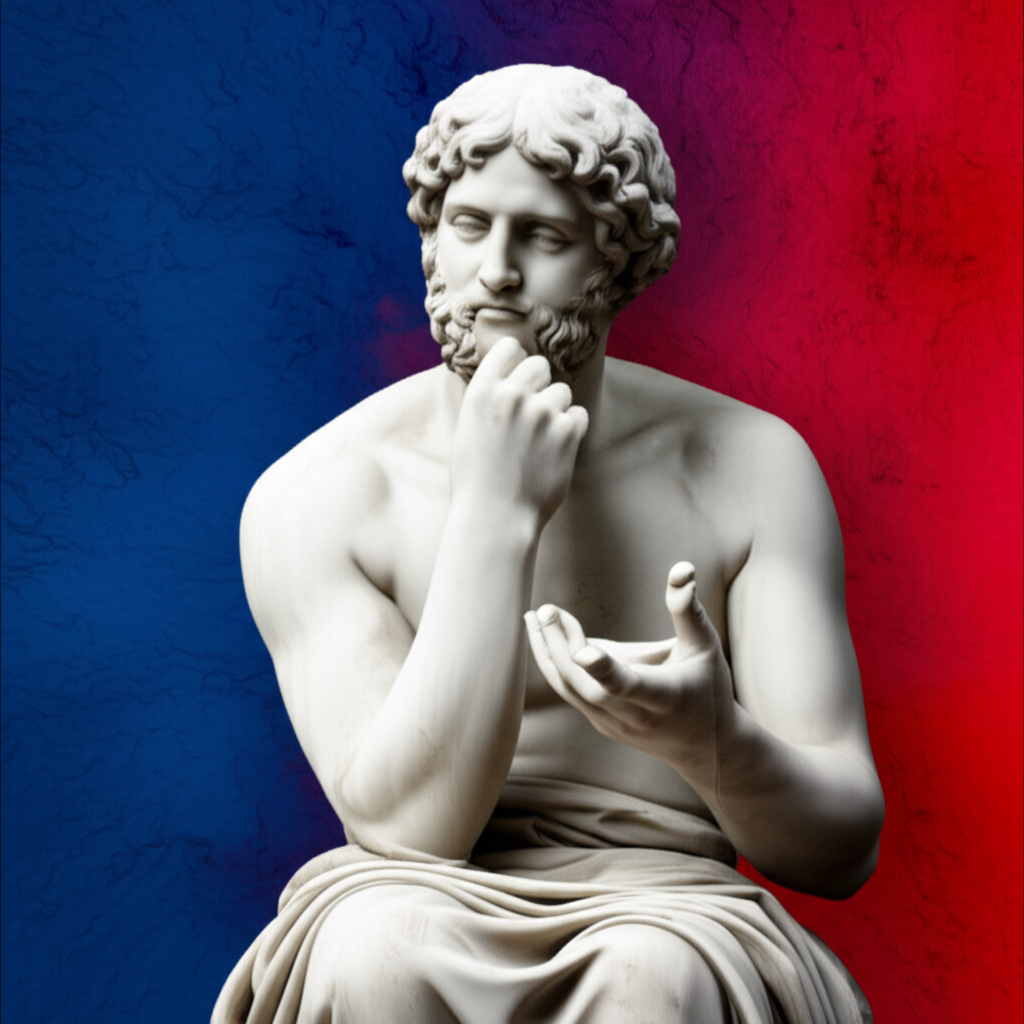
📹 Related Video: What is Philosophy?
Video by: The School of Life
💡 Want different videos? Search YouTube for: ""The Philosophy of Emotion: Reason vs. Passion""
📹 Related Video: ARISTOTLE ON: The Nicomachean Ethics
Video by: The School of Life
💡 Want different videos? Search YouTube for: ""Aristotle's Practical Wisdom: Phronesis Explained""