

The Unsettled Ledger: Probing the Ethics of Wealth Distribution
The distribution of wealth stands as one of humanity's most enduring ethical and practical challenges. This article will explore the profound philosophical questions surrounding how societal resources are, or ought to be, allocated among individuals and groups. Drawing from the bedrock texts of Western thought, we will delve into the intertwined concepts of justice, the moral imperatives of ethics, and the fundamental role of labor in generating value, seeking to understand the historical arguments and contemporary dilemmas inherent in this complex issue.
Unpacking the Moral Imperative: Why Wealth Distribution Matters
At its core, the ethics of wealth distribution confronts us with fundamental questions about fairness, opportunity, and the very structure of a just society. It's not merely an economic problem, but a deeply philosophical one, forcing us to examine our shared values and responsibilities. How much inequality can a society tolerate before it undermines its own moral fabric or the well-being of its citizens? What obligations do the affluent have to the less fortunate, and what rights do individuals have to the fruits of their labor? These are not new questions, but echoes of ancient debates that continue to shape our world.
Ancient Foundations: Plato, Aristotle, and the Polis
The earliest comprehensive examinations of wealth and its distribution can be found in the philosophical inquiries of ancient Greece.
-
Plato's Republic: Plato, in his vision of an ideal state, grappled with the disruptive potential of extreme wealth and poverty. He argued that both could corrupt the soul and destabilize the polis. For Plato, the guardians of the state should possess no private property beyond necessities, ensuring their focus remained on the common good rather than personal accumulation. His concern was less about individual justice in distribution and more about the holistic ethics of a harmonious society.
-
Aristotle's Politics and Nicomachean Ethics: Aristotle offered a more nuanced perspective. While acknowledging the dangers of excessive inequality, he defended private property as a natural institution, promoting prudence and generosity. However, he also emphasized the importance of distributive justice, arguing that goods should be distributed according to merit or contribution, but also recognizing the need for a certain level of provision for all citizens to participate in civic life. For Aristotle, the ethics of wealth management involved moderation and the cultivation of virtues like liberality.
The Enlightenment and the Rights of Labor
The Enlightenment era brought forth new theories concerning individual rights, property, and the role of labor in creating wealth.
-
John Locke and the Labor Theory of Property: In his Second Treatise of Government, Locke posited that individuals acquire property rights by mixing their labor with natural resources. When a person cultivates land or transforms raw materials, they are essentially adding their own essence to it, thereby making it their own. This foundational idea links labor directly to the legitimate acquisition of wealth and property, establishing a powerful justification for individual ownership, though Locke also noted limits to accumulation based on spoilage and leaving "enough, and as good" for others.
-
Jean-Jacques Rousseau and the Origins of Inequality: Rousseau, in his Discourse on the Origin and Basis of Inequality Among Men, offered a stark counterpoint. He argued that private property, while perhaps a necessary stage in human development, was also the primary source of societal inequality and moral corruption. For Rousseau, the concept of "this is mine" led to competition, avarice, and ultimately, the subjugation of some by others. His critique challenged the inherent justice of existing wealth distributions.
Industrialization, Capitalism, and the Question of Justice
The rise of industrial capitalism intensified debates about wealth distribution, bringing labor conditions and economic justice to the forefront.
-
Adam Smith and the Invisible Hand: In The Wealth of Nations, Adam Smith famously argued that individuals pursuing their own self-interest, guided by an "invisible hand," could inadvertently promote the greater good of society. He saw free markets and division of labor as powerful engines for creating wealth. While acknowledging the need for basic governmental functions, Smith's emphasis was on the efficiency of market mechanisms. However, even Smith expressed concerns about the alienating effects of specialized labor and the potential for employers to exploit workers.
-
Karl Marx and the Critique of Capital: Karl Marx, in Das Kapital, launched a radical critique of capitalist wealth distribution. He argued that capitalism inherently exploits labor, as the value created by workers (surplus value) is appropriated by capitalists as profit. For Marx, the private ownership of the means of production leads to a fundamental injustice, creating a vast disparity between the wealth of the bourgeoisie and the poverty of the proletariat. His solution involved the revolutionary overthrow of capitalism and the establishment of a classless society where wealth is distributed according to need.
Contemporary Ethical Considerations
The philosophical legacy of these great thinkers continues to inform modern discussions about the ethics of wealth distribution.
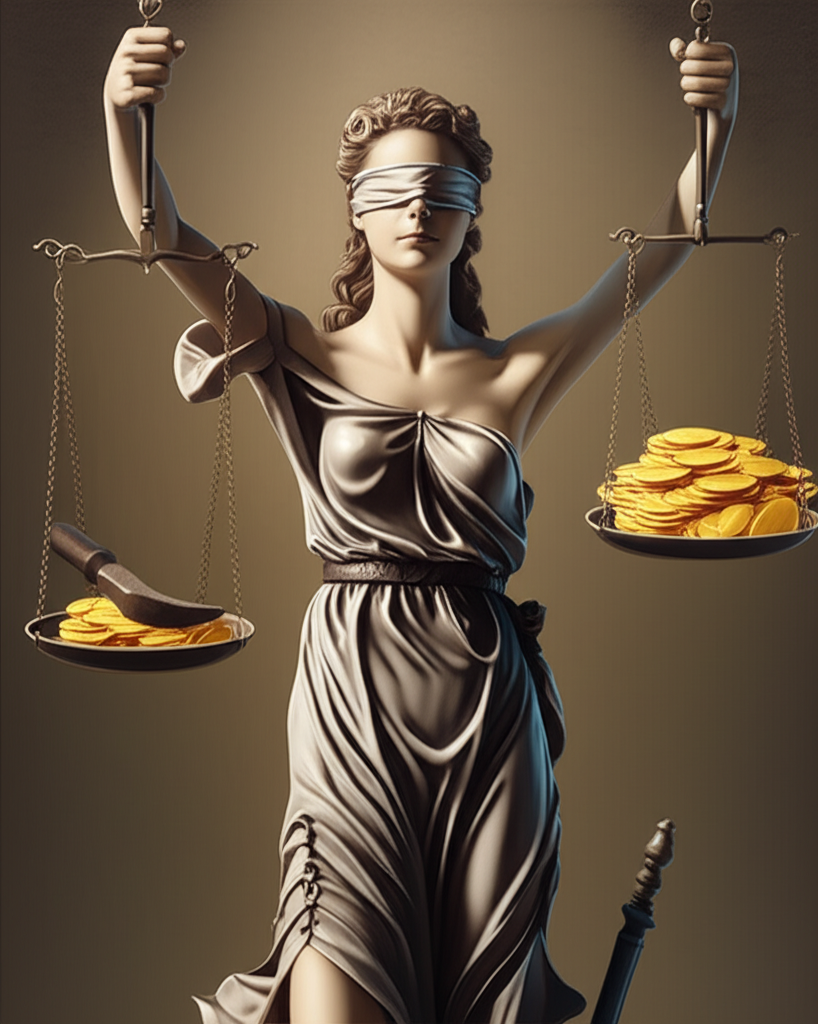
Modern philosophical approaches often grapple with:
-
Distributive Justice Theories:
- Egalitarianism: Advocates for a more equal distribution of wealth or resources, often focusing on equality of outcome or opportunity.
- Utilitarianism: Seeks to maximize overall societal happiness or well-being, which might sometimes justify redistribution if it leads to greater aggregate utility.
- Libertarianism: Emphasizes individual liberty and property rights, arguing that wealth acquired through just means should not be redistributed, even if it leads to significant inequality.
- Rawlsian Justice (Justice as Fairness): John Rawls, in A Theory of Justice, proposed a framework where inequalities are only permissible if they benefit the least advantaged members of society (the "difference principle"). This offers a powerful ethical lens for evaluating wealth distribution.
-
The Ethics of Global Wealth Inequality: Beyond national borders, the vast disparities in wealth between developed and developing nations raise profound ethical questions about global justice, historical responsibility, and moral obligations to address poverty on a worldwide scale.
The Ongoing Dialogue
The ethics of wealth distribution remains a vibrant and often contentious field of inquiry. There are no easy answers, only a persistent demand for rigorous thought, empathy, and a commitment to understanding the multifaceted dimensions of justice and human flourishing. From the ancient polis to the globalized economy, the question of how we share the fruits of our labor and the bounty of our world continues to define our collective moral compass.
YouTube Video Suggestions:
-
📹 Related Video: PLATO ON: The Allegory of the Cave
Video by: The School of Life
💡 Want different videos? Search YouTube for: ""Justice: What's The Right Thing To Do? Episode 8: 'Whose America Is It?'""
2. ## 📹 Related Video: KANT ON: What is Enlightenment?
Video by: The School of Life
💡 Want different videos? Search YouTube for: ""Great Thinkers: Karl Marx - The School of Life""