

The Profound Labyrinth: Navigating the Ethics of Life and Death Decisions
The choices we confront concerning life and death are arguably the most profound and ethically charged dilemmas humanity faces. From the moment of conception to the final breath, and even beyond, these decisions touch upon our deepest values, our understanding of personhood, and our societal obligations. This pillar page delves into the intricate philosophical underpinnings and practical challenges of navigating the Ethics of Life and Death decisions, exploring the historical perspectives from the Great Books of the Western World and their enduring relevance in modern Medicine. We will examine the tension between individual autonomy and societal duty, the sanctity versus the quality of life, and the moral frameworks that attempt to provide guidance in these often agonizing circumstances.
The Unavoidable Inquiry: A Summary of Our Moral Imperative
At its core, the Ethics of Life and Death decisions forces us to confront fundamental questions about human existence, suffering, and the limits of intervention. This field grapples with issues ranging from abortion and genetic engineering to euthanasia, palliative care, and the allocation of scarce medical resources. It demands a rigorous examination of our moral principles, often pitting competing values against one another. We seek to understand not just what we can do, but what we ought to do, guided by centuries of philosophical discourse and the pressing realities of contemporary Medicine. The duty to preserve life often clashes with the duty to alleviate suffering, creating a moral tightrope walk for individuals, families, and healthcare professionals alike.
I. Foundations of Ethical Thought: The Ancient Roots of Modern Dilemmas
To approach the Ethics of Life and Death with intellectual rigor, one must first understand the foundational ethical theories that have shaped Western thought. These frameworks provide lenses through which we can analyze complex moral problems.
A. Deontology: The Ethics of Duty and Rules
Originating prominently with Immanuel Kant, deontology posits that the morality of an action is based on whether it adheres to a rule or duty, independent of its consequences. For Kant, certain actions are inherently right or wrong.
- Categorical Imperative: Act only according to that maxim whereby you can at the same time will that it should become a universal law.
- Practical Application: In Medicine, this often translates to a strict adherence to principles like "do no harm" (non-maleficence) or the absolute duty to preserve life, regardless of the patient's suffering or wishes. The duty of a physician, for instance, might be seen as universally binding to sustain life as long as possible.
B. Consequentialism: The Greatest Good for the Greatest Number
Utilitarianism, a prominent form of consequentialism championed by thinkers like John Stuart Mill in Utilitarianism, asserts that the morality of an action is determined by its outcome or consequence. The best action is the one that maximizes overall happiness or well-being.
- Principle of Utility: Actions are right in proportion as they tend to promote happiness, wrong as they tend to produce the reverse of happiness.
- Practical Application: In Life and Death decisions, this might involve weighing the collective good, such as allocating scarce resources to save more lives, or considering the overall suffering of a patient and their family when making end-of-life choices.
C. Virtue Ethics: The Character of the Moral Agent
Drawing heavily from Aristotle's Nicomachean Ethics, virtue ethics focuses not on rules or consequences, but on the character of the moral agent. It asks what a virtuous person would do in a given situation.
- Eudaimonia: The flourishing life achieved through cultivating virtues like courage, compassion, justice, and prudence.
- Practical Application: A virtuous physician, for example, would act with compassion, integrity, and wisdom, seeking to understand the patient's holistic needs and making decisions that reflect a commitment to human flourishing, even in the face of death.
II. The Sanctity of Life vs. The Quality of Life: A Fundamental Tension
One of the most enduring debates in Life and Death Ethics is the tension between the belief in the inherent value of all human life (sanctity of life) and the consideration of an individual's lived experience and well-being (quality of life).
A. The Sanctity of Life Principle
This principle, often rooted in religious or deeply held philosophical beliefs, asserts that human life is sacred and possesses intrinsic value from conception to natural death.
- Implications: Strong opposition to abortion, euthanasia, and assisted suicide. A duty to preserve life at all costs.
- Philosophical Roots: Can be traced to Abrahamic traditions and even some interpretations of natural law theory, as seen in Thomas Aquinas's work, where life is considered a fundamental good.
B. The Quality of Life Principle
This principle emphasizes the subjective experience of living, focusing on factors like pain, suffering, dignity, and the ability to engage in meaningful activities.
- Implications: Support for palliative care, voluntary euthanasia, and decisions to withdraw life-sustaining treatment when life has become unbearable or devoid of meaning.
- Considerations: What constitutes a "good" quality of life? Who decides? This principle often underpins arguments for patient autonomy.
III. End-of-Life Decisions: Autonomy, Suffering, and the Duty of Care
The advancements in modern Medicine have allowed us to prolong life in unprecedented ways, but this capability brings profound ethical challenges, particularly at the end of life.
A. Patient Autonomy: The Right to Choose
A cornerstone of contemporary medical Ethics, autonomy emphasizes the patient's right to make informed decisions about their own medical care, free from coercion.
- Informed Consent: The process by which patients are given all relevant information to make a decision.
- Advance Directives: Living wills and durable powers of attorney allow individuals to express their wishes regarding future medical treatment.
- The Problem of Capacity: What happens when a patient loses the capacity to make decisions? Surrogate decision-makers and the "best interests" standard become crucial.
B. Euthanasia and Assisted Dying
These highly contentious topics involve intentionally ending a life to relieve suffering.
- Voluntary Euthanasia: A patient explicitly requests to die.
- Physician-Assisted Suicide (PAS): A physician provides the means for a patient to end their own life.
- Ethical Debate: Opponents often cite the sanctity of life, the "slippery slope" argument (fear that it could lead to involuntary euthanasia), and the duty of Medicine to heal, not to kill. Proponents emphasize patient autonomy, the right to die with dignity, and the alleviation of unbearable suffering.
C. Palliative Care: A Duty to Comfort
Palliative care focuses on providing relief from the symptoms and stress of a serious illness, aiming to improve the quality of life for both the patient and their family.
- Holistic Approach: Addresses physical, psychological, social, and spiritual needs.
- Ethical Imperative: Seen by many as a fundamental duty of compassionate Medicine, affirming life and regarding dying as a normal process. It does not hasten or postpone death.
IV. Beginning-of-Life Decisions: Personhood, Potential, and Genetic Frontiers
The very beginning of life presents its own unique set of ethical quandaries, from defining personhood to manipulating genetic material.
A. Abortion: The Status of the Fetus
The debate over abortion centers on the moral status of the fetus and the rights of the pregnant individual.
- Key Questions: When does life begin? When does a fetus acquire moral personhood? What is the scope of bodily autonomy?
- Philosophical Perspectives:
- Pro-Life: Often aligns with the sanctity of life, asserting that life begins at conception and the fetus has a right to life.
- Pro-Choice: Emphasizes the pregnant individual's bodily autonomy and the potential social and economic consequences of unwanted pregnancies.
B. Genetic Engineering and Reproductive Technologies
Advances in genetic science raise profound questions about our ability to shape future generations.
- In Vitro Fertilization (IVF): Raises questions about the moral status of embryos, embryo selection, and the creation of "designer babies."
- CRISPR and Gene Editing: The potential to correct genetic diseases is immense, but also raises concerns about unintended consequences, eugenics, and altering the human germline.
- Ethical Considerations: The duty to prevent suffering versus the potential for unwarranted intervention in human nature.
V. The Physician's Duty and Societal Obligations
Healthcare professionals stand at the forefront of Life and Death decisions, bearing immense responsibility. Their duty is multifaceted, encompassing both individual patient care and broader societal obligations.
A. The Physician's Duty: Balancing Competing Principles
The Hippocratic Oath, while ancient, still resonates with the core duty of a physician: to benefit the patient and do no harm. However, modern Medicine complicates this.
- Beneficence: The duty to act in the patient's best interest.
- Non-Maleficence: The duty to avoid causing harm.
- Fidelity: The duty to be loyal and keep promises to patients.
- Justice: The duty to treat all patients fairly and equitably, especially concerning resource allocation.
B. Societal Duty and Resource Allocation
Societies grapple with how to distribute limited medical resources, especially in times of crisis (e.g., pandemics, organ transplantation).
- Macro-Allocation: How much of the national budget should be spent on healthcare?
- Micro-Allocation: Who receives a particular treatment when demand exceeds supply?
- Ethical Frameworks for Allocation: Often involve a mix of utilitarian considerations (saving the most lives), egalitarian principles (equal access), and criteria like age, prognosis, and social utility. This highlights the complex interplay of individual and collective Ethics.
VI. Navigating the Moral Labyrinth: Practical Frameworks and Guiding Principles
Given the complexity, how do individuals, families, and institutions make these difficult decisions? While no single answer suffices, several practical approaches can help guide the process.
A. Ethical Committees and Consultation
Many hospitals and healthcare systems employ ethics committees to provide guidance in complex cases, offering a multidisciplinary perspective.
B. Principlism: A Common Framework
The four principles of biomedical Ethics – autonomy, beneficence, non-maleficence, and justice – provide a widely used framework for analysis, though their application often involves careful balancing.
C. The Importance of Dialogue and Empathy
Ultimately, many Life and Death decisions require open, honest, and empathetic dialogue among all stakeholders: patients, families, and healthcare providers. Understanding diverse perspectives and values is paramount.
Table 1: Key Ethical Frameworks and Their Application in Life and Death Decisions
| Ethical Framework | Core Principle | Application to Life and Death | Potential Challenges |
|---|---|---|---|
| Deontology | Duty, Rules | Strict adherence to preserving life; absolute prohibitions (e.g., against killing). | Can be rigid; may not account for suffering or quality of life. |
| Consequentialism | Outcomes, Utility | Maximizing well-being; weighing benefits/harms; resource allocation based on greatest good. | Can justify actions that harm individuals for the collective good; difficult to predict all consequences. |
| Virtue Ethics | Character, Virtues | Decisions guided by compassion, wisdom, integrity, courage of the moral agent. | Subjective; doesn't provide clear-cut rules for specific dilemmas. |
| Principlism | Autonomy, Beneficence, Non-Maleficence, Justice | Balancing patient's rights, doing good, avoiding harm, and fair treatment. | Principles can conflict, requiring careful deliberation and prioritization. |
The Ethics of Life and Death decisions remains one of the most challenging and deeply personal areas of philosophical inquiry. It is a field where abstract principles collide with profound human suffering and hope, demanding not just intellectual rigor but also immense compassion and a profound sense of duty. As Medicine continues its rapid advancements, these ethical dilemmas will only become more intricate, underscoring the timeless relevance of engaging with these fundamental questions posed by the Great Books of the Western World and beyond.
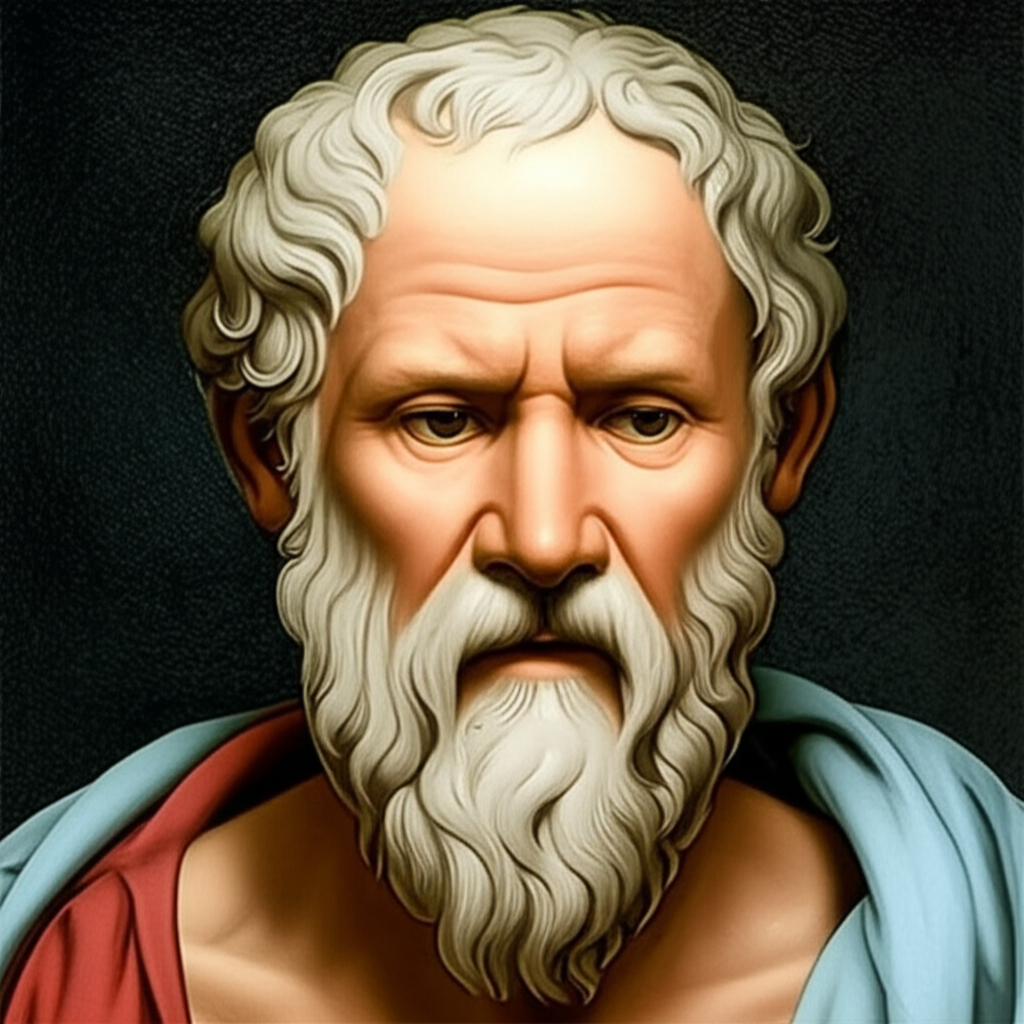 in deep contemplation, seated on a stone bench in a serene, ancient garden setting, holding a scroll, with a subtle backdrop of a medical symbol or an hourglass, symbolizing the passage of time and the weight of ethical deliberation.)
📹 Related Video: ARISTOTLE ON: The Nicomachean Ethics
Video by: The School of Life
💡 Want different videos? Search YouTube for: ""Bioethics Life and Death Decisions Philosophy""
📹 Related Video: ARISTOTLE ON: The Nicomachean Ethics
Video by: The School of Life
💡 Want different videos? Search YouTube for: ""Kant Mill Aristotle Ethics Explained""