

The Enduring Shadow: Unpacking the Ethics of Slavery and Human Labor
The history of humanity is, in many ways, an unfolding narrative of labor – how it is performed, valued, and, tragically, often coerced. At the darkest end of this spectrum lies slavery, a practice that has plagued civilizations for millennia, raising profound questions about human dignity, justice, and the very definitions of Good and Evil. This article delves into the philosophical and ethical dimensions of slavery and its relationship to various forms of human labor, exploring how thinkers across the ages have grappled with its moral implications, from ancient justifications to its condemnation as a fundamental sin against humanity.
The Ancient Paradox: Slavery and the Foundations of Society
For much of ancient history, slavery was not merely a peripheral institution but often an integral component of economic and social structures. From the city-states of Greece to the vast Roman Empire, human beings were bought, sold, and compelled to labor without recompense or freedom.
Philosophical Justifications and Early Critiques
Figures like Aristotle, whose works are foundational within the Great Books of the Western World, famously articulated a problematic justification for slavery. In his Politics, he posited that some individuals were "slaves by nature," lacking the rational capacity for self-governance and thus better off under the guidance of a master. This view, deeply unsettling to modern sensibilities, highlights how even profound intellects could rationalize systems we now universally condemn. For Aristotle, the master-slave relationship, when "natural," was seen as mutually beneficial, a part of the natural order of things, contributing to the good of the household and the polis.
Yet, even in antiquity, dissenting voices emerged, albeit rarely to challenge the institution wholesale. Stoic philosophers, for instance, emphasized an inherent equality of all rational beings, suggesting a spiritual freedom that transcended physical bondage. While not always leading to abolitionist movements, these ideas sowed seeds of doubt about the fundamental justice of one human owning another. The very concept of Good and Evil was, for many, framed within the accepted societal norms, making a radical critique of slavery a truly revolutionary thought.
The Moral Chasm: Sin, Dignity, and the Rise of Conscience
The advent of Abrahamic religions, particularly Christianity, introduced a powerful new lens through which to view slavery: that of sin. While early Christian communities often existed within slave-holding societies and did not immediately abolish the practice, the core tenets of universal love, the sanctity of every human soul as created in God's image, and the emphasis on charity gradually eroded the moral foundations of chattel slavery.
From Property to Person: The Ethical Shift
The concept that all humans possess inherent dignity, regardless of their social status, gained significant traction. Thinkers like Augustine of Hippo, also a cornerstone of the Great Books, grappled with the problem of slavery within a Christian framework. While he did not advocate for its immediate abolition, he viewed it as a consequence of sin – a fallen state of humanity rather than a natural or divinely ordained institution. This marked a crucial shift: slavery was no longer simply a societal arrangement but a moral failing, an embodiment of evil that stood in stark contrast to the good of human freedom and fellowship.
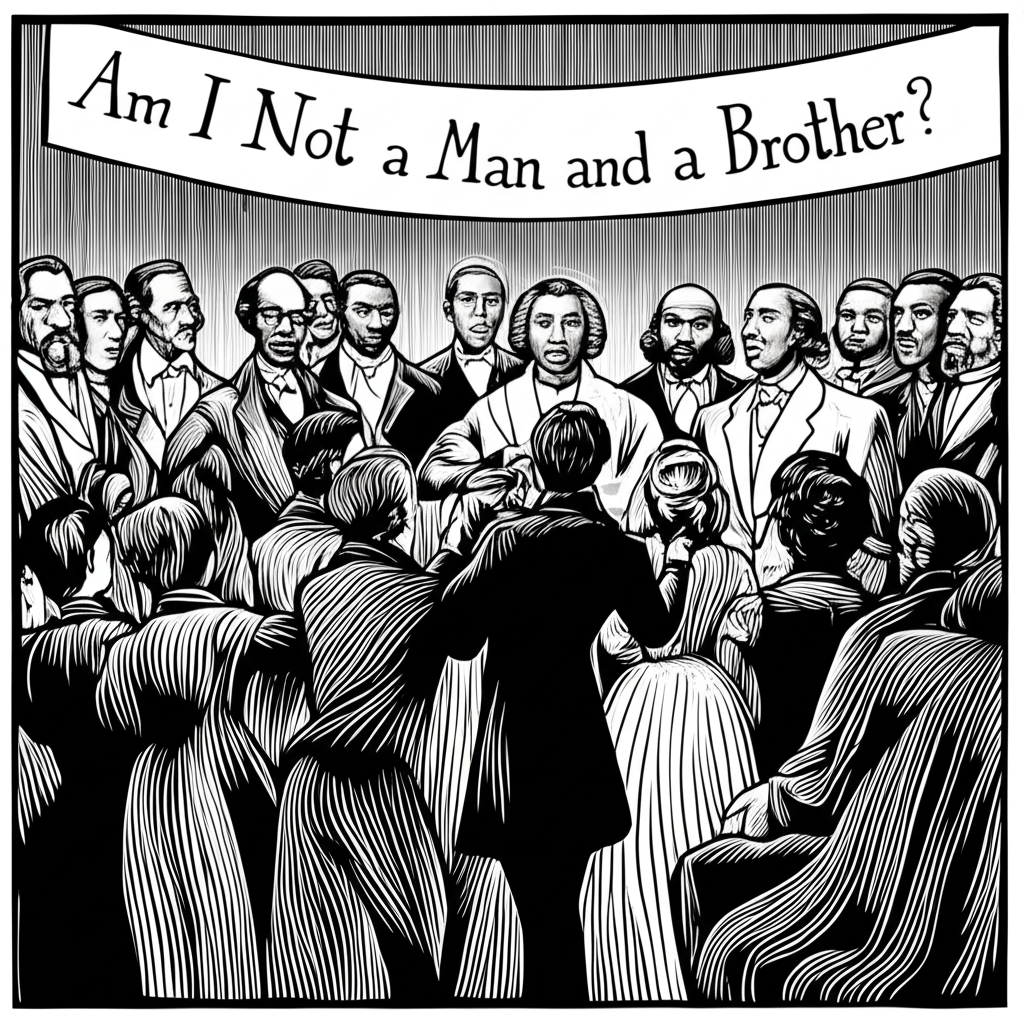
Later theologians and philosophers, building on these foundations, increasingly condemned slavery as an affront to natural law and divine justice. The act of owning another person, forcing them into uncompensated labor, came to be seen as a grave sin, violating the fundamental rights and personhood endowed by a creator. This evolving ethical perspective laid the groundwork for the eventual abolitionist movements, driven by a profound conviction that slavery was an abomination.
Beyond Chattel: The Ethics of Labor in a "Free" Society
While chattel slavery has been largely outlawed globally, the ethical concerns surrounding human labor persist. The transition from direct ownership to wage labor did not automatically eradicate exploitation or the complex interplay of Good and Evil in economic systems.
The Nuances of Coercion and Exploitation
Philosophers like John Locke, whose ideas greatly influenced notions of individual rights and property, argued that labor was the foundation of property, and that individuals owned their own labor. Yet, even in societies espousing freedom, questions arise:
- Fair Wages: When wages are so low that they barely sustain life, is the labor truly free, or is it a form of economic coercion akin to soft slavery?
- Working Conditions: Are dangerous or inhumane working conditions a violation of human dignity, even if technically consensual?
- Global Supply Chains: Do modern consumption patterns indirectly support exploitative labor practices in other parts of the world, making us complicit in a form of indirect sin?
The line between acceptable labor and exploitative labor can be blurry, requiring constant ethical scrutiny. The Great Books continue to offer frameworks for understanding these complexities, from Adam Smith's analysis of markets to Karl Marx's critique of capitalist exploitation, each grappling with the inherent tension between efficiency and equity, profit and human welfare.
The Enduring Challenge: Vigilance Against Modern Slavery
Despite legal prohibitions, forms of modern slavery persist, manifesting as human trafficking, forced labor, and debt bondage. These contemporary manifestations remind us that the struggle against slavery is ongoing, and the ethical questions surrounding human labor are far from resolved.
The philosophical journey from Aristotle's "slave by nature" to the universal condemnation of slavery as a profound sin against humanity highlights a remarkable evolution in ethical thought. Yet, the persistent shadows of exploitation compel us to remain vigilant, constantly examining our economic systems and our individual choices through the lens of Good and Evil, striving for a world where all labor is truly free and dignified.
YouTube Video Suggestions:
-
📹 Related Video: What is Philosophy?
Video by: The School of Life
💡 Want different videos? Search YouTube for: ""The Philosophy of Slavery Ancient Greece""
-
📹 Related Video: ARISTOTLE ON: The Nicomachean Ethics
Video by: The School of Life
💡 Want different videos? Search YouTube for: ""Modern Slavery Ethics Human Trafficking""