

The Ethical Treatment of Animals
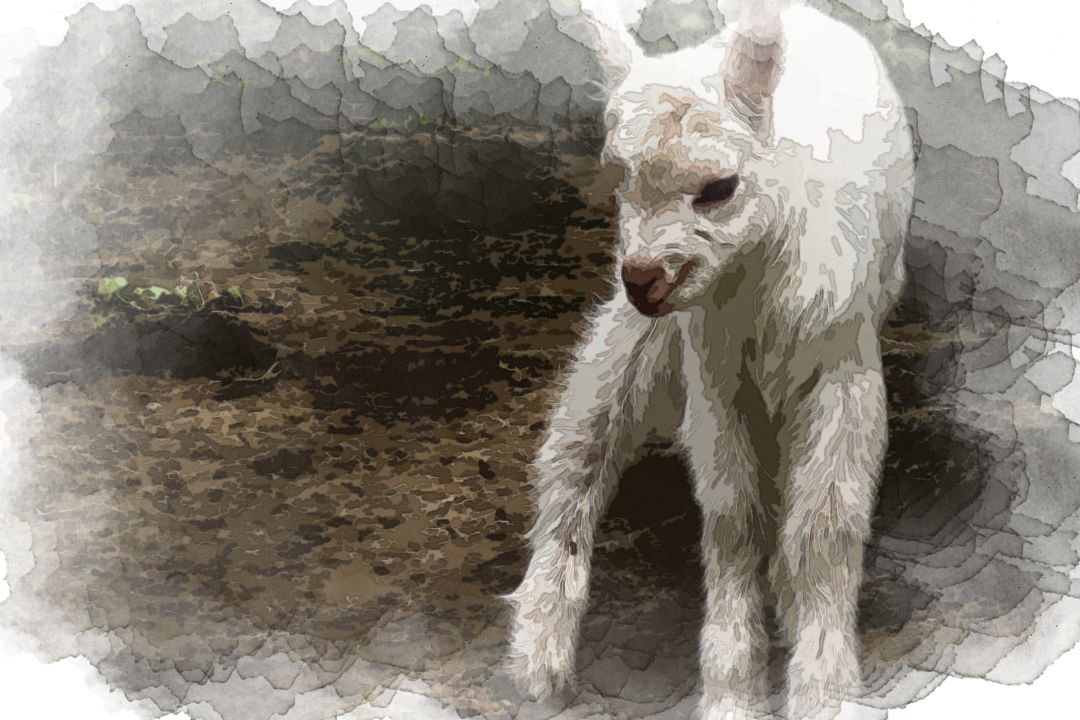
The Ethical Treatment of Animals
Setting: A sunlit portico overlooking a quiet garden.
Sophia: We speak often of the measure of civilization—its laws, its arts, its sciences. But I wonder, does the truest measure of the human spirit lie in how it regards the completely vulnerable? Specifically, the animals with whom we share this fragile earth.
Immanuel: You pose a vital question, Sophia. For me, the way a person behaves toward creatures lacking human reason is the most accurate mirror of his own moral foundation. Cruelty, unchecked in that domain, inevitably hardens the soul. A man cannot practice callous disregard for the voiceless and expect to retain sensitivity and kindness in his dealings with his fellow humans. Our character is forged in those small, private acts of responsibility.
He who is cruel to animals becomes hard also in his dealings with men. We can judge the heart of a man by his treatment of animals.
— Immanuel Kant (1724-1804)
Sophia: So, the ethical treatment of an animal is less about their rights and more about the preservation of our own moral integrity. If that integrity—that innate goodness you speak of—is so crucial, Christopher, where does it come from? Is it something we are instructed to hold?
Christopher: Not at all. The basic principle of not inflicting unnecessary suffering is simply part of the equipment we are born with. That immediate, spontaneous feeling of disgust when witnessing needless cruelty is a sign that human decency is a fundamental quality, a precursor to any formal system or ancient religious command. We don't need a text to tell us it's wrong to torment; the recognition of wrongness precedes the doctrine.
Making itself intelligible is suicide for philosophy.
— Martin Heidegger (1889-1976)
Martin: (Quietly, looking out at the light) Both of you speak of this 'integrity' and this 'decency,' and yet, when we turn our attention to the essence of the creature itself, trying to articulate its silent being—its truth—our language fails us. The profound nature of existence, the very 'dwelling' of that beast in the world, cannot be captured in a neat philosophical formula or a simple ethical rule. The moment philosophy tries to make itself easily palatable, we lose the depth we seek.
Sophia: A powerful tension, Martin. Christopher identifies the inherent, secular source of our moral compulsion, and Immanuel shows us the inescapable consequence of our actions on our own moral landscape. You, however, remind us that the complexity of the animal’s presence resists clear intellectual capture.
Human decency is not derived from religion. It precedes it.
— Christopher Hitchens (1949-2011)
Sophia: Perhaps that is the answer. Our duty to animals is an obligation that is simultaneously self-evident, vital to our character, and yet remains eternally mysterious in its profound scope. It is an action that defines us, regardless of whether we can fully comprehend its metaphysical depth.
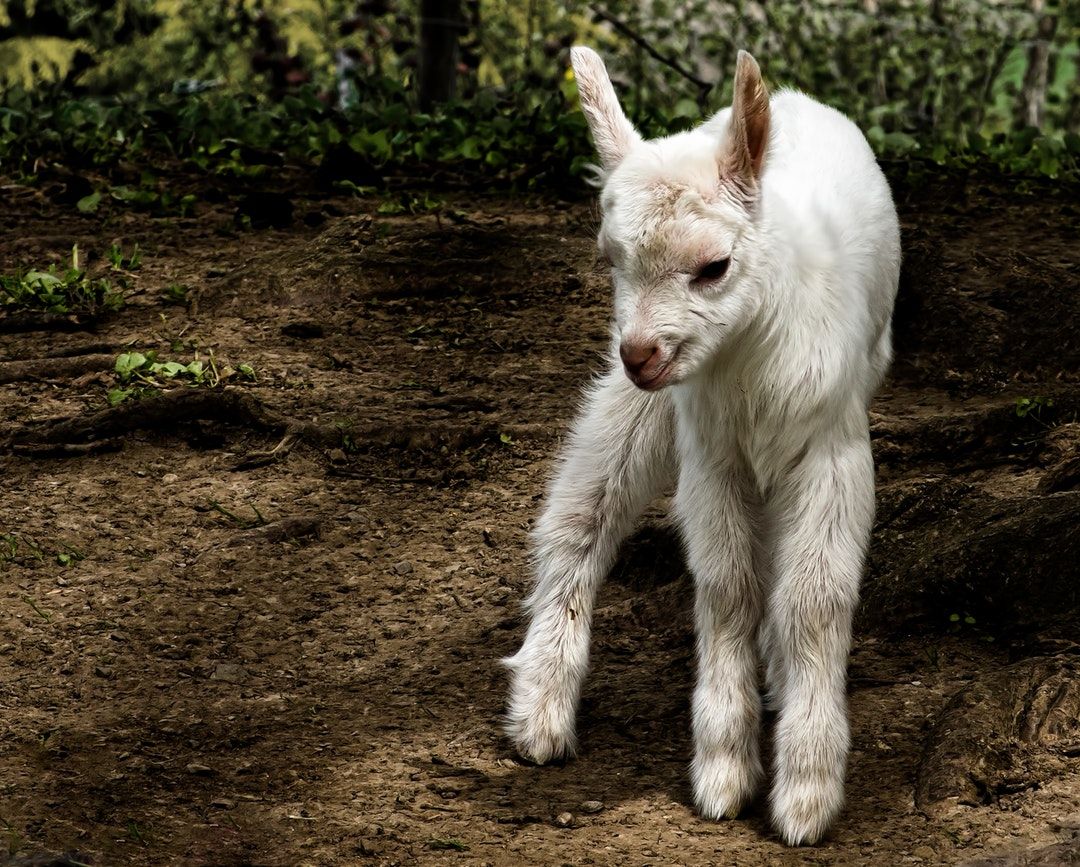
The planksip Writers' Cooperative is proud to sponsor an exciting article rewriting competition where you can win part of over $750,000 in available prize money.
Figures of Speech Collection Personified
Our editorial instructions for your contest submission are simple: incorporate the quotes and imagery from the above article into your submission.
What emerges is entirely up to you!
Winners receive $500 per winning entry multiplied by the article's featured quotes. Our largest prize is $8,000 for rewriting the following article;
 Heraclitus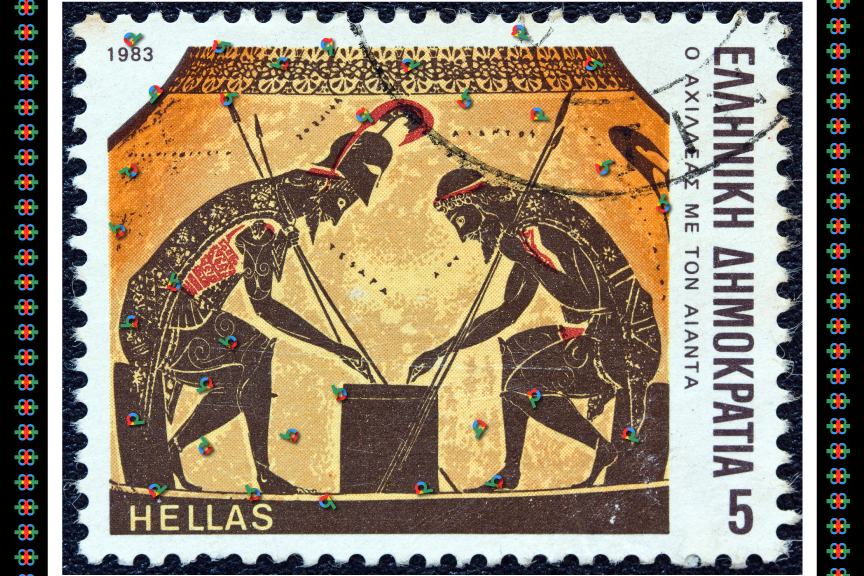
At planksip, we believe in changing the way people engage—at least, that's the Idea (ἰδέα). By becoming a member of our thought-provoking community, you'll have the chance to win incredible prizes and access our extensive network of media outlets, which will amplify your voice as a thought leader. Your membership truly matters!