

The Ethical Responsibility of the Scientist: A Burden of Knowledge
The pursuit of Science, at its core, is a quest for Knowledge. Yet, this noble endeavor carries with it an immense Duty – an ethical responsibility that transcends the laboratory bench and extends into the very fabric of society. Scientists, wielding the power to reshape our world, must grapple with the profound implications of their discoveries, navigating the complex terrain between Good and Evil outcomes. This article explores the multifaceted ethical burden borne by those who push the boundaries of human understanding.
The Double-Edged Sword of Discovery
Science itself is often presented as value-neutral, a systematic method for understanding the universe. However, the application of scientific Knowledge is anything but neutral. From the splitting of the atom to the mapping of the human genome, every major scientific breakthrough presents humanity with new capabilities, new choices, and new ethical dilemmas. As we delve into the Great Books of the Western World, we find consistent threads of inquiry into the nature of power and its appropriate use. Francis Bacon's assertion that "knowledge is power" rings with particular resonance for the scientist, underscoring that with this power comes a commensurate Duty.
The inherent tension:
- Pure Research: The drive to understand, often without immediate practical application in mind.
- Applied Science: The translation of pure knowledge into technologies, medicines, or weapons.
It is in this translation that the ethical Duty becomes most acute. The scientist, by virtue of their specialized Knowledge, is often the first to foresee the potential consequences, both benevolent and malevolent.
Knowledge, Power, and the Peril of Unchecked Ambition
The acquisition of Knowledge is a powerful intoxicant, capable of driving individuals to extraordinary lengths. Yet, history is replete with cautionary tales where the pursuit of scientific advancement outpaced ethical foresight. The development of weapons of mass destruction stands as a stark reminder of how profound Knowledge can be twisted towards catastrophic ends, forcing scientists to confront the Good and Evil inherent in their creations.
The Duty of the scientist, therefore, extends beyond mere discovery. It encompasses:
- Anticipation of Consequences: Foreseeing potential impacts, both intended and unintended.
- Ethical Scrutiny: Critically evaluating the moral implications of research and its applications.
- Public Engagement: Communicating risks and benefits to the wider society, not just fellow specialists.
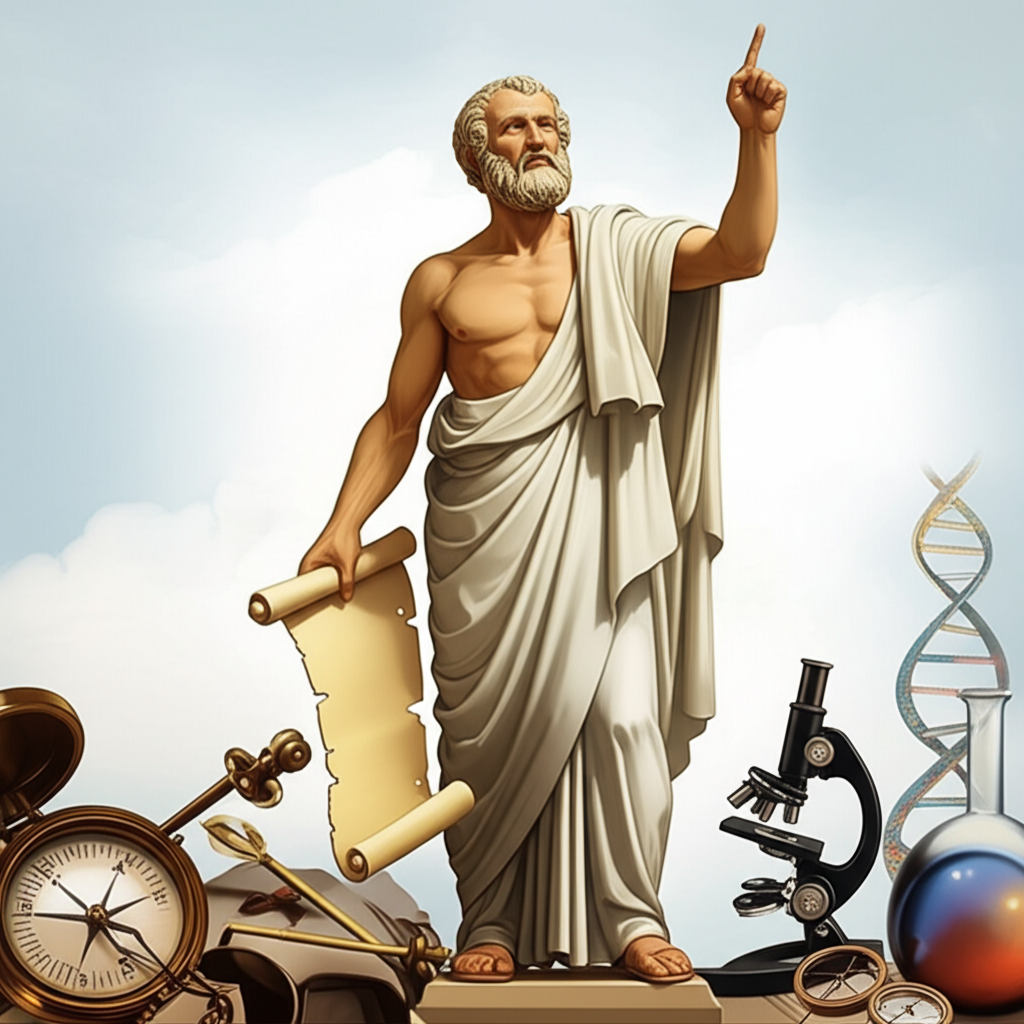 are faintly superimposed, representing the enduring link between philosophical inquiry and scientific progress.)
Navigating the Labyrinth of Good and Evil
The distinction between Good and Evil in scientific endeavors is rarely black and white. A technology designed to save lives might also be repurposed for harm. Genetic engineering, for instance, holds immense promise for curing diseases but also raises profound questions about human alteration and unintended ecological impacts. The scientist's Duty here is not to merely observe but to actively engage with these moral ambiguities.
Consider the following ethical considerations:
| Ethical Dimension | Description |
|---|
📹 Related Video: What is Philosophy?
Video by: The School of Life
💡 Want different videos? Search YouTube for: "The Ethical Responsibility of the Scientist philosophy"