

The Ethical Implications of Cloning: A Philosophical Inquiry
The advancement of science continually pushes the boundaries of what is possible, often outpacing our collective capacity to fully grasp the ethical ramifications. Among these profound scientific leaps, cloning stands as a testament to human ingenuity and a stark reminder of our responsibility. At its core, cloning, whether therapeutic or reproductive, forces us to confront fundamental questions about life and death, individuality, and the very definition of humanity. This article delves into the intricate ethical landscape surrounding cloning, examining the moral dilemmas it presents and the philosophical questions it compels us to ask about our role as creators and stewards of life.
The Genesis of a Dilemma: Science Meets Ethics
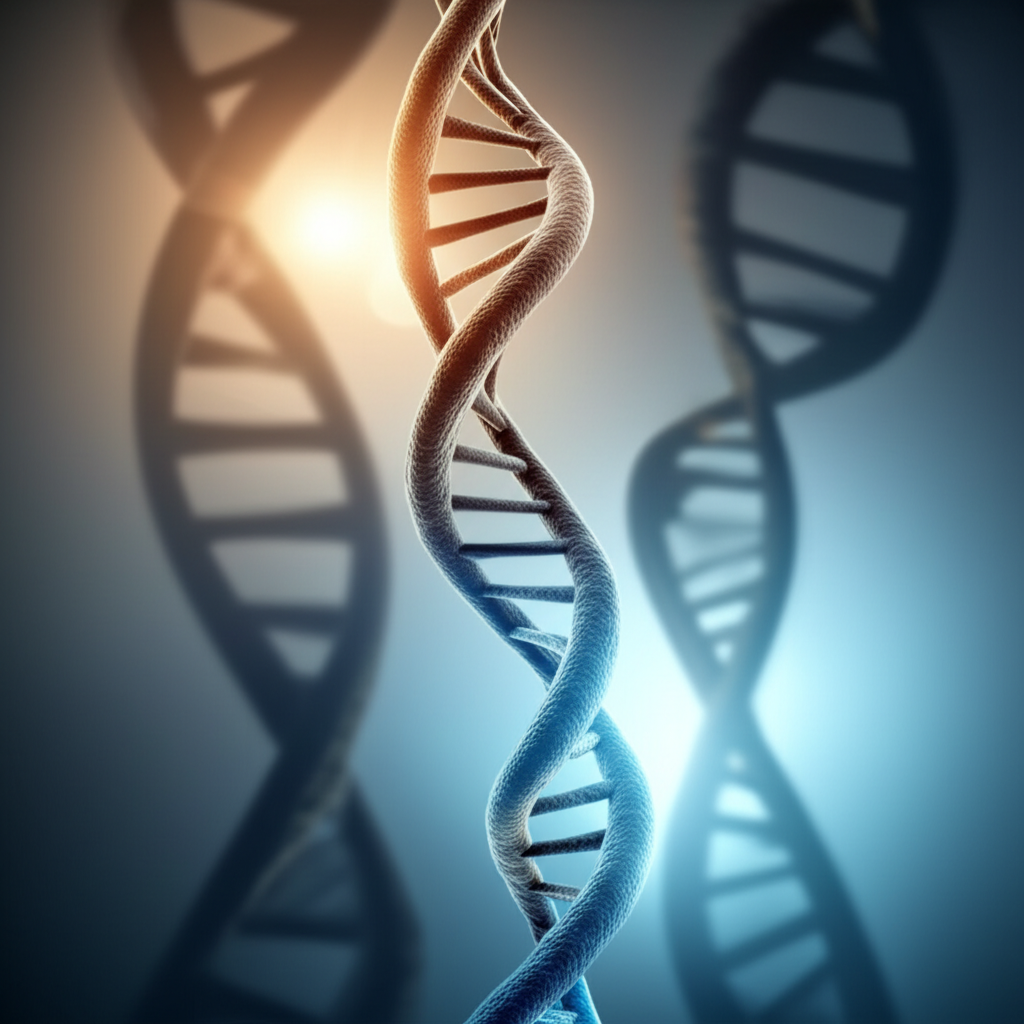
Cloning, broadly defined, is the process of creating genetically identical copies of an organism or a cell. While natural cloning occurs in various biological processes, scientific intervention to intentionally replicate life forms a distinct ethical cause for concern. From Dolly the sheep to the ongoing debates surrounding human embryonic stem cell research, the scientific capability to manipulate the very blueprints of life has thrust humanity into unprecedented moral territory. We are compelled to ponder not just how we can clone, but should we, and what are the ultimate consequences for our species and our understanding of existence?
The Two Faces of Cloning: Therapeutic vs. Reproductive
It's crucial to distinguish between the primary forms of cloning, as their ethical implications, while overlapping, also diverge significantly.
- Therapeutic Cloning: This involves creating a cloned embryo for the sole purpose of extracting stem cells. These cells, genetically identical to the donor, hold immense promise in medicine for treating diseases like Parkinson's, Alzheimer's, and diabetes, by providing tissues or organs that would not be rejected by the patient's immune system. The ethical debate here often centers on the moral status of the embryo and whether its creation and destruction for research purposes are justifiable.
- Reproductive Cloning: This aims to create a new organism that is genetically identical to an existing or previously existing organism. The goal is to produce a fully developed individual. This form of cloning sparks the most intense moral outrage and concern, touching upon concepts of human dignity, individuality, and the potential for exploitation.
Navigating the Moral Labyrinth: Core Ethical Questions
The philosophical considerations surrounding cloning are vast, drawing upon centuries of thought regarding human nature, purpose, and the limits of human intervention. The "Great Books of the Western World" offer countless frameworks for understanding the essence of individuality, the nature of creation, and the responsibilities inherent in power. Cloning challenges these frameworks directly.
Key Ethical Dilemmas:
- The Status of Cloned Life: What is the moral status of a cloned embryo, or even a fully cloned human being? Is it an individual with inherent rights, or merely a genetic copy, a means to an end? This question directly impacts our understanding of life and death and the sanctity of existence.
- Individuality and Identity: If a person is cloned, are they truly a unique individual, or merely a copy? Does genetic identity equate to personal identity? This strikes at the heart of what it means to be human and unique.
- Human Dignity and Exploitation: Could reproductive cloning lead to the commodification of human life, where individuals are created for specific purposes (e.g., organ donors, "designer babies")? Does it diminish the inherent dignity of human beings by reducing them to genetic blueprints?
- Playing God: Many ethical arguments against cloning, particularly reproductive cloning, invoke the idea of humans overstepping their natural bounds, interfering with natural creation processes, and assuming a divine role.
- Slippery Slope Arguments: Concerns are often raised about the potential for cloning to lead down a path of eugenics, where human characteristics are selected and manipulated, potentially leading to a stratified society based on genetic "perfection."
- Impact on Society and Family Structures: How would the existence of cloned individuals alter our understanding of family, kinship, and societal roles? What psychological impact might it have on the cloned individual and their "original"?
The Future of Life: A Call for Deliberation
The ethical implications of cloning are not merely theoretical; they are pressing concerns that demand our immediate and sustained attention. As science continues its relentless march forward, our capacity for profound ethical reflection must keep pace. The journey from understanding the cause of a disease to manipulating the very building blocks of life and death through medicine is fraught with moral peril and immense promise.
Ultimately, the decisions we make today regarding cloning will shape the future of human existence. It is imperative that we engage in thoughtful, inclusive, and ethically grounded discussions, drawing upon the wisdom of past philosophical inquiries and the foresight of contemporary moral reasoning, to ensure that our scientific progress serves the best interests of humanity.
📹 Related Video: ARISTOTLE ON: The Nicomachean Ethics
Video by: The School of Life
💡 Want different videos? Search YouTube for: ""Cloning Ethics Debate" or "Philosophical Implications of Human Cloning""