

The Ethical Implications of Cloning: A Philosophical Inquiry
The advancement of science has consistently pushed the boundaries of human capability, forcing us to confront profound questions about our nature, our responsibilities, and the very fabric of existence. Among these scientific frontiers, cloning stands as a particularly potent catalyst for ethical deliberation. From the initial breakthroughs in manipulating cellular cause and effect to the hypothetical specter of human replication, cloning challenges our deepest-held beliefs about life and death, individuality, and the role of humanity in the natural order. This article delves into the intricate ethical landscape surrounding cloning, examining the philosophical underpinnings that guide our understanding and the moral dilemmas that demand our careful consideration.
The Science of Cloning: A Brief Overview
At its core, cloning refers to the process of creating a genetically identical copy of a biological entity. While natural cloning occurs routinely in bacteria, plants, and even some animals (e.g., identical twins), scientific cloning involves deliberate intervention. The most prominent technique is Somatic Cell Nuclear Transfer (SCNT), famously used to clone Dolly the sheep. This process involves:
- Removing the nucleus from an unfertilized egg cell.
- Inserting the nucleus from a somatic (body) cell of the organism to be cloned into the enucleated egg.
- Stimulating the reconstructed egg to begin dividing, mimicking fertilization.
- Implanting the embryo into a surrogate mother (for reproductive cloning) or growing it in vitro (for therapeutic cloning).
It's crucial to distinguish between the two primary applications:
- Therapeutic Cloning: Aims to create embryonic stem cells for medical research or treatment. The cloned embryo is not implanted into a womb but grown only to the blastocyst stage to harvest its stem cells. This holds immense promise for regenerative medicine, offering potential cures for diseases like Parkinson's, Alzheimer's, and spinal cord injuries.
- Reproductive Cloning: Aims to create a complete, genetically identical organism. While successfully achieved in various animal species, human reproductive cloning remains universally condemned and illegal in most jurisdictions due to overwhelming ethical concerns.
The scientific capacity to manipulate life at such a fundamental level compels us to ask not just "Can we?" but more importantly, "Should we?"
Philosophical Foundations: Life and Death in the Age of Replication
The possibility of cloning forces us to revisit fundamental philosophical questions that have preoccupied thinkers from Aristotle to Kant, questions regarding identity, personhood, and the limits of human intervention.
The Nature of Personhood and Identity
One of the most profound questions cloning raises is what constitutes a person. If a clone is genetically identical to its progenitor, does it possess the same identity? Philosophers like John Locke posited that personal identity is rooted in consciousness and memory, not merely genetic makeup. A clone, though a genetic twin born at a different time, would develop its own consciousness, experiences, and memories, thus constituting a unique individual. This perspective underscores the idea that a clone would not be a mere copy, but a distinct person with inherent rights and dignity.
Playing God? The Hubris of Creation
The phrase "playing God" often surfaces in discussions about cloning. This concern taps into a deep-seated apprehension about humanity overstepping its bounds, usurping a role traditionally ascribed to a divine creator or to the natural order itself. The Great Books of the Western World are replete with narratives that caution against hubris and the unintended consequences of human ambition – from the tragic fate of Prometheus to the moral complexities explored in foundational religious texts. The fear is that by initiating life through artificial means, we might devalue natural procreation, diminish the uniqueness of individuals, or unleash unforeseen societal and existential crises.
The Dignity of the Individual
Immanuel Kant's ethical philosophy, particularly his categorical imperative, stresses the importance of treating humanity "always as an end and never merely as a means." This principle is central to the debate around cloning. If a clone is created solely to serve a purpose – perhaps as a source of organs or as a replacement for a lost child – is it being treated as a means rather than an end in itself? This raises serious questions about the clone's autonomy, its right to an open future, and its inherent dignity as a unique human being, regardless of its genetic origin.
Ethical Dilemmas in Medicine and Society
The practical applications of cloning, particularly in medicine, present a complex web of ethical considerations.
Therapeutic Cloning: Promise and Peril
The potential benefits of therapeutic cloning are immense. Imagine a future where:
- Diseased organs could be grown from a patient's own cells, eliminating transplant rejection.
- Irreparable nerve damage could be healed by stem cells perfectly matched to the patient.
- Chronic diseases like diabetes or heart failure could be effectively treated or even cured.
However, the ethical challenges are significant:
- Embryo Destruction: Therapeutic cloning involves creating and then destroying human embryos to harvest stem cells. For those who believe that life begins at conception, this is tantamount to the destruction of human life, raising moral objections similar to those against abortion.
- Slippery Slope: Critics fear that allowing therapeutic cloning could pave the way for reproductive cloning, blurring the lines between research and replication.
- Commodification of Life: The creation of human embryos for research purposes, even with benevolent intentions, can be seen as the commodification of nascent life.
Reproductive Cloning: A Moral Minefield
While largely prohibited, the discussion around reproductive cloning highlights profound ethical red flags.
- Loss of Uniqueness and Identity: Would a clone be perpetually burdened by the expectation of living up to its progenitor? How would this impact its sense of self and autonomy? The psychological toll could be immense.
- Societal Impact: Widespread reproductive cloning could alter fundamental societal structures, family dynamics, and even human genetic diversity. Would it lead to a hierarchy of "designer babies" or a reduction in the rich tapestry of human variation?
- Exploitation and Eugenics: There's a significant risk of exploitation, where clones might be created for specific traits or purposes, potentially leading to a new form of eugenics or an underclass of manufactured individuals.
- Safety and Welfare: The success rate of animal cloning is still very low, often resulting in severe abnormalities. Applying such an unproven and potentially harmful procedure to humans would be grossly unethical.
The Question of Cause and Responsibility
The power to clone brings with it an immense burden of responsibility. Every scientific advancement has a cause and inevitably leads to a chain of effects, both intended and unforeseen.
- Creator's Responsibility: If a human clone were ever created, who would be responsible for its welfare, its upbringing, and its integration into society? The question of parental responsibility takes on new dimensions.
- Long-Term Consequences: What are the long-term impacts on human evolution if we begin to artificially select and replicate genetic material? Could it lead to unforeseen vulnerabilities or a stagnation of genetic diversity?
- Defining Humanity: Cloning forces us to continually redefine what it means to be human in an age where the boundaries between natural and artificial creation are increasingly blurred. It compels us to articulate the essential qualities that confer dignity and moral status.
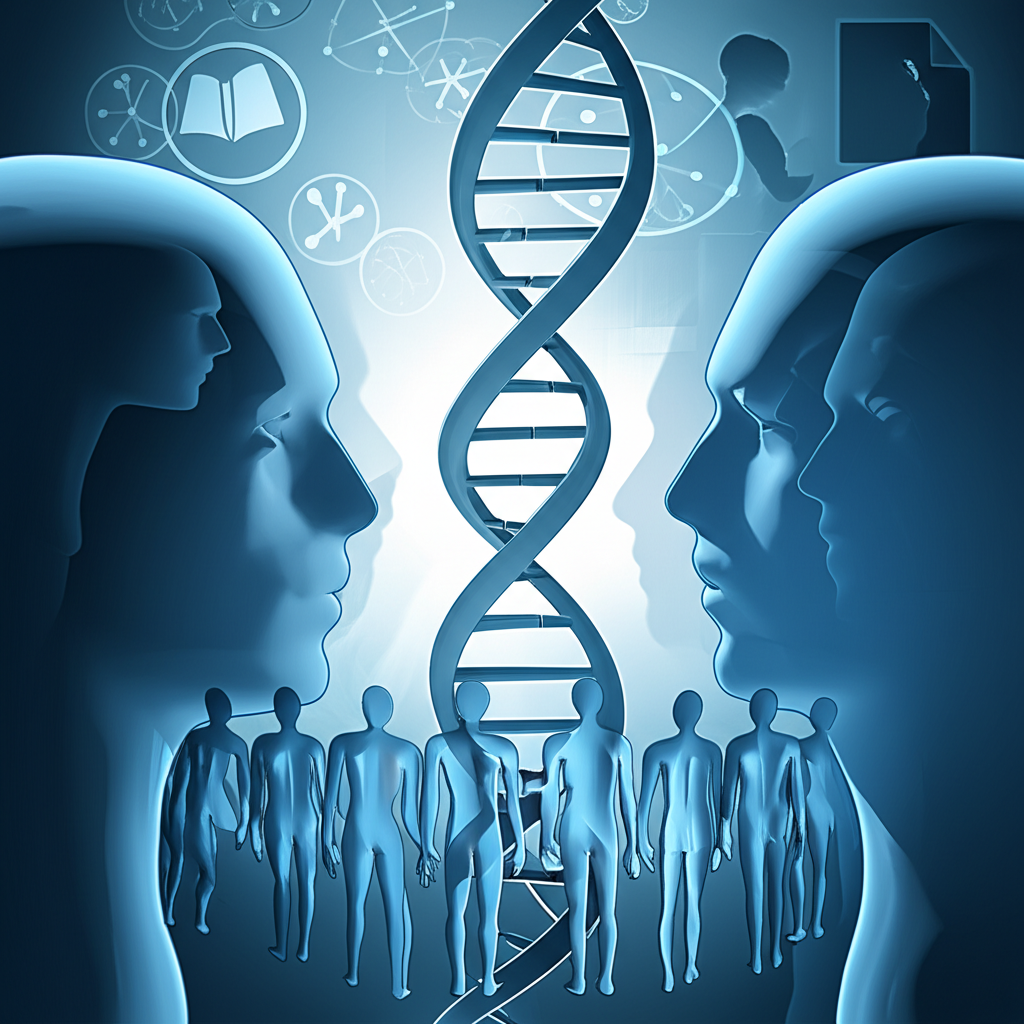
Conclusion: A Continuous Ethical Dialogue
The ethical implications of cloning are not static; they evolve with scientific understanding and societal values. As science continues to unravel the mysteries of life and death, our philosophical frameworks must adapt to address the unprecedented challenges and opportunities that arise. From the practical concerns of medicine to the existential questions of personhood and creation, cloning serves as a powerful reminder that technological progress must always be guided by rigorous ethical deliberation. The cause of scientific inquiry is noble, but the effects demand our deepest moral introspection, ensuring that our pursuit of knowledge enhances, rather than diminishes, the inherent dignity of human life.
YouTube Video Suggestions:
-
📹 Related Video: ARISTOTLE ON: The Nicomachean Ethics
Video by: The School of Life
💡 Want different videos? Search YouTube for: ""Cloning Ethics Philosophy Debate""
2. ## 📹 Related Video: ARISTOTLE ON: The Nicomachean Ethics
Video by: The School of Life
💡 Want different videos? Search YouTube for: ""What is Human Dignity Kantian Ethics""