

The Ethical Labyrinth of Cloning: Navigating the Frontiers of Life and Death
The advent of cloning technology has thrust humanity into a profound ethical quandary, challenging our most fundamental conceptions of life and death, identity, and the very cause of being. This article delves into the complex moral landscape surrounding cloning, examining its scientific potential, its medical applications, and the deep philosophical questions it raises regarding human dignity, purpose, and the boundaries of scientific endeavor. We explore how this cutting-edge science compels us to revisit ancient wisdom and forge new ethical frameworks for an unprecedented future.
The Dawn of Replication: Science Meets Philosophy
The successful cloning of Dolly the sheep in 1996 marked a pivotal moment, shifting cloning from the realm of science fiction to tangible scientific reality. This breakthrough, a testament to human ingenuity and the relentless pursuit of knowledge, immediately ignited a global debate. For millennia, the creation of life has been seen as a natural, often sacred, process, or attributed to a divine cause. Now, science offered a new path: the precise replication of genetic material, raising questions that resonate with the profound inquiries found in the Great Books of the Western World. From Plato's exploration of ideal forms to Aristotle's meticulous classification of living beings in De Anima, philosophers have grappled with the essence of existence. Cloning forces us to ask: What truly constitutes individuality? And what are the ethical limits of human intervention in the natural order?
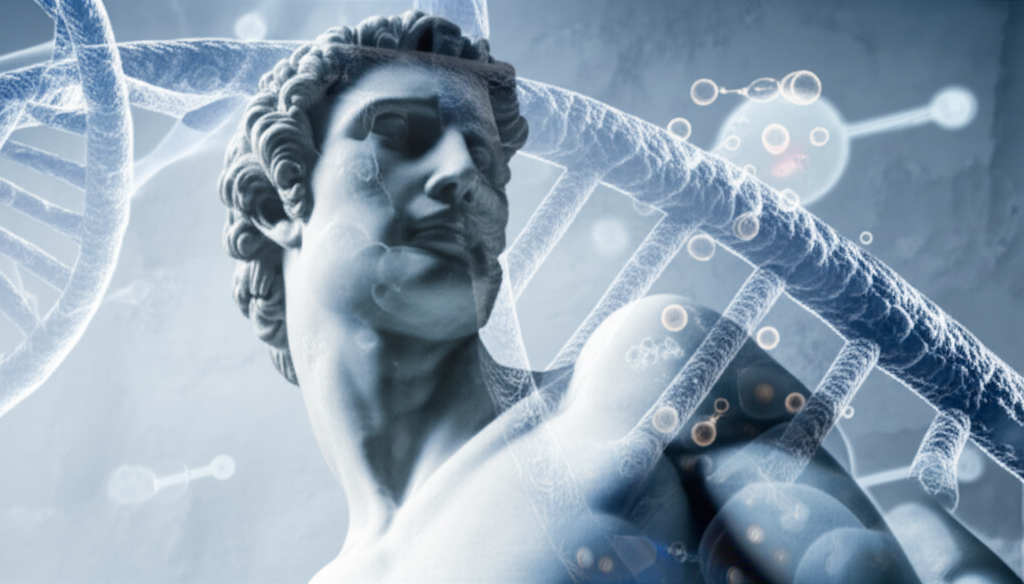
Cloning's Dual Nature: Therapeutic Promise vs. Reproductive Peril
It is crucial to differentiate between the two primary forms of cloning, each carrying distinct ethical implications:
-
Therapeutic Cloning: This process involves creating an embryo to harvest its stem cells, which can then be used to grow tissues or organs genetically identical to the patient. The promise here for medicine is immense:
- Treating diseases: Potential cures for Parkinson's, Alzheimer's, spinal cord injuries, and diabetes.
- Organ regeneration: Growing patient-specific organs to eliminate rejection issues in transplants.
- Understanding disease: Providing models for studying disease progression and testing new drugs.
The ethical debate here often centers on the moral status of the embryo and whether its creation and destruction for research purposes is justifiable, even if it could alleviate immense suffering.
-
Reproductive Cloning: This involves creating a genetically identical copy of an existing or previously existing organism. While successfully demonstrated in animals, human reproductive cloning remains universally condemned by mainstream scientific and ethical bodies. The ethical concerns are manifold and deeply unsettling, touching upon the very fabric of human identity and societal values.
The Fundamental Question of Life and Death: Redefining Our Cause
The ability to clone compels us to re-examine our understanding of life and death. If a clone is genetically identical, is it merely a copy, or a unique individual with its own inherent dignity? Aristotle, in his exploration of telos (purpose or end), suggested that every living thing has an inherent nature and an ultimate purpose. What, then, is the telos of a cloned human? Is its cause of existence fundamentally different, and does that diminish its personhood?
The debate extends beyond the individual to society. Would reproductive cloning lead to a commodification of human life, where individuals are "designed" for specific purposes, eroding the concept of inherent worth? The very idea challenges the natural lottery of genetics, the unpredictable yet fundamental cause of human diversity, and the unique journey of self-discovery that defines human experience.
Ethical Quandaries: A Planksip Perspective
The ethical dilemmas surrounding cloning are not easily resolved, demanding careful consideration from various philosophical standpoints. Here are some key areas of concern:
- Human Dignity and Uniqueness: Does creating a genetic duplicate diminish the inherent uniqueness and dignity of the individual? The belief in individual worth, a cornerstone of many ethical traditions, is challenged when life can be replicated.
- Exploitation and Commodification: Could cloning lead to the exploitation of individuals, particularly if cloned embryos or even full clones are seen as a means to an end (e.g., organ donors, research subjects)? This echoes Kantian ethics, which forbids treating persons merely as means.
- The "Slippery Slope" Argument: Critics argue that allowing therapeutic cloning could inevitably lead to reproductive cloning, and then to further genetic manipulation, potentially creating a tiered society based on genetic "quality."
- Identity and Autonomy: How would a clone grapple with its identity, knowing it is a genetic copy? Would it feel a diminished sense of self or an overwhelming burden of expectation? The very cause of its existence is a deliberate act of replication.
- Impact on Family Structures: Reproductive cloning could disrupt traditional family dynamics and kinship ties, raising complex questions about parentage, lineage, and the very definition of a family.
- Resource Allocation: If cloning technologies become widely available, would they divert resources from more pressing public health issues, particularly in medicine?
The Slippery Slope and the Telos of Humanity
The path forward requires a delicate balance between scientific progress and ethical prudence. While the pursuit of knowledge is a noble cause, as extolled by thinkers like Francis Bacon in his Novum Organum, it must be tempered by wisdom. We must consider not only what can be done, but what should be done. The potential for therapeutic cloning to alleviate suffering is undeniable, yet the risks associated with reproductive cloning, particularly the unforeseen consequences for human dignity and societal structure, are too great to ignore.
Ultimately, the ethical implications of cloning force us to confront our deepest values regarding life and death, the purpose of science and medicine, and the very cause of our humanity. It is a dialogue that demands not just scientific expertise, but profound philosophical reflection, drawing upon the collective wisdom of the ages to chart a responsible course for the future.
📹 Related Video: ARISTOTLE ON: The Nicomachean Ethics
Video by: The School of Life
💡 Want different videos? Search YouTube for: ""Cloning ethics philosophy debate" or "The ethics of human cloning explained""