

The Ethical Labyrinth of Cloning: A Philosophical Inquiry
The advent of cloning technology, once the realm of science fiction, has thrust humanity into a profound ethical quandary. From the moment the world met Dolly the sheep, Science presented us with a mirror reflecting not just our technological prowess, but also the deepest philosophical questions about Life and Death, identity, and the very Cause of existence. This article delves into the intricate ethical implications of cloning, exploring how this revolutionary Medicine challenges our understanding of what it means to be human and compels us to re-examine the foundations of our moral frameworks, drawing on timeless philosophical insights.
The Dawn of Duplication: Science Meets Philosophy
The 20th century, a period marked by unprecedented scientific acceleration, culminated in a biological feat that reverberated far beyond the laboratory: the successful cloning of a mammal. This monumental achievement, while a testament to human ingenuity in Science and Medicine, immediately ignited a global conversation concerning its ethical boundaries. It forced us to confront a reality where the traditional Cause of life—natural procreation—could be circumvented, raising urgent questions about human dignity, individuality, and the potential for a radical redefinition of familial and societal structures. The initial euphoria of scientific possibility quickly gave way to a sober reflection on moral responsibility, echoing ancient philosophical warnings about hubris and the limits of human intervention in the natural order.
The Nature of Life and Death: Redefining Our Understanding
Cloning compels us to grapple with fundamental questions concerning Life and Death that have preoccupied philosophers for millennia. If life can be replicated, what then is the unique value of an individual's existence? Is a clone merely a biological duplicate, or does it possess the same inherent dignity and rights as any naturally conceived human? This line of inquiry harks back to Aristotle's considerations of telos—the inherent purpose or end of a being—and the distinct essence of human life.
The potential for reproductive cloning, though widely condemned, forces us to consider the status of a cloned human. Would such an individual be seen as an original, or merely a copy, forever shadowed by their genetic progenitor? This touches upon existential anxieties regarding identity and autonomy. Furthermore, the very act of creating life outside traditional means challenges deeply held beliefs about the sanctity of Life, pushing the boundaries of what we deem 'natural' or 'acceptable' in the human experience.
Key Ethical Questions Regarding Life's Origins:
- Personhood: When does a cloned organism gain moral status or personhood?
- Individuality: Can a clone truly be an individual, or is its existence inherently compromised?
- Sanctity of Life: Does cloning diminish the perceived sanctity or uniqueness of human life?
- The "Purpose" of Life: Does artificial creation alter our understanding of life's inherent Cause or purpose?
Playing God or Advancing Medicine? The Cause of Existence
The debate surrounding cloning often invokes the charged phrase "playing God." This isn't merely a religious objection but a philosophical one, questioning humanity's right to manipulate the fundamental Cause of life itself. Yet, the picture is complicated by the distinction between reproductive cloning (creating a full genetic copy of an organism) and therapeutic cloning (creating embryonic stem cells for Medicine and research).
Therapeutic cloning holds immense promise for treating debilitating diseases, offering a potential Cause for cures for conditions like Parkinson's, Alzheimer's, and spinal cord injuries. Here, the ethical calculus shifts: is it morally permissible to create and destroy embryonic life to alleviate suffering? This dilemma forces us to weigh the potential benefits to existing human lives against the moral status of an embryo, a debate deeply rooted in discussions of when human life truly begins, a topic explored by thinkers from Aquinas to Locke. The ethical challenge lies in discerning whether the pursuit of health and the alleviation of suffering justifies means that some find morally reprehensible.
Table: Ethical Considerations in Cloning
| Aspect | Therapeutic Cloning | Reproductive Cloning |
|---|---|---|
| Primary Goal | Disease treatment, research, regenerative Medicine | Creating a genetically identical organism |
| Ethical Benefit | Potential cures for severe illnesses | None widely recognized; addresses infertility perhaps |
| Ethical Concern | Status of the embryo, destruction of potential life | Human dignity, individuality, potential exploitation |
| Societal Impact | Advances Science and Medicine, reduces suffering | Redefines family, identity, potential for commodification |
| "Playing God" | Less direct, but still manipulates Cause of life | More direct, creating a full human being artificially |
Individuality, Identity, and the Human Spirit
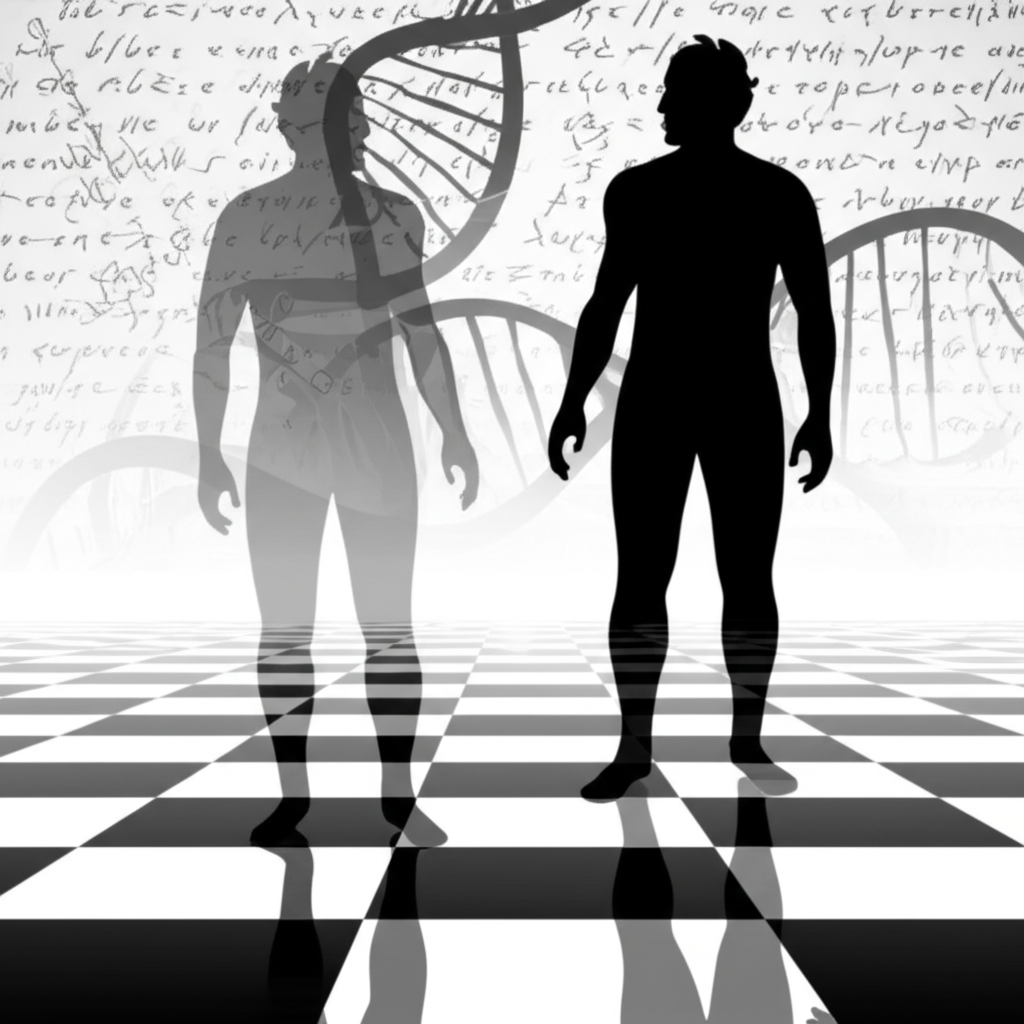
Perhaps one of the most profound ethical implications of cloning lies in its potential impact on individuality and personal identity. If a clone is genetically identical to another, does it undermine the notion of a unique self? While philosophers like John Locke emphasized the role of consciousness and memory in forming personal identity, the very idea of a genetic duplicate raises unsettling questions. Would a clone be burdened by the expectations associated with their genetic progenitor? Would they struggle to forge their own path, their life predetermined by their biological blueprint?
The Great Books of the Western World are replete with narratives exploring the human quest for identity and autonomy. From the tragic hero striving against fate to the existentialist's assertion of self-creation, the human spirit is often defined by its uniqueness. Cloning, in its radical sameness, challenges this deeply ingrained value. It compels us to consider the psychological and social ramifications for an individual who is, by design, a copy, rather than an original.
Societal Implications and the Slippery Slope
Beyond the individual, cloning carries significant societal implications. The "slippery slope" argument suggests that allowing therapeutic cloning could inevitably lead to reproductive cloning, and from there, to the creation of "designer babies" or a new form of genetic aristocracy. The potential for genetic enhancement, where parents could select desirable traits for their offspring, raises specters of social stratification and genetic discrimination.
Such developments could profoundly alter family structures, redefine parenthood, and exacerbate existing social inequalities. Philosophical concepts of justice and equality, as explored by thinkers from Plato to Rawls, demand that we consider how these technologies might impact the most vulnerable members of society. The ethical framework for cloning must therefore extend beyond individual rights to encompass the collective good and the long-term health of humanity.
Navigating the Uncharted Waters
The ethical implications of cloning are vast and multifaceted, forcing humanity to confront its deepest values and aspirations. As Science continues to advance, our capacity to manipulate Life and Death will only grow. The journey through this ethical labyrinth demands not just scientific expertise but profound philosophical reflection, drawing upon the wisdom of centuries past to guide our choices in the present. The challenge lies in harnessing the potential of Medicine and Science for the betterment of humanity, without compromising our fundamental understanding of human dignity, individuality, and the inherent value of every life. The ongoing dialogue, informed by ethics, philosophy, and a deep respect for the Cause of existence, remains our most crucial tool in navigating these uncharted waters.
📹 Related Video: What is Philosophy?
Video by: The School of Life
💡 Want different videos? Search YouTube for: ""Ethical Dilemmas of Human Cloning Philosophy""
📹 Related Video: KANT ON: What is Enlightenment?
Video by: The School of Life
💡 Want different videos? Search YouTube for: ""Cloning and Identity: A Philosophical Debate""