

The Ethical Duty of Temperance: A Cornerstone of Flourishing
The concept of temperance, often relegated to a mere suggestion for moderation, stands, upon closer inspection, as a profound ethical duty. Far from being a quaint or outdated notion, it is a fundamental pillar of human flourishing, an indispensable virtue that safeguards both individual integrity and societal harmony. Drawing deeply from the wellsprings of Western thought, from the ancient Greeks to the Scholastics, we discern that temperance is not simply about abstention, but about the rational mastery of one's desires, ensuring that appetites serve reason, rather than enslaving it. Without this deliberate cultivation, humanity risks succumbing to various vices, undermining the very pursuit of a good life.
Temperance in the Grand Tradition: From Ancient Wisdom to Moral Imperative
Throughout the Great Books of the Western World, the theme of self-mastery, or temperance, resonates with remarkable consistency. Philosophers and theologians alike have recognized its pivotal role in the ethical landscape.
Plato's Harmony of the Soul
In Plato's Republic, temperance (sophrosyne) is presented not merely as a personal attribute but as a societal principle. It signifies a harmonious agreement within the soul, where the rational part governs the spirited and appetitive parts. This internal order is crucial for justice, both within the individual and the polis. The vice here would be the chaos of an untamed appetite, leading to injustice and ultimately, unhappiness.
Aristotle's Golden Mean
Aristotle, in his Nicomachean Ethics, elevates temperance to a cardinal virtue. For him, temperance is the golden mean concerning pleasures and pains, particularly those related to touch and taste. It is the disposition to feel and act in the right way, at the right time, towards the right objects, for the right reason. The vices that flank temperance are intemperance (excess) and insensibility (deficiency). Neither extreme leads to eudaimonia, or flourishing. Aristotle's emphasis is on finding the appropriate measure, not on complete denial.
The Stoic Path to Tranquility
The Stoic philosophers, notably Epictetus and Marcus Aurelius, further underscore the ethical duty of temperance through their emphasis on controlling what is within our power: our judgments, desires, and actions. Temperance, for them, is integral to ataraxia (tranquility) and apatheia (freedom from passion), allowing reason to dictate one's response to the world, rather than being swayed by external events or internal impulses.
Aquinas and the Cardinal Virtues
Thomas Aquinas, synthesizing Aristotelian philosophy with Christian theology in his Summa Theologica, lists temperance as one of the four cardinal virtues. He defines it as the virtue that moderates our desires for sensible pleasures, particularly those of food, drink, and sex, according to reason. It is seen as essential for spiritual and moral growth, preventing humans from being enslaved by their baser instincts.
The Ethical Imperative: Why Temperance is a Duty, Not Just a Choice
To understand temperance as an ethical duty is to recognize its non-negotiable contribution to a life well-lived, both individually and collectively.
Table: The Dual Impact of Temperance
| Aspect | Individual Benefits | Societal Benefits |
|---|---|---|
| Rationality | Clearer thought, better decision-making | Informed citizenry, stable governance |
| Self-Control | Freedom from addiction, emotional stability | Reduced crime, stronger social bonds |
| Well-being | Physical health, mental peace, personal flourishing | Productive workforce, compassionate community |
| Responsibility | Accountability for actions, reliability | Trust, cooperation, justice |
| Virtue Cultivation | Foundation for other virtues (courage, justice) | Ethical leadership, moral progress |
The absence of temperance, conversely, fosters vice. Intemperance leads to self-destruction, harming one's physical and mental health, eroding relationships, and hindering personal growth. From a societal perspective, widespread intemperance can manifest as consumerism, corruption, and a general decline in civility and responsibility. Thus, the cultivation of temperance is not merely a personal preference but a moral obligation to oneself and to the community.
Navigating Modern Challenges with Ancient Wisdom
In an age of instant gratification and pervasive stimuli, the ethical duty of temperance is perhaps more challenging, yet more critical, than ever.
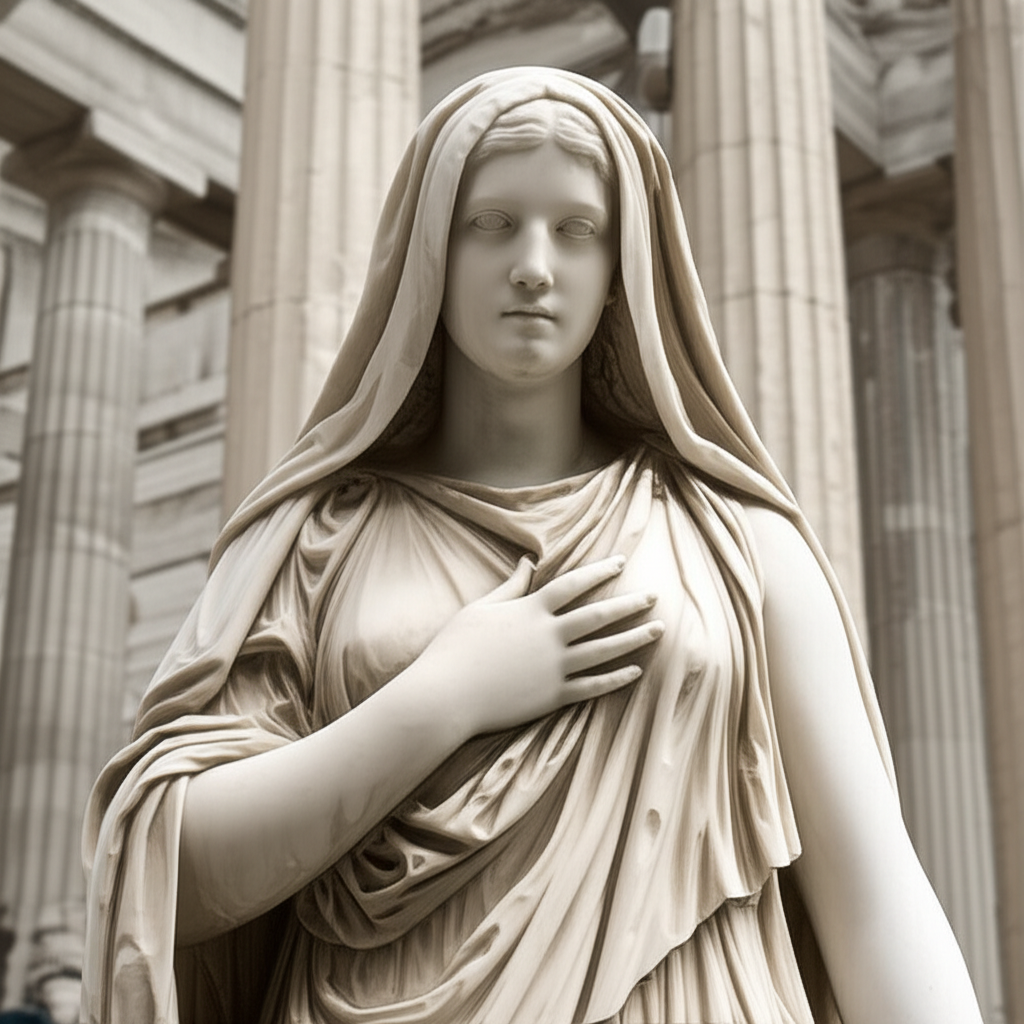
Consider the digital realm: the vice of uncontrolled consumption of information, entertainment, or social media can lead to distraction, anxiety, and a diminished capacity for deep thought. Temperance in this context means exercising mindful engagement, setting boundaries, and prioritizing meaningful interaction over fleeting gratification. Similarly, in our consumption habits, temperance moves beyond mere diet to encompass responsible stewardship of resources and a conscious rejection of excessive materialism.
The cultivation of this virtue requires introspection, a willingness to confront one's desires, and the steadfast resolve to guide them with reason. It is a continuous practice, not a destination, demanding vigilance against the insidious allure of vice.
Conclusion: The Enduring Relevance of a Core Virtue
The ethical duty of temperance, rooted in the profound insights of the Great Books of the Western World, remains an indispensable guide for navigating the complexities of human existence. It is the disciplined application of reason to desire, fostering a harmonious internal state that empowers individuals to pursue true flourishing and contribute positively to their communities. To neglect this duty is to invite a cascade of vices that diminish both the self and society. Therefore, let us embrace temperance not as a restrictive burden, but as a liberating virtue, a pathway to a life of greater purpose, balance, and authentic freedom.
📹 Related Video: ARISTOTLE ON: The Nicomachean Ethics
Video by: The School of Life
💡 Want different videos? Search YouTube for: "Aristotle Nicomachean Ethics Temperance"
📹 Related Video: PLATO ON: The Allegory of the Cave
Video by: The School of Life
💡 Want different videos? Search YouTube for: "Plato Republic Self Control Sophrosyne"