

The Ethical Imperative of Temperance: A Duty to Self and Society
A Summary of Rational Restraint
In an age often characterized by immediate gratification and boundless consumption, the ancient concept of temperance might seem quaint, even restrictive. Yet, upon deeper philosophical scrutiny, temperance emerges not merely as a quaint suggestion for moderation, but as a profound ethical duty. Far from a call to asceticism, temperance, as understood by the great thinkers of the Western tradition, is the rational and virtuous governance of our desires, a critical component for individual flourishing and the maintenance of a just society. It is the judicious balance that allows us to navigate the treacherous waters between destructive excess and debilitating deficiency, fostering a life of purpose and genuine freedom.
Unpacking Temperance: More Than Mere Abstinence
When we speak of temperance, our minds often drift to images of abstaining from alcohol or food. While these are certainly applications, the philosophical scope of temperance is far grander. Derived from the Latin temperare, meaning "to moderate" or "to mix in due proportion," temperance is fundamentally about self-mastery. It is the virtue that moderates our appetites and passions, ensuring they remain within the bounds of reason, rather than allowing them to dictate our actions and choices.
This is not about denying pleasure, but about ordering it. As Henry Montgomery, I contend that a life devoid of all pleasure is not truly human, nor is it virtuous. The challenge, and indeed the ethical duty, lies in discerning which pleasures serve our higher good and how much of them are conducive to a flourishing life.
The Philosophical Bedrock: Insights from the Great Books
The concept of temperance is deeply embedded in the foundational texts of Western philosophy.
-
Plato's Harmony: In Plato’s Republic, temperance (σώφροσύνη, sōphrosynē) is presented as a cardinal virtue, representing the harmonious ordering of the soul. It is the agreement between the rational, spirited, and appetitive parts of the soul regarding who should rule. When reason governs our desires, temperance prevails, leading to inner peace and justice. Without it, the soul is in disarray, prone to the vice of licentiousness and the chaos it brings.
-
Aristotle's Golden Mean: Aristotle, in his Nicomachean Ethics, elevates temperance to a central position within his doctrine of the mean. For Aristotle, every virtue lies between two extremes, two vices: one of excess and one of deficiency. Temperance is the mean concerning pleasures and pains, particularly those of touch and taste.
- Excess (Vice): Licentiousness or self-indulgence, where one pursues pleasures indiscriminately and excessively.
- Deficiency (Vice): Insensibility, where one is unduly indifferent to pleasures, which, for Aristotle, is rarely encountered but still a deviation from the mean.
The temperate person, therefore, desires the right things, at the right time, in the right amount, and for the right reasons. This is not arbitrary; it is a rational choice, an ethical duty to pursue the mean.
-
Stoic Self-Control: Later, the Stoics emphasized temperance as a crucial aspect of living in accordance with nature and reason. For them, self-control over one's emotions and desires was paramount to achieving ataraxia (tranquility) and apatheia (freedom from passion). The pursuit of virtue, including temperance, was the only true good, and everything else was indifferent.
Why Temperance is an Ethical Duty
The notion of temperance as a mere personal preference misses its profound ethical weight. It is a duty for several compelling reasons:
-
Duty to Self (Self-Mastery and Flourishing):
- Rationality: Unchecked desires can cloud judgment, making rational thought and decision-making impossible. Temperance ensures reason remains the guiding force.
- Freedom: Paradoxically, temperance grants true freedom. We are not truly free if we are slaves to our impulses, constantly seeking gratification. Temperance liberates us from the tyranny of insatiable desires.
- Health and Well-being: Extreme indulgence in food, drink, or other pleasures demonstrably harms physical and mental health. Temperance is a practical virtue for long-term well-being.
- Eudaimonia: For ancient philosophers, temperance was essential for eudaimonia, the flourishing life or human well-being. Without it, genuine happiness and fulfillment remain elusive.
-
Duty to Others (Social Harmony and Justice):
- Resource Allocation: In a world of finite resources, unrestrained consumption by individuals can lead to scarcity and injustice for others. Temperance encourages responsible stewardship.
- Social Responsibility: The consequences of intemperance (e.g., addiction, reckless behavior, financial ruin) often extend beyond the individual, impacting families, communities, and public resources.
- Moral Integrity: A temperate individual is more likely to act with integrity, trustworthiness, and fairness, contributing positively to social interactions and institutions.
Navigating the Spectrum: Virtue and Vice in Practice
The practical application of temperance involves constant vigilance against the alluring pull of vice.
| Aspect of Life | Vice of Deficiency (Insensibility) | Virtue (Temperance) | Vice of Excess (Licentiousness/Intemperance) |
|---|---|---|---|
| Food & Drink | Asceticism, self-deprivation | Enjoying sustenance and pleasure in moderation | Gluttony, drunkenness |
| Wealth & Spending | Miserliness, stinginess | Prudent management, generosity when appropriate | Extravagance, greed |
| Sexual Desires | Apathy, frigidity | Appropriate expression within ethical bounds | Promiscuity, lust, exploitation |
| Anger | Apathy, lack of self-respect | Righteous indignation, controlled assertion | Wrath, uncontrolled rage |
| Work/Leisure | Laziness, idleness | Diligence in work, balanced with restorative leisure | Workaholism, burnout |
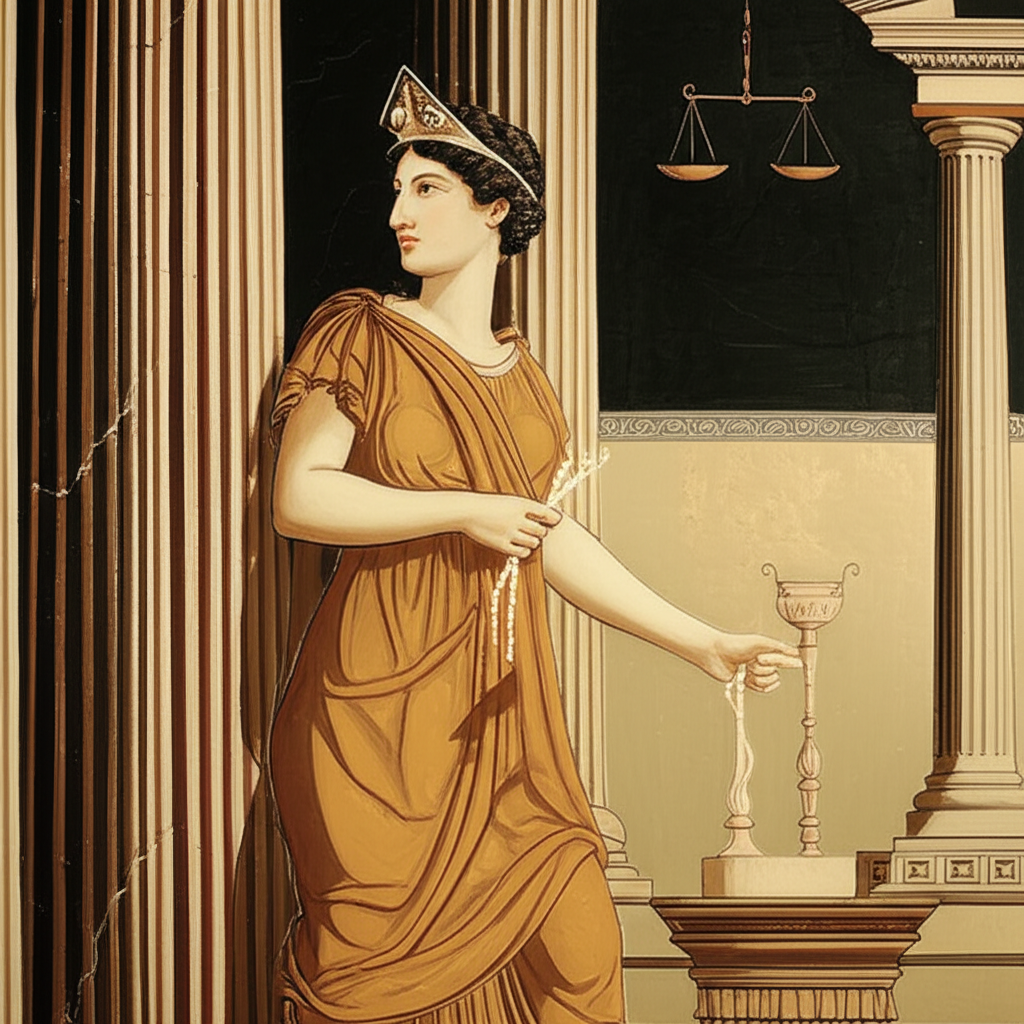
This table illustrates that temperance is not about elimination but about appropriate measure. It requires practical wisdom (phronesis) to discern the mean in each unique situation.
The Enduring Relevance of Temperance in the Modern World
In our hyper-connected, consumer-driven society, the ethical duty of temperance is perhaps more critical than ever. We are bombarded with stimuli and temptations: endless digital content, readily available goods, instant communication. Without the internal governor of temperance, we risk becoming overwhelmed, distracted, and ultimately unfulfilled.
Temperance is the antidote to the relentless pursuit of "more," offering a path to contentment through "enough." It challenges us to reflect on our true needs versus our manufactured desires, to cultivate discernment, and to build resilience against the forces that seek to hijack our attention and our autonomy. It is, in essence, a call to reclaim our agency and live deliberately.
Conclusion: A Foundation for a Good Life
The ethical duty of temperance is not a relic of a bygone era but a timeless virtue essential for human flourishing. From Plato's harmonious soul to Aristotle's golden mean, the great philosophers have consistently pointed to the necessity of rational self-governance. By moderating our desires and passions, we not only avoid the pitfalls of vice but also cultivate the inner strength and clarity required to live a truly good and meaningful life, fulfilling our responsibilities to ourselves and to the wider human community. To neglect temperance is to risk being adrift, tossed about by every passing impulse; to embrace it is to steer our own course with purpose and wisdom.
Further Exploration (YouTube Suggestions):
-
📹 Related Video: ARISTOTLE ON: The Nicomachean Ethics
Video by: The School of Life
💡 Want different videos? Search YouTube for: "Aristotle Nicomachean Ethics Temperance"
-
📹 Related Video: PLATO ON: The Allegory of the Cave
Video by: The School of Life
💡 Want different videos? Search YouTube for: "Plato Republic Virtues of the Soul"