

The Ethical Imperative of Temperance: A Cornerstone of Human Flourishing
Summary: In an age often characterized by excess and immediate gratification, the ancient virtue of temperance emerges not merely as a quaint ideal, but as a profound ethical duty. This article explores temperance as a deliberate exercise of self-mastery, drawing from the wisdom of the Great Books of the Western World, arguing that it is indispensable for both individual well-being and a just society. Far from simple moderation, temperance is a rational command over desires, essential to avoiding vice and cultivating a life of purpose and true freedom.
Unveiling Temperance: Beyond Mere Abstinence
To speak of temperance is to invoke a concept often misunderstood, frequently conflated with asceticism or a joyless repudiation of pleasure. Yet, as the luminaries of Western thought have consistently illuminated, temperance is neither of these. It is, rather, a cardinal virtue, an indispensable element of a well-ordered soul and a foundational ethical duty that demands our serious consideration.
At its core, temperance is the rational control over our appetites and desires. It is the judicious application of reason to those impulses that, left unchecked, can lead us down paths of vice and self-destruction. This is not about denying pleasure outright, but about experiencing it rightly, in due measure, and for the proper ends.
The Philosophical Roots of Self-Control
The concept of temperance (Greek: sophrosyne, Latin: temperantia) is deeply embedded in the philosophical tradition. From the Socratic injunction "Know Thyself" to Aristotle's doctrine of the Golden Mean, the capacity for self-regulation has been hailed as a hallmark of human excellence. It is the internal governor that ensures our passions serve our reason, rather than enslaving it.
The Ethical Duty: Why Temperance is Not Optional
Why elevate temperance from a desirable trait to an ethical duty? The answer lies in its profound impact on human agency and the pursuit of the good life. Without temperance, our choices are dictated by transient urges, making us slaves to immediate gratification and external stimuli. This state of being is antithetical to true freedom and the realization of our highest potential.
The Perils of Intemperance: A Descent into Vice
Consider the antithesis: intemperance. This vice manifests as an inability to control one's desires, leading to excess in various forms—gluttony, lust, avarice, unbridled anger, or even the compulsive pursuit of superficial pleasures. The consequences are manifold:
- Individual Decay: Impaired judgment, physical ailments, mental anguish, and a fracturing of the soul's harmony.
- Social Disorder: Relationships strained, responsibilities neglected, and the common good undermined by self-serving indulgence.
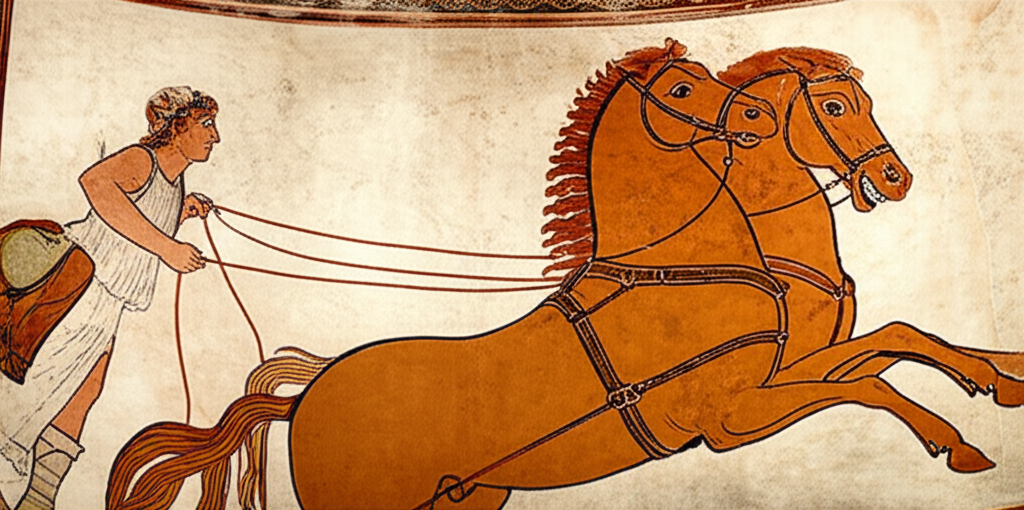
As Plato eloquently argued in The Republic, an intemperate soul is one where the lower appetites usurp the role of reason, leading to internal chaos and a predisposition to injustice. The charioteer (reason) must guide the spirited and appetitive horses; without temperance, the horses bolt.
Temperance as a Foundation for Other Virtues
Temperance acts as a crucial prerequisite for the development of other virtues. How can one be courageous if fear paralyzes them? How can one be just if their greed overpowers their sense of fairness? Temperance provides the inner stability necessary to act consistently with reason and moral principle. It frees the mind to contemplate, to create, and to contribute meaningfully to the world.
Voices from the Great Books: A Timeless Mandate
The Great Books of the Western World offer an enduring testament to the importance of temperance.
Plato's Harmony of the Soul
In Plato's philosophy, particularly in The Republic and Gorgias, sophrosyne (temperance/moderation) is integral to the well-ordered soul and the just state. It is the agreement between the naturally superior and inferior parts of the soul as to which should rule. When reason governs the appetites, the soul achieves internal harmony, leading to a virtuous and happy life.
Aristotle's Golden Mean
Aristotle, in his Nicomachean Ethics, presents temperance as a prime example of the "golden mean." It is the mean between the vice of insensibility (a deficiency of pleasure) and self-indulgence (an excess of pleasure). For Aristotle, the temperate person experiences pleasures and pains in the right way, at the right time, and to the right degree, guided by practical wisdom (phronesis).
| Vice (Excess) | Virtue (Mean) | Vice (Deficiency) |
|---|---|---|
| Self-indulgence | Temperance | Insensibility |
| Rashness | Courage | Cowardice |
| Extravagance | Generosity | Stinginess |
| Boastfulness | Truthfulness | Understatement |
Aquinas and the Cardinal Virtues
St. Thomas Aquinas, drawing heavily on Aristotle and Christian doctrine, affirmed temperance as one of the four cardinal virtues. For Aquinas, temperance moderates the desires for sensible pleasures, particularly those related to touch and taste, bringing them into conformity with reason. It is essential for maintaining a virtuous life and directing the individual towards their ultimate good.
Cultivating Temperance in a Modern World
While the ancients primarily discussed temperance in terms of food, drink, and carnal desires, its application in contemporary life is far broader. Today, temperance extends to:
- Digital Consumption: Temperance in screen time, social media engagement, and information overload.
- Emotional Regulation: Temperance in expressing anger, joy, or sorrow; avoiding emotional extremes.
- Materialism: Temperance in the pursuit of wealth and possessions.
- Work-Life Balance: Temperance in ambition and workload, preventing burnout.
The duty remains: to exercise rational control over our impulses and desires to live a fulfilling, ethical, and truly human life. It requires self-awareness, discipline, and a consistent effort to align our actions with our higher reason.
Steps Towards Cultivating Temperance:
- Self-Reflection: Regularly assess your desires and their potential impact.
- Mindfulness: Be present and aware of your impulses before acting on them.
- Delayed Gratification: Practice postponing immediate pleasure for greater long-term good.
- Setting Boundaries: Establish clear limits for yourself in areas prone to excess.
- Seeking Wisdom: Continuously engage with philosophical and ethical texts that promote self-mastery.
Conclusion: The Enduring Relevance of an Ethical Duty
The ethical duty of temperance is not a relic of a bygone era but a timeless imperative. It is the internal architecture that supports a life of virtue, guarding against the corrosive effects of vice. By embracing temperance, we not only secure our own well-being and freedom but also contribute to the moral fabric of our communities. It is a quiet revolution, fought within the confines of the self, yet its victory resonates outward, shaping a more rational, harmonious, and ultimately, a more human existence.
YouTube Video Suggestions:
-
📹 Related Video: PLATO ON: The Allegory of the Cave
Video by: The School of Life
💡 Want different videos? Search YouTube for: ""Plato's Republic Temperance Explained""
-
📹 Related Video: ARISTOTLE ON: The Nicomachean Ethics
Video by: The School of Life
💡 Want different videos? Search YouTube for: ""Aristotle Nicomachean Ethics Golden Mean Virtue""