

The Ethical Duty of Temperance: A Path to Flourishing
Summary
Temperance, often misunderstood as mere abstinence or moderate consumption, is in fact a profound ethical duty and a cornerstone virtue essential for individual and societal flourishing. Drawing deeply from the wisdom of the Great Books of the Western World, this article argues that temperance is not simply a personal preference but a moral imperative, enabling rational self-governance, preventing the excesses of vice, and fostering a harmonious life. It is the judicious control over our desires and appetites, allowing reason to guide our actions and ensuring we live a life of virtue.
In an age often characterized by instant gratification and the relentless pursuit of pleasure, the ancient virtue of temperance might seem quaint, perhaps even anachronistic. Yet, to dismiss it would be to overlook one of the most fundamental principles of human flourishing, a concept deeply explored by the towering intellects whose works comprise the Great Books of the Western World. Far from a mere suggestion for a healthier lifestyle, temperance presents itself as an undeniable ethical duty, a moral obligation we owe to ourselves and, by extension, to the polis.
Temperance: More Than Just Moderation
When we speak of temperance, we are not merely advocating for moderation in all things, nor are we calling for a life devoid of pleasure. Such a shallow interpretation misses the profound depth of the concept, known to the Greeks as sophrosyne and to the Romans as temperantia. As articulated by Aristotle in his Nicomachean Ethics, temperance is a virtue that lies at a mean between two extremes of vice: the deficiency of insensibility (austerity or joylessness) and the excess of intemperance (gluttony, lust, or other forms of self-indulgence).
- The Aristotelian Perspective: For Aristotle, a person of temperance is one who desires the right things, at the right time, in the right quantity, and for the right reasons. It is the intelligent regulation of our bodily appetites and pleasures, ensuring they serve our higher, rational nature rather than enslaving it.
- Plato's Harmony: Plato, in his Republic, posits temperance as one of the four cardinal virtues, describing it as a kind of harmony or agreement within the soul, where the rational part rules over the appetitive and spirited parts. Without this inner order, the soul is in conflict, making true justice and happiness impossible.
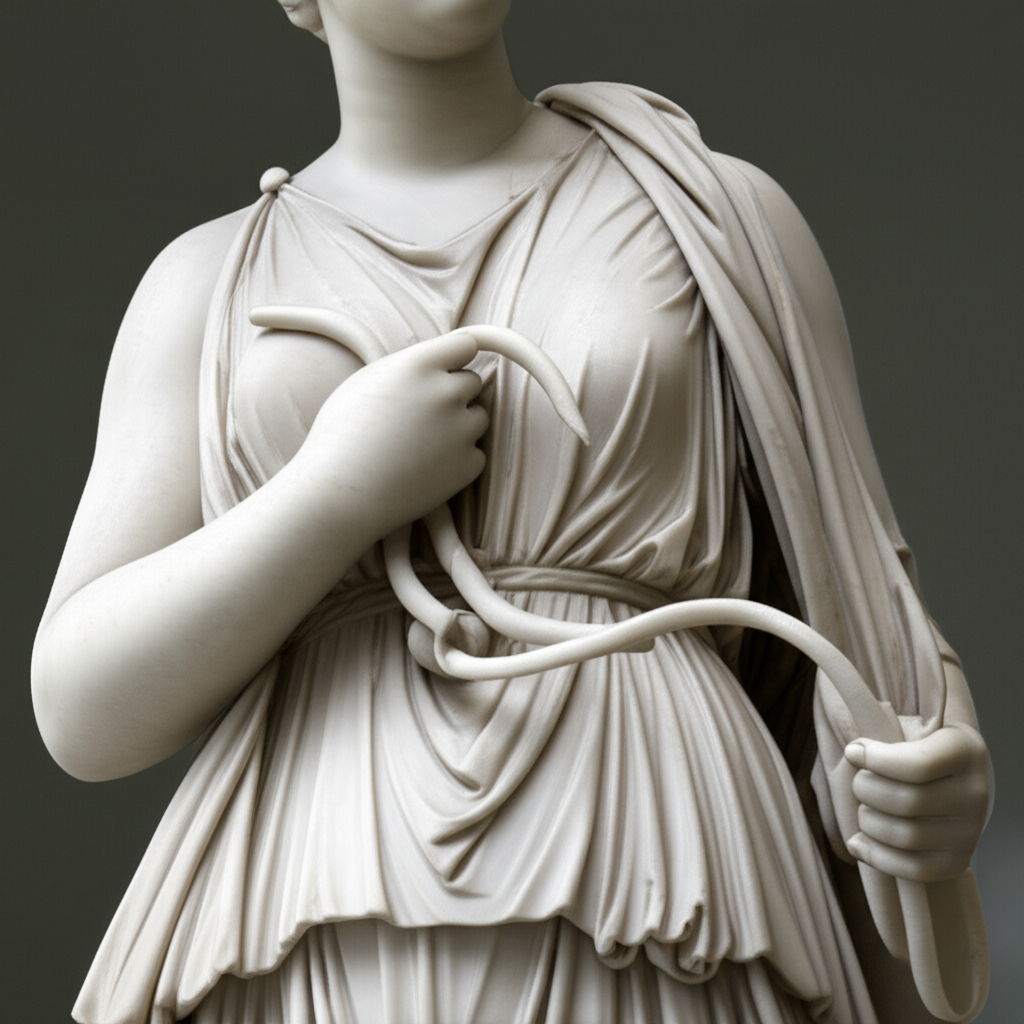
The Ethical Imperative: Why Temperance is a Duty
To understand temperance as an ethical duty requires us to look beyond personal preference. Our capacity for reason, our unique human ability to deliberate and choose, imbues us with a responsibility to cultivate our character. To succumb to uncontrolled desires is to abrogate this responsibility, to allow the animalistic part of our nature to dictate our actions, thereby diminishing our humanity.
Self-Governance and Rationality
The primary duty of temperance is to oneself: the duty to maintain one's rational faculties and self-governance. When appetites run wild, they cloud judgment, lead to poor decisions, and ultimately undermine our ability to live a fulfilling life. Think of the intellectual who cannot focus due to constant craving, or the leader whose judgment is compromised by personal indulgence. As Immanuel Kant might suggest, while temperance itself isn't a categorical imperative, the cultivation of virtues that enable us to act according to duty and reason is a moral obligation. It allows us to be truly free, not slaves to our impulses.
Impact on Others and Society
The ripples of intemperance extend far beyond the individual. A society populated by intemperate individuals is one prone to disorder, injustice, and decay. Consider the economic consequences of unchecked consumerism, the social breakdown caused by widespread addiction, or the political corruption fueled by insatiable greed. The ethical duty of temperance thus becomes a communal obligation, a prerequisite for a just and stable society. Aquinas, building on Aristotle, recognized temperance as a cardinal virtue necessary for the common good, integrating it into a broader theological and ethical framework where it serves a divine order.
Navigating the Vices: Excess and Deficiency
The path of temperance is not one of rigid asceticism, but a finely tuned balance, a middle ground between destructive extremes. To understand this balance, it's helpful to visualize the Aristotelian "Golden Mean":
| Virtue (The Mean) | Vice of Deficiency | Vice of Excess |
|---|---|---|
| Temperance | Insensibility (Apathy to pleasure) | Intemperance (Excessive indulgence) |
| Courage | Cowardice | Rashness |
| Generosity | Stinginess | Prodigality |
| Modesty | Shamelessness | Bashfulness |
This table illustrates that temperance is not simply avoiding excess, but also avoiding the vice of deficiency. A person who denies themselves all legitimate pleasures might be seen as austere, but they are not truly temperate; they are failing to engage with life in a balanced, human way.
Cultivating Temperance in a Modern World
How, then, do we fulfill this ethical duty in a world constantly tempting us towards excess?
- Self-Awareness: The journey begins with knowing oneself. What are your weaknesses? What desires tend to overwhelm your reason? Socrates' dictum, "Know Thyself," remains profoundly relevant.
- Mindfulness and Deliberation: Instead of reacting impulsively, pause. Deliberate on your desires. Ask yourself if this action aligns with your long-term goals and your rational self.
- Practice and Habituation: Virtues are not innate; they are cultivated through consistent practice. Start small, perhaps by consciously limiting a specific indulgence, and gradually build the habit of self-control. As Aristotle noted, we become just by doing just acts, and temperate by doing temperate acts.
- Seek Wisdom: Engage with the philosophical traditions that champion temperance. Reading Seneca, Epictetus, or Marcus Aurelius (from the Great Books) can provide profound insights and practical guidance.
Conclusion
The ethical duty of temperance is a timeless call to live a life governed by reason, not by appetite. It is a virtue that empowers us to be truly free, to achieve inner harmony, and to contribute positively to the wider community. In a world often adrift in excess and superficiality, embracing temperance is not a retreat from life, but an active, conscious choice to live more fully, more rationally, and more virtuously. It is the arduous but ultimately rewarding path towards genuine human flourishing, a path illuminated by the enduring wisdom of the Great Books.
YouTube Video Suggestions:
-
📹 Related Video: ARISTOTLE ON: The Nicomachean Ethics
Video by: The School of Life
💡 Want different videos? Search YouTube for: "Aristotle Nicomachean Ethics Temperance"
2. ## 📹 Related Video: PLATO ON: The Allegory of the Cave
Video by: The School of Life
💡 Want different videos? Search YouTube for: "Plato Republic Cardinal Virtues Sophrosyne"