

The Unbearable Weight: Navigating the Ethical Labyrinth of War and Peace
Summary: The concepts of war and peace aren't merely historical events or political states; they are profound ethical dilemmas that have haunted humanity's greatest thinkers for millennia. This article delves into how philosophy, drawing from the Great Books of the Western World, grapples with the morality of conflict, the duty to act, the definitions of good and evil in wartime, and the enduring quest for a just and lasting peace.
A Perpetual Conundrum: The Ethical Core of War and Peace
For as long as human societies have existed, so too have the twin specters of war and peace. These aren't just alternating states of political existence; they are deeply entangled philosophical puzzles, demanding rigorous ethical scrutiny. When is it permissible to take a life? What duty do we owe to our state, our fellow citizens, or even our enemies? How do we distinguish between good and evil when the stakes are so unimaginably high? These aren't easy questions, and as we plunge into the rich tapestry of philosophical thought, particularly from the Great Books of the Western World, we find a complex, often contradictory, but always urgent conversation about the ethics of conflict.
Echoes from Antiquity: Justice, Virtue, and the Ideal State
Our journey into the ethical dimension of war and peace begins with the foundational texts of classical antiquity. The Greek philosophers, grappling with the realities of their city-states, laid much of the groundwork.
- Plato, in his Republic, explores the ideal state and the necessity of guardians trained for defense. While not glorifying war, he acknowledges its potential role in maintaining justice and order within a well-structured society. The ethical imperative here often stems from the duty to protect the good of the polis.
- Aristotle, in his Politics and Nicomachean Ethics, considers the virtues necessary for both peace and war. He suggests that war, if it must occur, should be for the sake of peace and a better life. The ethics of warfare, for Aristotle, are tied to the broader telos (purpose) of human flourishing and the just state.
These early thinkers set the stage, framing conflict not as an isolated event, but as an integral, albeit often tragic, component of human political and moral life, always measured against the ideal of justice and the common good.
The Divine Mandate and the Just War Tradition
As Western thought evolved, particularly with the rise of Christianity, the ethical landscape shifted. The pacifist inclinations of early Christian teachings clashed with the realities of governance and defense, giving rise to one of the most enduring ethical frameworks: the Just War theory.
- St. Augustine of Hippo, wrestling with Rome's decline and the need for defense, was instrumental in formulating the initial principles. He argued that while war is inherently evil, it can be a lesser evil and even a duty if waged for a just cause, by legitimate authority, with right intention, and as a last resort. This was a profound attempt to reconcile faith with the practical demands of statecraft, defining the boundaries of good and evil in a new light.
- Later, Thomas Aquinas, building upon Augustinian thought and Aristotelian reason in his Summa Theologica, further refined the Just War doctrine, establishing criteria that continue to influence international law and ethical debates today.
The Just War tradition provides a structured approach to the ethics of war, distinguishing between Jus ad bellum (justice in going to war) and Jus in bello (justice in conducting war).
Key Criteria for Just War (Simplified):
| Jus ad Bellum (Right to Go to War) | Jus in Bello (Right Conduct in War) |
|---|---|
| Just Cause: Self-defense or preventing grave evil. | Proportionality: Force used must be proportionate to the harm suffered. |
| Legitimate Authority: Declared by a proper sovereign. | Discrimination: Distinguish between combatants and non-combatants. |
| Right Intention: Aim for peace, not conquest or revenge. | No Malum in Se: Avoid inherently evil acts (e.g., genocide). |
| Last Resort: All peaceful options exhausted. | Proportionality (in conduct): Avoid excessive harm to civilians. |
| Probability of Success: Reasonable chance of achieving a just outcome. |
Enlightenment's Gaze: Duty, Reason, and Perpetual Peace
The Enlightenment brought a new emphasis on reason, individual rights, and universal moral laws, profoundly impacting the discourse on war and peace.
- Immanuel Kant, in his seminal essay Perpetual Peace, presented a powerful argument for a world free from war, not as a utopian dream but as a moral imperative derived from reason and duty. For Kant, peace is not merely the absence of conflict but a positive state guaranteed by international law and republican constitutions. His categorical imperative, which demands we act only according to maxims that could become universal laws, challenges the very notion of war as a legitimate tool of policy. The duty to seek peace becomes a universal moral duty.
- Conversely, figures like Niccolò Machiavelli, whose The Prince is a stark manual for acquiring and maintaining power, offer a more cynical, realpolitik perspective. While not explicitly ethical in the traditional sense, Machiavelli's work forces us to confront the harsh realities of power and the often amoral calculations leaders make, challenging idealistic notions of good and evil in statecraft.
The Shifting Sands of Good and Evil: Moral Dilemmas in Conflict
The concepts of good and evil become profoundly complicated when discussing war. Is a soldier fulfilling their duty by following orders, even if those orders lead to morally questionable acts? Is the good of national security always paramount, even if it entails significant civilian suffering?
The line between good and evil blurs dramatically in conflict zones. Actions that would be unequivocally evil in peacetime – killing, destruction, deception – are often rationalized or even celebrated as necessary duties in war. Philosophy compels us to question these justifications:
- The Problem of Dirty Hands: Can a leader do evil (e.g., torture a terrorist to prevent a larger attack) for the greater good? This dilemma challenges the very foundations of deontological ethics (where certain acts are inherently wrong) and forces a confrontation with consequentialist arguments (where the morality of an action is judged by its outcome).
- The Soldier's Duty: What is the ethical duty of a soldier when confronted with an immoral order? This question pits the duty to obey against the individual's moral conscience, a tension explored in numerous literary and philosophical works.
Beyond the Battlefield: The Ethics of Sustaining Peace
The ethical dimension of war and peace doesn't end when the fighting stops. True peace, many philosophers argue, is not merely the absence of violence but the presence of justice, equity, and human flourishing.
- Positive Peace vs. Negative Peace: Negative peace is the cessation of hostilities. Positive peace, however, involves actively addressing the root causes of conflict – poverty, injustice, inequality – creating conditions where violence is less likely to re-emerge. This requires an ongoing ethical commitment to social justice and human rights.
- Reconciliation and Forgiveness: Post-conflict societies face immense ethical challenges in rebuilding, seeking accountability, and fostering reconciliation. Philosophers examine the duty of forgiveness, the pursuit of restorative justice, and the long, arduous path to healing.
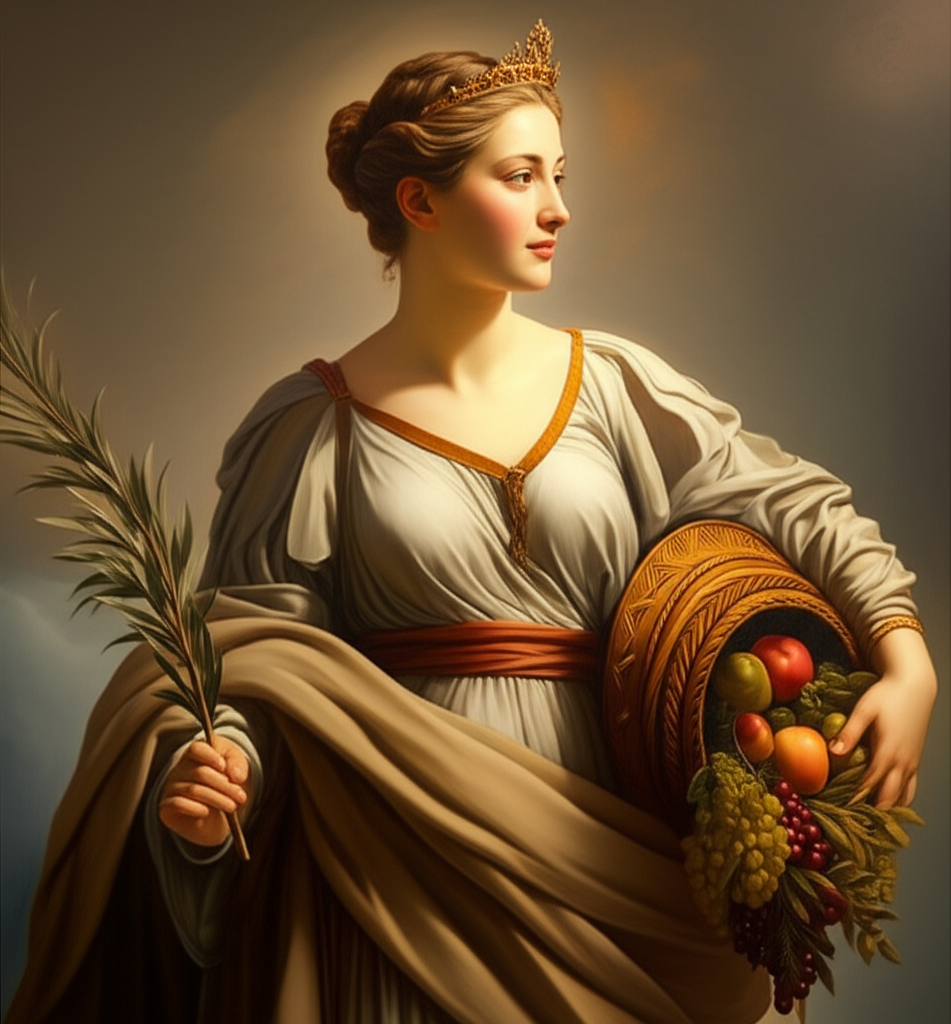 gently guiding or restraining a figure of "War" (a muscular, armored figure with a sword or spear, looking away in frustration or defeat). The background shows a transition from a scorched, chaotic landscape to a fertile, orderly one, symbolizing the transformation from conflict to tranquility.)
The Continuing Conversation: Our Enduring Ethical Duty
The ethical dimension of war and peace remains one of humanity's most pressing and unresolved philosophical challenges. From the ancient Greeks pondering justice to Enlightenment thinkers envisioning perpetual peace, and to contemporary philosophers grappling with drone warfare and humanitarian intervention, the questions persist. There are no easy answers, only the enduring duty to reflect, question, and strive for a world where the good of peace triumphs over the evil of conflict.
YouTube Suggestions:
-
📹 Related Video: What is Philosophy?
Video by: The School of Life
💡 Want different videos? Search YouTube for: ""Just War Theory Explained Philosophy""
2. ## 📹 Related Video: KANT ON: What is Enlightenment?
Video by: The School of Life
💡 Want different videos? Search YouTube for: ""Kant Perpetual Peace Summary""