

The Enduring Paradox: Navigating the Ethical Labyrinth of Immortality
The human quest for immortality has captivated minds for millennia, a recurring motif in myth, religion, and philosophy. From ancient epics to modern science fiction, the dream of transcending Life and Death remains potent. Yet, beneath the shimmering allure of eternal existence lies a complex web of ethical dilemmas that challenge our most fundamental understandings of purpose, duty, and the very nature of Good and Evil. This article delves into these profound questions, exploring how an endless lifespan would not merely extend our days but fundamentally reshape our moral landscape and societal structures.
The Seduction of Forever: A Double-Edged Blade
Imagine a world where the specter of death no longer looms, where ailments are cured, and aging is a relic of the past. The initial appeal is undeniable: endless time for learning, creation, and experience. No more goodbyes, no more unfulfilled dreams. Yet, this utopian vision quickly gives way to a series of unsettling questions. If death provides the ultimate deadline, the pressure that gives meaning to our choices and actions, what happens when that pressure is removed? Would the urgency of duty diminish? Would the finite nature of our lives, which often inspires acts of Good and Evil alike, lose its profound impact?
The Great Books of the Western World are replete with narratives that grapple with this very tension. From the Sumerian King Gilgamesh's desperate search for eternal life after the death of his friend Enkidu, to the biblical accounts of the Tree of Life, humanity has consistently wrestled with the desire to escape mortality. But these stories often carry a warning: the path to immortality is fraught with unforeseen consequences, often leading to isolation, profound weariness, or a loss of what it means to be human.
Redefining Duty and Purpose in an Infinite Horizon
One of the most immediate ethical challenges of immortality concerns our sense of duty. Our current moral frameworks are largely predicated on a finite existence. We have duties to our families, communities, and future generations, all understood within the context of limited time.
- To whom would an immortal owe a duty? If generations pass like fleeting shadows, how would commitments to family lines or national identities hold?
- What would be the purpose of work or contribution? Would the drive to innovate or build for the future persist if all futures are equally endless?
- Would personal growth cease? The struggle against time often refines character. Without it, would we stagnate, becoming infinitely experienced but ultimately unchanging?
Philosophers like Plato, in works such as Phaedo, contemplated the nature of the immortal soul, often linking it to reason and eternal truths. But even for Plato, the soul's immortality was distinct from the body's, and its purpose was tied to achieving wisdom and virtue within a cyclical existence, not merely an endless physical one. An immortal human would face the existential duty of constantly finding new meaning, a task that might prove more burdensome than any mortal undertaking.
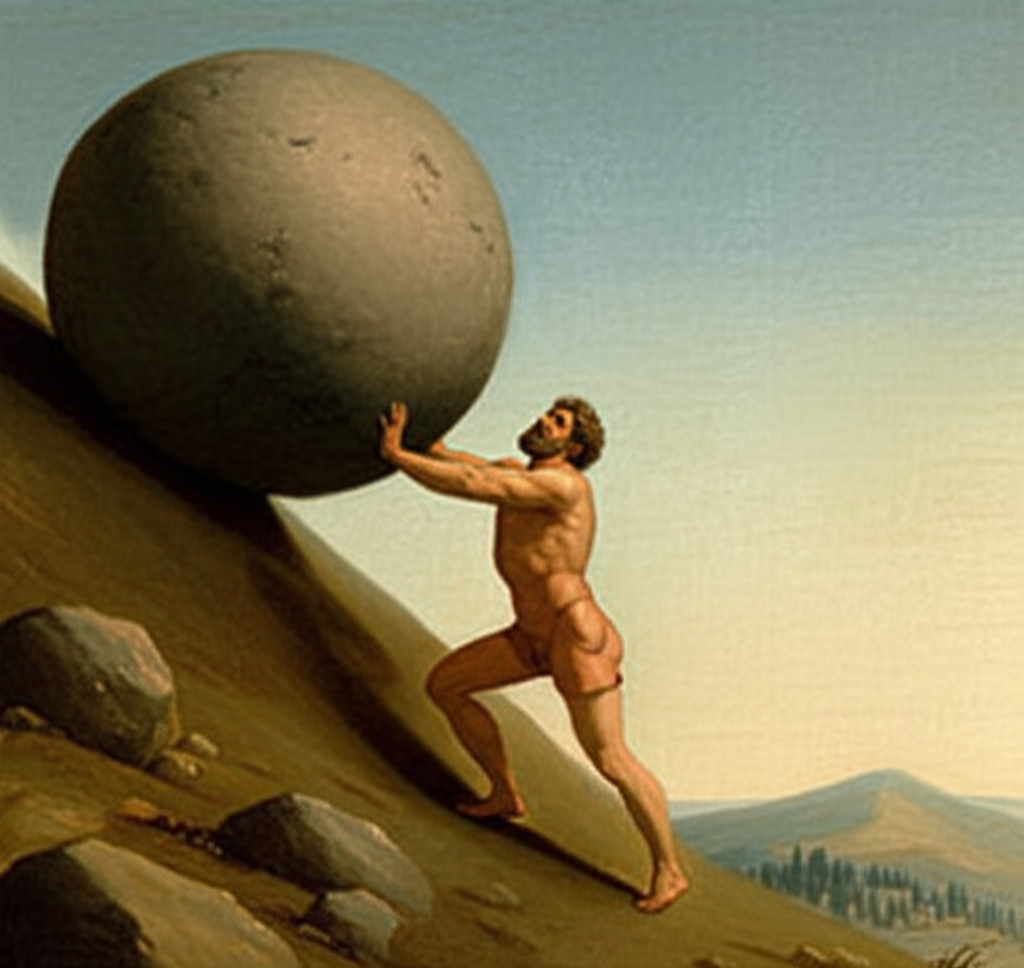
The Shifting Sands of Good and Evil
The concepts of Good and Evil are deeply intertwined with consequences and responsibility, which are often amplified by the limited time we have to rectify wrongs or savor virtues. In an immortal world, these concepts would undergo a radical transformation.
Consider the following dilemmas:
- Long-term Consequences: An immortal's actions would have infinitely lasting repercussions. A single act of evil could propagate through millennia, while a single act of good might be endlessly diluted or rendered insignificant by the sheer volume of time.
- Accumulation of Power: Those who attain immortality would accumulate unprecedented knowledge, wealth, and influence. How would this power be wielded? The potential for an immortal tyrant, or an immortal benevolent dictator, raises profound questions about governance and individual liberty.
- Moral Fatigue: Would an immortal, having witnessed countless cycles of human folly and triumph, become jaded? Would empathy wane over eons, leading to indifference towards suffering? Conversely, would an endless capacity for reflection lead to ultimate wisdom or ultimate despair?
The Stoic philosophers, notably Seneca and Marcus Aurelius, found profound meaning in accepting mortality, viewing it as a natural part of the cosmic order. Their ethics emphasized living virtuously within one's allotted time. Immortality would necessitate a complete re-evaluation of these tenets.
Societal Collapse or Evolutionary Leap?
The implications for society are staggering. A world of immortals would fundamentally alter demographics, resource allocation, and social mobility.
| Ethical Challenge | Potential Societal Impact |
|---|---|
| Population Growth | Overpopulation, resource scarcity, need for strict birth control or off-world colonization. |
| Social Stagnation | Lack of generational turnover could stifle innovation, entrench power structures, and prevent new ideas from flourishing. |
| Economic Inequality | Access to immortality technology would likely be uneven, creating an unbridgeable chasm between immortal elites and mortal masses. |
| Meaning of Human Connection | Relationships would endure for eons, but the intensity and preciousness of mortal bonds might be lost. New forms of alienation could emerge. |
| Justice System | How would punishment or rehabilitation work for an immortal? What constitutes "life imprisonment" in an infinite lifespan? |
The very definition of what it means to be human, to live a meaningful life, is inextricably linked to our finitude. Immortality forces us to confront whether our virtues, our aspirations, and our capacity for both Good and Evil are products of our limited time or inherent qualities that would transcend it. The ethical dilemmas are not merely academic; they are a profound reflection on the core values that give human existence its unique and often tragic beauty.
**## 📹 Related Video: What is Philosophy?
Video by: The School of Life
💡 Want different videos? Search YouTube for: ""The Philosophy of Immortality: What if we lived forever?""**
**## 📹 Related Video: ARISTOTLE ON: The Nicomachean Ethics
Video by: The School of Life
💡 Want different videos? Search YouTube for: ""Ethical Dilemmas of a Long Lifespan: Philosophical Perspectives""**