

The Ethical Dilemma of Slavery: An Affront to Man, Liberty, and Justice
Slavery, in all its forms, represents one of humanity's most profound and enduring ethical dilemmas, a stark contradiction to the very principles of justice, liberty, and the inherent dignity of Man. This article explores the philosophical arguments that expose slavery not merely as a social or economic system, but as an absolute moral wrong, fundamentally incompatible with any conception of a just society or the true nature of human existence, drawing insights from the foundational texts of Western thought.
The Enduring Stain: Slavery as a Philosophical Problem
From ancient Greece to the modern era, the institution of slavery has cast a long shadow across human history. While its manifestations have varied, the core ethical problem remains constant: the reduction of a human being to property. Philosophers, grappling with questions of governance, individual rights, and the good life, have continually returned to this issue, often struggling to reconcile the practice with their emerging ideals of Justice and Liberty. The Great Books of the Western World provide a rich tapestry of these debates, revealing both the historical justifications for bondage and the powerful, eventual condemnations that define our contemporary understanding of human dignity.
The Core Contradiction: Liberty vs. Bondage
At the heart of the ethical dilemma of slavery lies an irreconcilable conflict with the concept of Liberty. To be enslaved is to be stripped of one's fundamental freedom, the capacity for self-determination that many philosophers consider essential to human nature.
- Loss of Autonomy: An enslaved individual cannot choose their path, labor, or even their thoughts without the consent of another. This negation of free will undermines the very essence of personhood.
- Property vs. Person: Slavery transforms a Man from a subject with inherent rights into an object, a chattel to be bought, sold, and controlled. This redefinition is a radical denial of their humanity.
While figures like Aristotle, in his Politics, attempted to rationalize "natural slavery" by positing that some individuals are inherently suited for servitude due to a lack of rational capacity for self-governance, this argument has been largely and rightfully repudiated. The Enlightenment, particularly through thinkers like John Locke, championed the idea of natural rights, including the right to life, Liberty, and property, which inherently contradicted the legitimacy of slavery. For Locke, no Man could justly enslave another, as all are born free and equal.
Justice Denied: The Moral Outrage
The institution of slavery is a profound affront to Justice. It systematically deprives individuals of what is rightfully theirs and imposes an arbitrary hierarchy based on power rather than merit or universal law.
Key Violations of Justice:
- Denial of Equal Standing: Slavery posits an inherent inequality between individuals, contravening the principle that all human beings, by virtue of being human, possess equal moral worth.
- Unjust Gain: The labor of the enslaved is appropriated without fair compensation, creating wealth for the enslaver through brute exploitation. This is a clear violation of distributive justice.
- Absence of Legal Recourse: Enslaved individuals are often denied legal standing, unable to seek redress for wrongs committed against them, further cementing their status as non-persons in the eyes of the law.
- Hereditary Injustice: The perpetuation of slavery through generations, where children are born into bondage regardless of their own merits or actions, represents a profound and unearned injustice.
Emmanuel Kant's ethical framework, particularly his categorical imperative, offers a powerful condemnation. To treat a Man as merely a means to an end, rather than an end in himself, is to fundamentally violate his rational nature. Slavery, by its very definition, uses human beings as instruments for another's benefit, thus failing Kant's moral test.
The Dehumanization of Man
Perhaps the most insidious aspect of slavery is its systematic dehumanization. It seeks to strip the enslaved of their identity, their culture, their familial bonds, and ultimately, their very sense of being a Man.
- Reduction to Labor: The enslaved person's value is reduced solely to their physical capacity for work, ignoring their intellectual, emotional, and spiritual dimensions.
- Destruction of Agency: Through coercion, violence, and psychological manipulation, slavery aims to break the spirit, making independent thought and action dangerous or impossible.
- Moral Corruption: Slavery corrupts not only the enslaved but also the enslaver and the society that permits it. It distorts notions of Justice and Liberty, fostering cruelty, prejudice, and a profound ethical blindness.
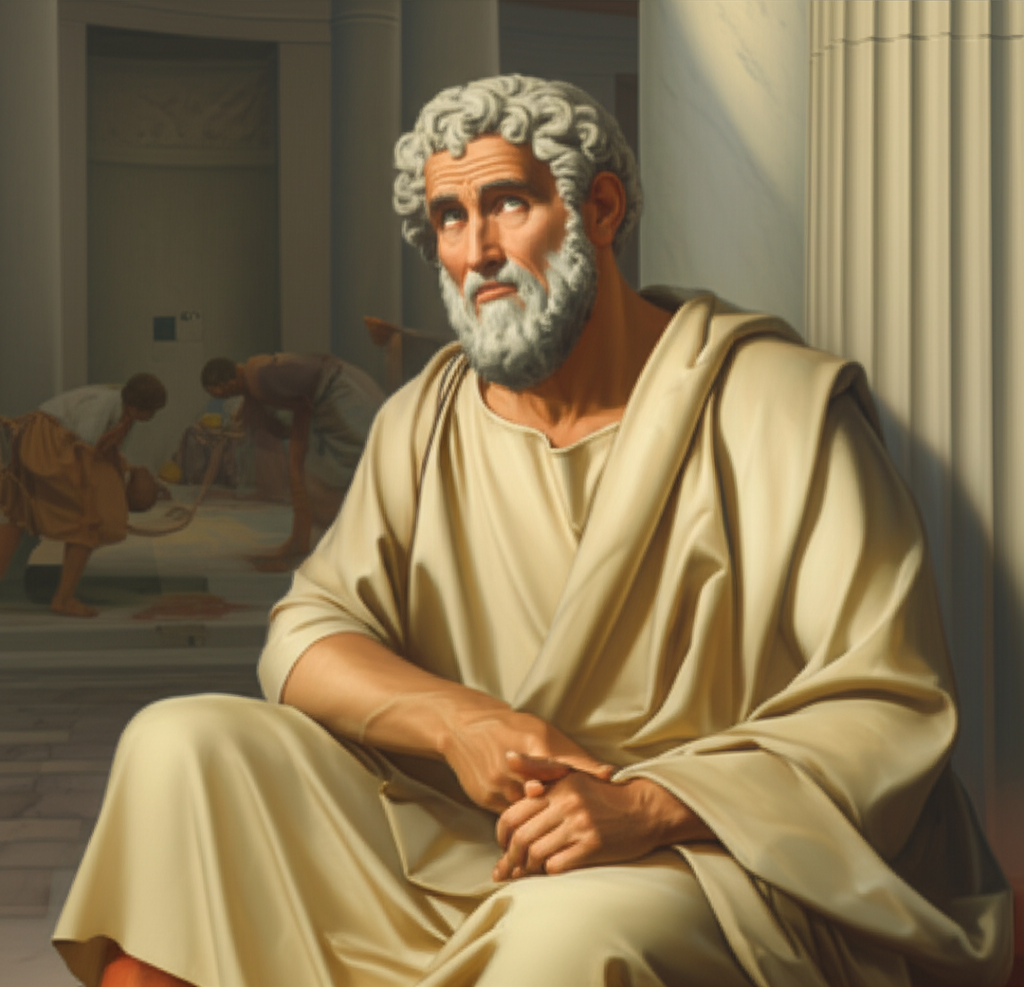
Philosophical Rejections from the Great Books
While some ancient texts grappled with, and at times justified, slavery, the trajectory of Western thought, particularly from the Enlightenment onwards, has been one of increasing and unequivocal condemnation.
- Locke's Natural Rights: His assertion that all men are born with inherent rights to life, Liberty, and property laid the groundwork for the abolitionist movements.
- Rousseau's Social Contract: Rousseau argued that no Man has natural authority over another, and the only legitimate power comes from a social contract formed by free individuals. Slavery is a direct violation of this foundational principle.
- Kant's Categorical Imperative: His imperative to treat humanity, whether in oneself or in others, always as an end and never merely as a means, provides a robust philosophical basis for rejecting the very premise of slavery.
These thinkers, among others, provided the intellectual ammunition to dismantle the ethical justifications for slavery, asserting that true Justice and Liberty cannot coexist with the ownership of another Man.
Conclusion: An Unyielding Ethical Imperative
The ethical dilemma of slavery is not merely a historical curiosity but a timeless philosophical challenge. It compels us to confront the very definition of Man, the meaning of Liberty, and the foundational principles of Justice. The enduring lesson from the Great Books and centuries of philosophical discourse is clear: the subjugation of one human being by another is an absolute moral wrong. It violates every principle of human dignity and autonomy, making it an institution that no truly just or free society can ever tolerate. The struggle against slavery, in its historical and modern guises, remains an unyielding ethical imperative, a constant call to uphold the inherent worth of every individual.
YouTube Video Suggestions:
-
📹 Related Video: What is Philosophy?
Video by: The School of Life
💡 Want different videos? Search YouTube for: ""John Locke natural rights philosophy slavery""
-
📹 Related Video: ARISTOTLE ON: The Nicomachean Ethics
Video by: The School of Life
💡 Want different videos? Search YouTube for: ""Kant categorical imperative slavery ethics""