

The Ethical Quandaries of Never-Ending Days: Unpacking Immortality's True Cost
Summary: The dream of immortality, a timeless human aspiration, presents a profound ethical quandary. While escaping the inevitability of death seems a liberation, an eternal existence would fundamentally reshape our understanding of life, meaning, justice, and the very fabric of society. This article delves into the intricate ethical dilemmas, exploring how an unending lifespan would challenge our personal identities, societal structures, and the philosophical underpinnings of what it means to live a "good" life.
The Allure and the Abyss: Why We Dream of Forever
From ancient myths of gods and goddesses to modern scientific pursuits, the quest for immortality has captivated humanity. The thought of forever – more time to learn, to love, to experience, to escape the pain of loss – is undeniably seductive. Yet, as with many grand desires, the reality of its attainment might be far more complex and terrifying than the dream. If we truly conquered death, what would become of life as we know it? This isn't just a biological question; it's an ethical maelstrom waiting to happen, touching upon the deepest questions about our soul and purpose.
The Personal Burden of Endless Time
Imagine living not for decades, but for centuries, millennia, or even beyond. What would this mean for the individual?
- The Weight of Memory and Loss: An immortal being would accumulate an unimaginable volume of memories, both joyous and tragic. The pain of losing loved ones, friends, and entire generations would become a constant companion, compounding over infinite time. Would the soul eventually buckle under such a burden, or would it become desensitized, losing its capacity for empathy and connection?
- Erosion of Urgency and Meaning: Much of human motivation stems from our finite existence. Goals are pursued, relationships cherished, and experiences sought because our time is limited. Without the looming shadow of death, would ambition wane? Would the urgency that imbues life with meaning dissipate, leading to an eternal ennui? Philosophers from Aristotle to the existentialists have pondered the "good life" often in the context of a finite human journey. How would their wisdom apply to unending days?
- Identity and Stagnation: Our identities evolve through experiences, growth, and change. If one lives forever, how does identity remain coherent? Does one become a static entity, or does the constant flux of an infinite existence lead to a fragmentation of self? The very concept of personal growth, often tied to overcoming challenges and learning from mistakes, might lose its impetus.
Societal Upheaval: The Immortal Elite and a World Transformed
The ethical implications of immortality extend far beyond the individual, threatening to unravel the societal structures we've painstakingly built.
- Resource Scarcity and Overpopulation: A world without natural death would quickly face catastrophic overpopulation and resource depletion. Who decides who gets to live forever, and who doesn't? This leads to the most pressing ethical dilemma:
- The Ultimate Inequality: Access to immortality would undoubtedly become the most coveted and divisive technology in history. It would create an unprecedented chasm between the "immortals" and the "mortals," leading to a new form of class warfare. The immortal elite might see mortals as disposable, their lives insignificant in comparison to their own endless journey.
- Stagnation of Progress and Innovation: While some argue that immortals could contribute endlessly to knowledge, the absence of generational change might stifle innovation. New ideas, perspectives, and challenges often arise from younger generations pushing against established norms. A society dominated by beings who have "seen it all" for millennia might become resistant to change, leading to cultural and intellectual stagnation.
- The Redefinition of Justice and Law: Our legal and ethical systems are designed for finite lives. How would punishment work for an immortal? What constitutes "justice" when the concept of an end-point is removed? Would crimes committed centuries ago still hold the same weight?
Reimagining Ethics in an Immortal Age
The very foundations of our ethical frameworks are rooted in the cycle of life and death. Concepts like legacy, sacrifice, and the value of human life are often understood in the context of finitude.
| Ethical Concept | Implication for Mortals | Implication for Immortals |
|---|---|---|
| Meaning of Life | Often found in purpose, contribution, legacy, overcoming challenges. | Could become elusive, leading to existential boredom or nihilism. |
| Value of Life | Each life is precious due to its finite nature. | Risk of devaluation if lives are infinite and abundant; potential for extreme stratification. |
| Justice | Punishments and rewards are structured around a finite lifespan. | Redefinition needed; what is "eternal punishment" or "eternal reward"? |
| Empathy/Compassion | Rooted in shared human experience of vulnerability and loss. | Could diminish for mortals; new forms of connection might emerge among immortals. |
| Procreation | Essential for species survival and continuation. | Would require drastic re-evaluation or cessation to manage resources. |
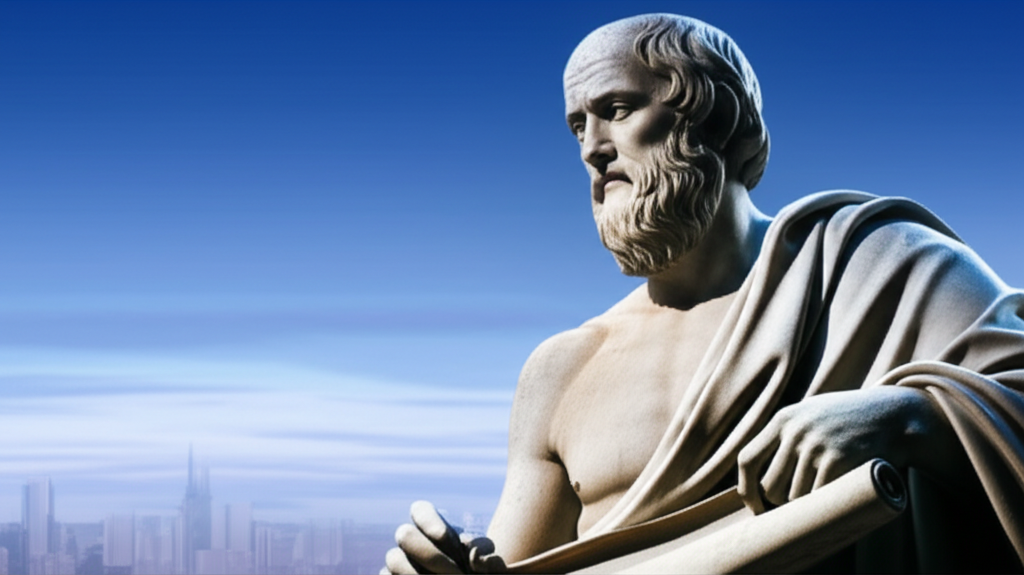
The great works of philosophy, from Plato's ideas on the soul and the Forms to Augustine's reflections on time and divine purpose, largely operate within the paradigm of human mortality. An immortal existence would force a radical re-evaluation of these profound insights, challenging us to forge new ethical compasses for uncharted existential waters. Perhaps true wisdom lies not in escaping finitude, but in embracing it, finding profound meaning in the precious, limited time we are given.
YouTube: "Philosophical implications of immortality"
YouTube: "Ethics of eternal life"
📹 Related Video: What is Philosophy?
Video by: The School of Life
💡 Want different videos? Search YouTube for: "The Ethical Dilemma of Immortality philosophy"