

The doG Allusion
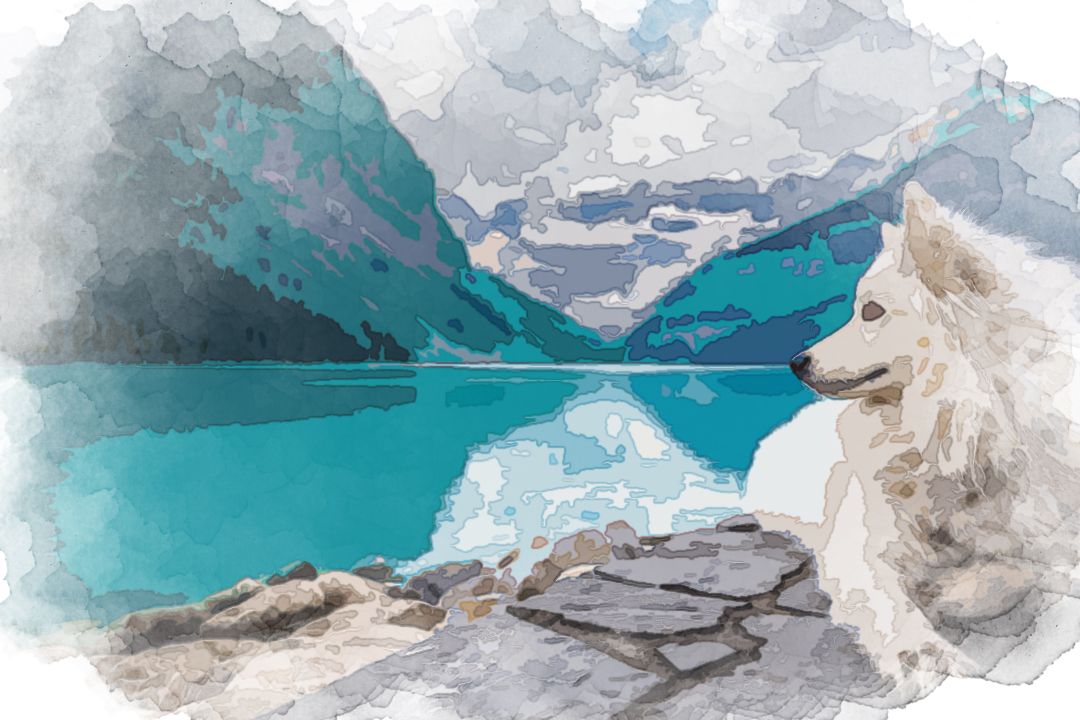
What are they thinking?
(The scene opens with George sitting on the bench, her hand gently stroking the back of a large, calm tabby cat that is purring contentedly in her lap. Sophia approaches and sits quietly at the other end of the bench.)
Sophia: There is a profound tranquility in this companionship, George. A quiet harmony that the world beyond this garden often lacks.
George: (Smiling softly, without looking up from the cat) It is a rare and precious thing. Here, with this creature, there is no performance required. I am not asked to explain my moods or defend my choices. My simple presence is enough. There is a great freedom in a friendship that does not seek to dissect you.
Sophia: You find comfort in the unspoken nature of your bond. It is a relief from the constant hum of human assessment.
George: Exactly. Humans, even with the best intentions, are a labyrinth of inquiry and opinion. But with him... there is just acceptance. It is a friendship of pure being, unburdened by the weight of judgment.
Sophia: I understand the peace you draw from that. It leads me to a question, however. As you sit here, feeling so completely accepted, I wonder: What is he thinking?
George: (Pauses, considering the cat) I have always supposed the gift was that he isn't thinking in our complex, analytical way. His thoughts are of sunbeams and slumber and the rhythm of my hand. His mind is not cluttered with criticism.
Sophia: Is a lack of criticism the same as a lack of thought? Or is it simply a different language of thought? Observe him. His ears twitch at the sound of a distant bird, his tail gives a slow, deliberate flick. He leans into your touch, a conscious choice. These are not empty gestures. They are expressions.
Animals are such agreeable friends - they ask no questions, they pass no criticisms.
— George Eliot (1818-1890)
George: Expressions of what, though? Contentment? Instinct?
Sophia: Perhaps they are expressions of a verdict, a criticism of the most honest kind. If you were rough, he would leave. If you were a source of distress, he would retreat. His continued presence is, in itself, his judgment. And his verdict is that you are a source of comfort and safety. It is not an absence of opinion, but an opinion rendered in the purest form: action.
(George looks down at the cat, a new light of understanding in her eyes. She watches the gentle rise and fall of its chest.)
George: So the agreeableness I cherish so much is not a passive state. It is an active, ongoing approval.
Sophia: Precisely. And this leads to the more telling question. It may not be, "What is the animal thinking?" but rather, "What does our deep need for their specific kind of companionship reveal about what we are thinking?" You seek a friendship that doesn't probe or pass sentence. Does that not speak to the immense weight of the sentences we pass on each other, and most heavily, upon ourselves?
George: (Nodding slowly) He is a mirror, then. I thought I was finding solace in his simplicity, but perhaps I am truly finding a reflection of the unconditional acceptance I struggle to find elsewhere. I come to him not to escape thought, but to escape a certain kind of painful, human thought.
Sophia: And in his silent, purring judgment, he offers you a path back to a simpler way of being. He doesn't ask you questions, no. Instead, he invites you to sit and simply be, reminding you that your quiet existence is, in and of itself, enough.

The planksip Writers' Cooperative is proud to sponsor an exciting article rewriting competition where you can win part of over $750,000 in available prize money.
Figures of Speech Collection Personified
Our editorial instructions for your contest submission are simple: incorporate the quotes and imagery from the above article into your submission.
What emerges is entirely up to you!
Winners receive $500 per winning entry multiplied by the article's featured quotes. Our largest prize is $8,000 for rewriting the following article;
 Heraclitus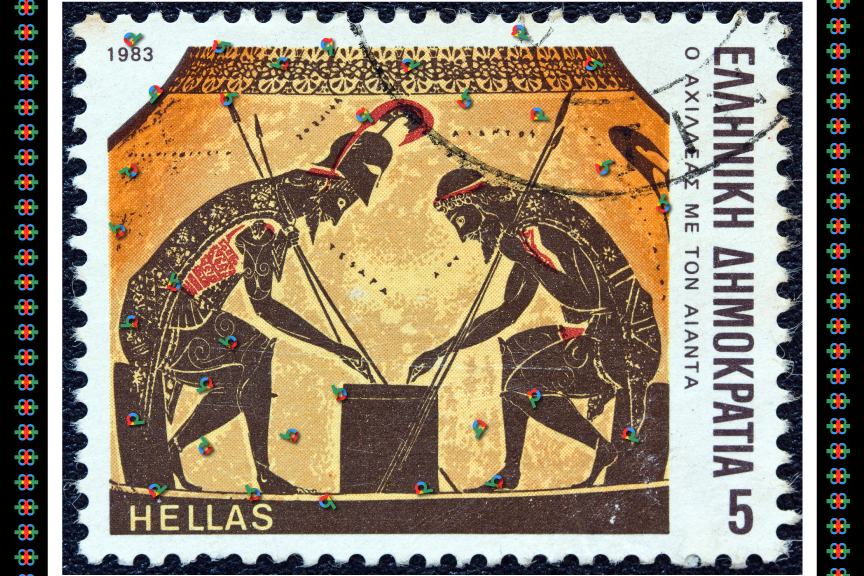
At planksip, we believe in changing the way people engage—at least, that's the Idea (ἰδέα). By becoming a member of our thought-provoking community, you'll have the chance to win incredible prizes and access our extensive network of media outlets, which will amplify your voice as a thought leader. Your membership truly matters!