

The Profound Distinction: Navigating Pleasure and Happiness
Often conflated in casual discourse, the concepts of pleasure and happiness represent fundamentally different states of human experience, a distinction that has occupied the minds of philosophers for millennia. While both are desirable, understanding their unique definition, characteristics, and sources is crucial for a meaningful life. This article aims to elucidate this critical philosophical divide, drawing upon the enduring wisdom found within the Great Books of the Western World, revealing why the pursuit of one over the other leads to vastly different paths of existence. Simply put, pleasure is often fleeting and sensory, a reaction to immediate gratification or the absence of pain, whereas happiness, particularly in its classical sense, denotes a deeper, more enduring state of flourishing and well-being.
Defining Our Terms: Pleasure and Pain
Let us first establish a clear definition of pleasure. In its most common understanding, pleasure is a sensation or emotion that arises from the gratification of a desire, the relief of pain, or the enjoyment of sensory stimuli. It is often immediate, intense, and transient. Consider the satisfaction of a delicious meal, the warmth of a comfortable bed, or the thrill of a momentary triumph. These are experiences of pleasure.
Philosophers like Epicurus, though often misunderstood as advocating for hedonism, recognized the importance of pleasure, particularly as the absence of pain and disturbance (ataraxia). For him, the highest pleasure was a state of tranquility, freedom from physical pain and mental distress. However, even this refined view of pleasure remains largely reactive; it is a response to the fulfillment of a need or the cessation of an undesirable state.
Characteristics of Pleasure:
- Immediate Gratification: Often arises quickly in response to a stimulus.
- Sensory or Emotional: Strongly tied to physical sensations or direct emotional responses.
- Transient: Generally short-lived; it comes and goes.
- Reactive: Often a response to fulfilling a desire or avoiding/relieving pain.
- External Dependency: Frequently relies on external factors or conditions.
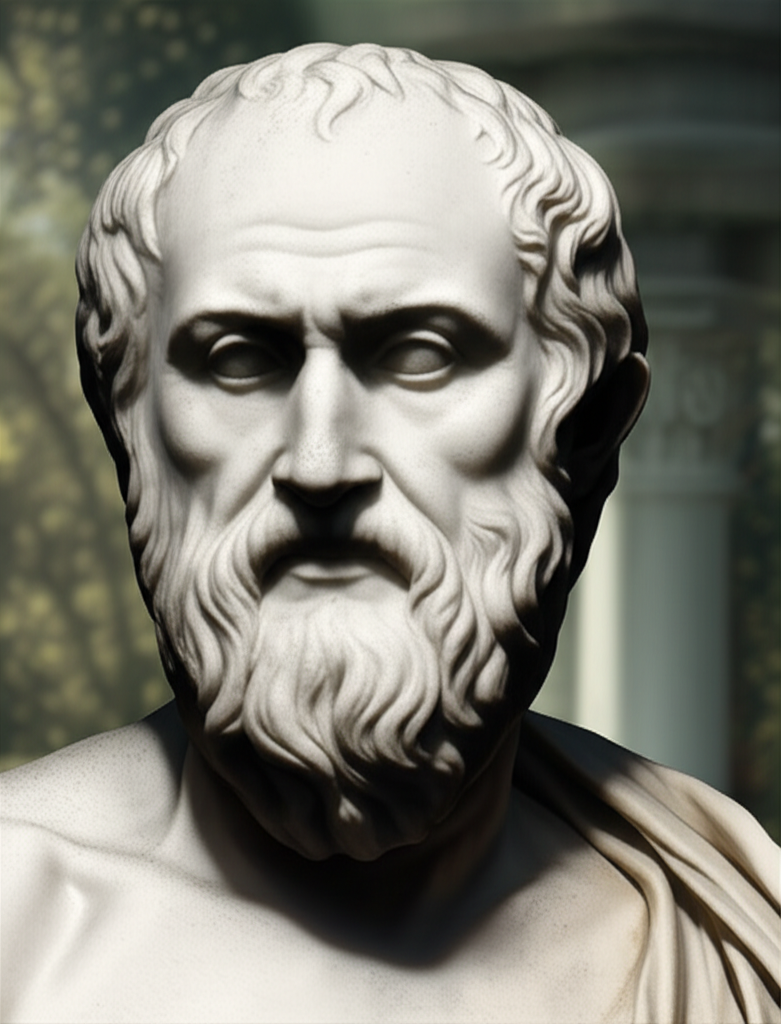
Defining Our Terms: Happiness (Eudaimonia)
In stark contrast to pleasure, happiness, as understood by many of the great thinkers, particularly Aristotle in his Nicomachean Ethics, is a far more profound and enduring state. The Greek term eudaimonia, often translated as happiness or flourishing, does not refer to a mere feeling or a collection of pleasant moments. Instead, it describes a state of living well and doing well, an active engagement with life that aligns with virtue and reason.
For Aristotle, happiness is the ultimate human good, the telos or end goal of human existence. It is not something that happens to us, but rather something we achieve through a life of virtuous activity, rational thought, and moral excellence. This pursuit of eudaimonia involves character development, making sound ethical choices, and contributing meaningfully to one's community. It is a sustained condition, a way of being, rather than a fleeting sensation. One can experience pain or discomfort on the path to happiness, but these do not negate the underlying state of flourishing.
Characteristics of Happiness (Eudaimonia):
- Enduring State: A long-term condition of well-being, not a fleeting emotion.
- Internal Source: Primarily derived from one's character, virtues, and life choices.
- Active Pursuit: Requires deliberate effort, rational thought, and virtuous action.
- Holistic: Encompasses intellectual, moral, and social aspects of life.
- Meaningful: Rooted in purpose, values, and a sense of fulfillment.
- Resilient: Can coexist with temporary pain, setbacks, or challenges.
The Crucial Distinction: Pleasure vs. Happiness
The distinction between pleasure and happiness is not merely semantic; it has profound implications for how we live our lives and what we prioritize. To mistake one for the other is to risk building a life focused on transient gratification rather than enduring fulfillment.
Let us summarize these key differences:
| Feature | Pleasure | Happiness (Eudaimonia) |
|---|---|---|
| Nature | A feeling, sensation, or emotional response | A state of being, flourishing, living well |
| Duration | Transient, momentary, short-lived | Enduring, sustained, long-term |
| Source | Often external (sensory input, desire fulfillment) | Primarily internal (virtue, reason, character) |
| Relationship to Pain | Seeks to avoid or alleviate pain | Can coexist with pain and adversity, finding meaning |
| Effort Required | Often passive, reactive, or minimal effort | Requires active effort, cultivation, and development |
| Goal | Immediate gratification, relief | Ultimate human good, self-realization, flourishing |
The Stoic philosophers, for instance, emphasized the pursuit of ataraxia (tranquility) and apatheia (freedom from disturbance) not through the accumulation of pleasures, but through the cultivation of virtue and indifference to external circumstances. Their wisdom, found in the works of Seneca or Marcus Aurelius, reinforces the idea that true well-being transcends the ebb and flow of pleasurable sensations. One can be in physical pain yet still maintain an inner state of peace and rational acceptance, which aligns more closely with happiness than with the mere absence of pain.
Why This Distinction Matters
Understanding this distinction is not an academic exercise but a practical imperative. A life solely dedicated to the pursuit of pleasure often leads to a perpetual cycle of seeking the next thrill, the next gratification, ultimately proving unfulfilling. Such a path can be characterized by a dependency on external circumstances and a vulnerability to their inevitable changes.
Conversely, a life oriented towards happiness – the eudaimonia of the ancients – involves a commitment to virtue, reason, and meaningful engagement with the world. It is a path of self-mastery, resilience, and deep satisfaction that arises from living in accordance with one's highest potential. This pursuit fosters inner strength, enabling individuals to navigate life's inevitable challenges with grace and purpose, finding fulfillment even amidst hardship. The definition of a good life, therefore, rests upon this fundamental philosophical insight.
YouTube: "Aristotle Eudaimonia Explained"
YouTube: "The Philosophy of Pleasure vs Happiness"
📹 Related Video: What is Philosophy?
Video by: The School of Life
💡 Want different videos? Search YouTube for: "The Distinction Between Pleasure and Happiness philosophy"