

The Profound Distinction Between Pleasure and Happiness: A Philosophical Inquiry
The human quest for the good life is as ancient as philosophy itself. Yet, a fundamental confusion persists in our modern discourse: the conflation of pleasure with happiness. This article aims to clarify this crucial distinction, drawing upon the enduring wisdom enshrined in the Great Books of the Western World. We will explore the definition of each, understanding that while pleasure is often fleeting and tied to immediate gratification, true happiness, or eudaimonia, represents a deeper, more enduring state of flourishing attained through virtue and reason, fundamentally setting them apart.
Unpacking the Distinction: More Than Mere Semantics
To speak of pleasure and happiness interchangeably is to misunderstand the very architecture of a well-lived life. While both are desirable states, their nature, duration, and means of attainment differ profoundly. One is a sensation, often an end in itself; the other is a comprehensive state of being, a journey rather than a destination. This distinction is not merely academic; it shapes our choices, our values, and ultimately, our lives.
The Nature of Pleasure and Pain: Immediate Sensations
Pleasure can be defined as a sensation, an immediate experience of gratification or delight often associated with the satisfaction of a desire or the absence of pain. It is inherently subjective and often physical. Eating a delicious meal, listening to beautiful music, or resting after strenuous labor are all sources of pleasure. Conversely, pain is its antithesis – an unpleasant sensory and emotional experience, a signal of distress or harm.
Philosophers throughout history have grappled with pleasure. Epicurus, for instance, advocated for a life free from pain and mental disturbance, suggesting that the highest good was a state of tranquil pleasure (ataraxia). However, even he recognized that not all pleasures are equal, and some lead to greater pain in the long run. The Great Books remind us that while pleasure is a natural part of human experience, its pursuit as the sole aim of life can be fraught with peril. It is often transient, dependent on external circumstances, and can, if unchecked, lead to addiction or moral decay.
The Definition of Happiness: A Flourishing Life
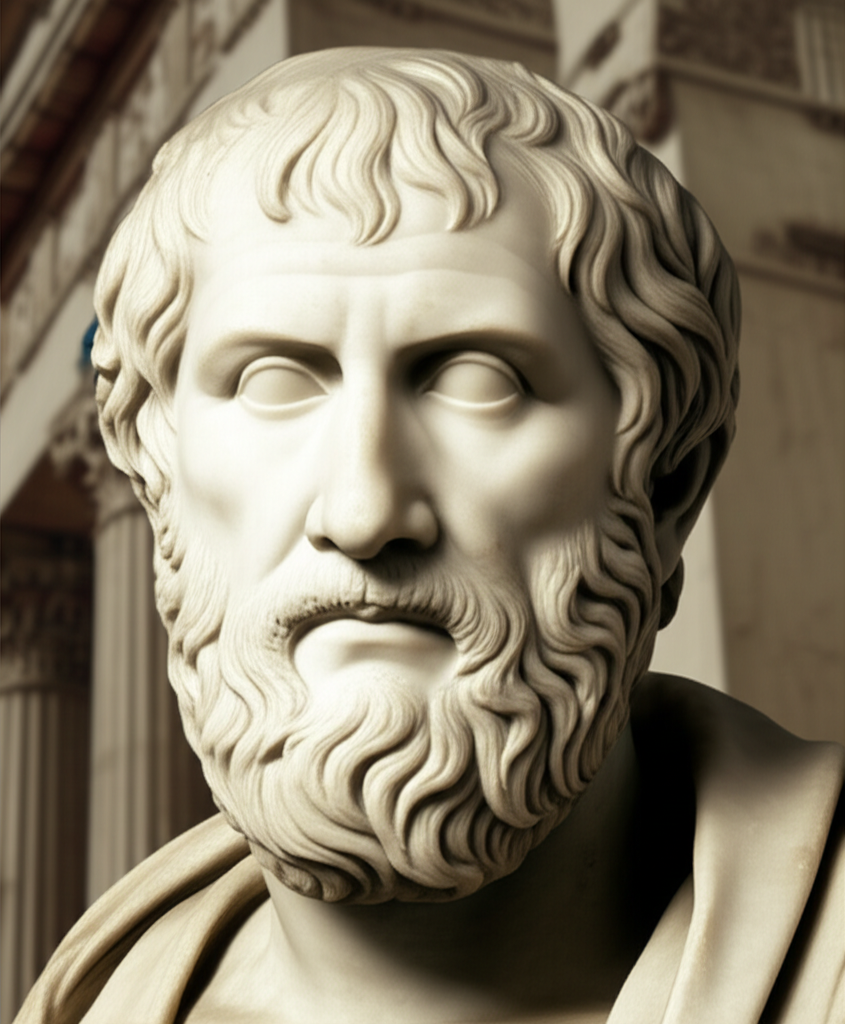
Happiness, in the philosophical sense, is a much more complex and profound concept than pleasure. For the ancient Greeks, particularly Aristotle, happiness (eudaimonia) was not a fleeting emotion but a state of human flourishing, living well, and doing well. It is an activity of the soul in accordance with virtue over a complete life.
Consider Aristotle's Nicomachean Ethics, a cornerstone of the Great Books. He argues that true happiness is the ultimate end of human action, something chosen for its own sake, not as a means to something else. It is achieved through the cultivation of virtues – moral excellences like courage, justice, temperance, and intellectual excellences like wisdom and understanding. This kind of happiness is stable, self-sufficient, and requires rational activity and contemplation. It is not something that can be given or taken away by external fortune, though fortune can certainly make its attainment easier or harder.
The Crucial Distinction: A Comparative Analysis
To underscore the chasm between these two concepts, let us examine their fundamental differences:
| Feature | Pleasure | Happiness (Eudaimonia) |
|---|---|---|
| Nature | Sensation, feeling, immediate experience | State of being, flourishing, overall well-being |
| Duration | Often fleeting, transient | Enduring, stable, over a complete life |
| Source | External stimuli, satisfaction of desire | Internal virtue, rational activity, moral action |
| Dependence | Highly dependent on external factors | Largely self-sufficient, internal |
| Moral Value | Morally neutral (can be good or bad) | Inherently good, tied to virtue and excellence |
| Goal | An end in itself | The ultimate end of human life, the highest good |
This table clearly illustrates why confusing the two leads to a misdirection of human effort. Chasing pleasure often leads to an endless cycle of desire and temporary satisfaction, while pursuing happiness involves a deeper commitment to personal growth and moral excellence.
The Path to True Happiness: Reason and Virtue
The distinction highlights that genuine happiness is not found in hedonistic pursuits but in a life guided by reason and virtue. Plato, in works like The Republic, also points towards a harmonious soul, where reason governs the appetites and spirit, as the source of true contentment. A person who acts virtuously, who uses their rational faculties to make sound judgments and live in accordance with their highest potential, is the one who achieves eudaimonia.
This requires effort, self-discipline, and a commitment to continuous self-improvement. It is the architect's satisfaction in a well-built structure, the philosopher's joy in profound understanding, the citizen's contentment in a just society – all derived from purposeful, virtuous activity.
Conclusion: Embracing the Deeper Pursuit
Understanding the distinction between pleasure and pain and happiness is not merely an academic exercise; it is a vital philosophical compass for navigating the complexities of human existence. By recognizing that pleasure is a component of a good life, but not its sum total, we can redirect our energies from the ephemeral to the enduring. The definition of true happiness, as elucidated by the great thinkers of the Western tradition, calls us to a life of virtue, reason, and purpose – a life that truly flourishes.
📹 Related Video: ARISTOTLE ON: The Nicomachean Ethics
Video by: The School of Life
💡 Want different videos? Search YouTube for: "Aristotle Eudaimonia explained"
📹 Related Video: PLATO ON: The Allegory of the Cave
Video by: The School of Life
💡 Want different videos? Search YouTube for: "Plato on Pleasure and the Good Life"